

THE THAYNE REPORTS: THE ADMIRAL'S EDITION
Moderators: wdolson, MOD_War-in-the-Pacific-Admirals-Edition

RE: THE THAYNE REPORTS: Dec. 20, 1941
There are rumors at Pearl that Admiral Kimmel's days are numbered.
THE THAYNE REPORTS: Dec. 21, 1941
THE THAYNE REPORTS: THE ADMIRALS' EDITION
DECEMBER 21, 1941
The Thayne Reports are published by allied intelligence and distributed to senior officers serving in the Pacific Theater of Operation in order to give these officers an understanding of the overall military situation. These top secret reports contain the best and most up-to-date information available at the time of their writing. Revealing any of the contents of these reports will be punished as treason.
Cruiser Helena Destroyed in Harbor Accident
(Pearl Harbor - Hawaii) The Light Cruiser Helena became the lastest fatality in the Japanese attack on Pearl Harbor when it blew up during repairs yesterday evening.
Twenty-three people died and 12 were injured as a result of the explosion.
When the explosion occurred, the entire base instantly went on alert. Destroyers began combing the harbor for signs of a Japanese midget submarine like the one found beached near Iroquis Point on the enterance to the harbor yesterday afternoon.
The 15th and 18th Pursuit Groups also went on alert, launching their combat air patrol, while the bombers of the 5th Bomber Group prepared to meet any renewed Japanese attack.
Officials later decided that an unexploded bomb dropped during the attack two weeks ago detonated under the ship. Another suggestion is that crew members who were removing ammunition from rooms that repair crews had recently gained access to had a fatal accident.
The loss came as a particularly hard blow to a people who had too little time to bury too many friends and family killed when the Japanese attacked less than two weeks ago.
The loss of Helena brings to 59 the number of ships that the Allies have lost since the war began. In addition to the battleships Oklahoma and Arizona, and the cruisers New Orleans and now Helena, the allies have lost 11 destroyers - 7 of which were specially outfitted for laying or sweeping mine fields, 20 cargo ships, and 24 smaller craft.
Allied intelligence has recorded the sinking of 20 Japanese ships, including 1 light cruiser and 8 cargo ships. The remaining Japanese casualties were support ships that American bombers had destroyed while attacking Japanese occupied ports.
Garrisons Ordered to Canton Island, New Hebredes in S. Pacific
(Pearl Harbor - Hawaii) Fifteen thousand American soldiers in San Diego yesterday were told that they are to report to their barracks and be prepared to ship out on December 24th.
The soldiers were not told where they are going. However, Thayne Reports has been told that the soldiers will occupy Canton Island and an island called Tanna in the New Hebredes chain. The New Hebredes chain is a string of islands west of Fiji and east of New Caledonia.
Faced with making a choice between occupying one of these key locations or the other with available forces, Admiral Kimmel lobbied for and received permission to add elements of the 2nd Marine Division to the troops he had avaialble for these missions.
With the extra troops avaialable, Kimmel signed orders for the 161st Infantry Regiment to occupy Canton Island, backed up by the 198th Artillery Battalion.
At the same time, the 2nd Marine Regiment and 2nd USMC Parachute Battalion, supported by the 56th Coastal Artillery Regiment and 95th Coastal Anti-Aircraft Regiment have been ordered to the island of Tanna.
The Marines have been told to prepare their mission under the assumption that the enemy holds Tanna and that they will be landing under hostile fire. If it turns out that Tanna has not been occupied, the maneuver will still count as good training for an actual invasion of an enemy held stronghold when the time comes.
Allies Obtain Revenge in Air War
(Washington DC) Allied intelligence is reporting that the allied air forces have obtained measure of revenge for the Japanese attack on Pearl Harbor.
According to official counts, the Japanese have lost as many planes as the Allies since the war began. This is in spite of the significant damage that the Japanese did to the Allied air forces at Pearl Harbor, Hawaii, at the start of the war.
Officially, both sides have now lost just over 400 airplanes.
In what officials at the War Department said is a particularly hopeful trend, the Japanese have lost half again as many airplanes under circumstances where the pilot too is likely to have been lost. This consists of Japanese airplanes destroyed in air-to-air combat or by flak over American airbases.
Japan has lost 225 airplanes to hostile fire, while the Allies have lost just under 150 airplanes. Most of the Allied losses were over friendly airfields where the pilot who bails out is more likely to find himself among friends and be ready to fly again the next day.
However, even with these odds, War Department officials have stated that Japan is winning the air war. One War Department official stated, "Japan has so many airplanes that they can simply overwhelm our defenses and shut down our airfields."
The War Department told Thayne Reports that the American Volunteer Group working in China was all but wiped out in three days of aerial combat. "Once the Japanese found out where they were, they sent wave after wave of bombers and fighters against the base. They simply swept the American fighters from the air then obliterated the air bases."
Yesterday, Clark Air Force Base faced 5 separate air attacks. The first two attacks, escorted by nearly 50 Oscar and Zero fighters, overwhelmed the American defenders. Then the Bombers destroyed the airfields and everything around them. The last three waves of Japanese bombers struck the base without any serious opposition.
These tactics, combined with the amount of time it is taking to get new airplanes to the front line, means that the allied air forces are almost to a point where they do not exist, at least in those regions where there is actual fighting.

DECEMBER 21, 1941
The Thayne Reports are published by allied intelligence and distributed to senior officers serving in the Pacific Theater of Operation in order to give these officers an understanding of the overall military situation. These top secret reports contain the best and most up-to-date information available at the time of their writing. Revealing any of the contents of these reports will be punished as treason.
Cruiser Helena Destroyed in Harbor Accident
(Pearl Harbor - Hawaii) The Light Cruiser Helena became the lastest fatality in the Japanese attack on Pearl Harbor when it blew up during repairs yesterday evening.
Twenty-three people died and 12 were injured as a result of the explosion.
When the explosion occurred, the entire base instantly went on alert. Destroyers began combing the harbor for signs of a Japanese midget submarine like the one found beached near Iroquis Point on the enterance to the harbor yesterday afternoon.
The 15th and 18th Pursuit Groups also went on alert, launching their combat air patrol, while the bombers of the 5th Bomber Group prepared to meet any renewed Japanese attack.
Officials later decided that an unexploded bomb dropped during the attack two weeks ago detonated under the ship. Another suggestion is that crew members who were removing ammunition from rooms that repair crews had recently gained access to had a fatal accident.
The loss came as a particularly hard blow to a people who had too little time to bury too many friends and family killed when the Japanese attacked less than two weeks ago.
The loss of Helena brings to 59 the number of ships that the Allies have lost since the war began. In addition to the battleships Oklahoma and Arizona, and the cruisers New Orleans and now Helena, the allies have lost 11 destroyers - 7 of which were specially outfitted for laying or sweeping mine fields, 20 cargo ships, and 24 smaller craft.
Allied intelligence has recorded the sinking of 20 Japanese ships, including 1 light cruiser and 8 cargo ships. The remaining Japanese casualties were support ships that American bombers had destroyed while attacking Japanese occupied ports.
Garrisons Ordered to Canton Island, New Hebredes in S. Pacific
(Pearl Harbor - Hawaii) Fifteen thousand American soldiers in San Diego yesterday were told that they are to report to their barracks and be prepared to ship out on December 24th.
The soldiers were not told where they are going. However, Thayne Reports has been told that the soldiers will occupy Canton Island and an island called Tanna in the New Hebredes chain. The New Hebredes chain is a string of islands west of Fiji and east of New Caledonia.
Faced with making a choice between occupying one of these key locations or the other with available forces, Admiral Kimmel lobbied for and received permission to add elements of the 2nd Marine Division to the troops he had avaialble for these missions.
With the extra troops avaialable, Kimmel signed orders for the 161st Infantry Regiment to occupy Canton Island, backed up by the 198th Artillery Battalion.
At the same time, the 2nd Marine Regiment and 2nd USMC Parachute Battalion, supported by the 56th Coastal Artillery Regiment and 95th Coastal Anti-Aircraft Regiment have been ordered to the island of Tanna.
The Marines have been told to prepare their mission under the assumption that the enemy holds Tanna and that they will be landing under hostile fire. If it turns out that Tanna has not been occupied, the maneuver will still count as good training for an actual invasion of an enemy held stronghold when the time comes.
Allies Obtain Revenge in Air War
(Washington DC) Allied intelligence is reporting that the allied air forces have obtained measure of revenge for the Japanese attack on Pearl Harbor.
According to official counts, the Japanese have lost as many planes as the Allies since the war began. This is in spite of the significant damage that the Japanese did to the Allied air forces at Pearl Harbor, Hawaii, at the start of the war.
Officially, both sides have now lost just over 400 airplanes.
In what officials at the War Department said is a particularly hopeful trend, the Japanese have lost half again as many airplanes under circumstances where the pilot too is likely to have been lost. This consists of Japanese airplanes destroyed in air-to-air combat or by flak over American airbases.
Japan has lost 225 airplanes to hostile fire, while the Allies have lost just under 150 airplanes. Most of the Allied losses were over friendly airfields where the pilot who bails out is more likely to find himself among friends and be ready to fly again the next day.
However, even with these odds, War Department officials have stated that Japan is winning the air war. One War Department official stated, "Japan has so many airplanes that they can simply overwhelm our defenses and shut down our airfields."
The War Department told Thayne Reports that the American Volunteer Group working in China was all but wiped out in three days of aerial combat. "Once the Japanese found out where they were, they sent wave after wave of bombers and fighters against the base. They simply swept the American fighters from the air then obliterated the air bases."
Yesterday, Clark Air Force Base faced 5 separate air attacks. The first two attacks, escorted by nearly 50 Oscar and Zero fighters, overwhelmed the American defenders. Then the Bombers destroyed the airfields and everything around them. The last three waves of Japanese bombers struck the base without any serious opposition.
These tactics, combined with the amount of time it is taking to get new airplanes to the front line, means that the allied air forces are almost to a point where they do not exist, at least in those regions where there is actual fighting.
- Attachments
-
- Untitled.jpg (66.5 KiB) Viewed 383 times
THE THAYNE REPORTS: Dec. 22, 1941
THE THAYNE REPORTS: THE ADMIRALS' EDITION
DECEMBER 22, 1941
The Thayne Reports are published by allied intelligence and distributed to senior officers serving in the Pacific Theater of Operation in order to give these officers an understanding of the overall military situation. These top secret reports contain the best and most up-to-date information available at the time of their writing. Revealing any of the contents of these reports will be punished as treason.
HMS Repulse Sunk, 3 Cruisers badly damaged at Naval Battle at Ternate
(Syrabaya - Dutch East Indies) - A small island in the Dutch East Indies, south of the southern most part of the Philippine Islands, became the scene of a historic naval battle and the final resting place for the British battle cruiser Repulse.
The name of this place is Ternate. It is a port town on one of two islands, each about 8 miles in diameter, separated by 1.5 miles of ocean. Three days ago, the Japanese had landed and taken the port town on Ternate almost without a fight. The meager gerrison there was no match for the Japanese army that set foot on its shores.
There was an allied seaplane tender using the island at the time. The tender managed to get under steam and get away without battling the Japanese invaders, and safely moved south.
Over the last two weeks, the American, British, Dutch, and Australian ships from around the region had all come together to form two battle fleets. One of these battle fleets contained 15 ships. Thayne Reports has received conflicting nature as to the composition of this force, but now believe it consisted of the battle cruiser Repulse, five light cruisers, and 9 destroyers.
Repulse was to lead its ships around the left side of the island of Tidore. It would make the dangerous journey through the narrow channel and attack any Japanese ships it came across.
Meanwhile, Houston would lead its attack force around the right side of Tidore and attack the enemy task force from the east.
The night was as dark as any night could be, with the new moon far below the horizon and only the stars providing any light.
The crew of Repulse were surprised to discover that a Japanese battleship blocked the narrow channel. There had been no report of a Japanese battleship in the area previously, though perhaps one should have been expected.
The first ship that the Japanese focused on was the allied cruiser Dragon. It sent three shells into Dragon while it came under fire by the rest of the Allied fleet. The crew of the Japanese battleship soon came to know that Repulse, with its fifteen inch guns, was the larger threat.
The greatest disappointment to allied leaders in the battle was that, even with nine allied destroyers involved in the battle, none of them could manage to put a torpedo into the Japanese battleship. That little bit of help would have had a significant impact on the battle. They managed to hit one of the Japanese destroyers, perhaps maneuvering to sacrifice itself for the Battleship. It blew up and sank. However, the battleship escaped any torpedo shot at it.
When the Japanese battleship turned its guns on Repulse, it took a few rounds to get the range. All the while shells kept hitting the Battleship. However, once Repulse had been sighted in the Japanese battleship fired shell after shell into the battlecruiser. Repulse fired back. However, the battleship scored the most hits and had the bigger guns.
With Repulse near to sinking and two allied cruisers now suffering significant damage, the allies called off of the attack.
A last shot from the Japanese battleship sent one of its big shells into a third light cruisers. Danae took only one hit, but the shell passed nearly clean through the cruiser and exploded below the water line.
Nearly thirty minutes after the Repulse task force retreated, Houston with its escort showed up on the other side of the straight. They found a different reception - a Japanese cargo ship making a hasty retreat escorted by two patrol boats. Houston with its escort opened fire.
This battle was no contest. The cruiser and its company made short work of the small escort craft, then turned their guns on the cargo ship.
Only this ship was not carrying just cargo. It was carrying troops.
Whether they were coming or going was anybody's guess. The Houston task force did not stop firing until the Japanese transport disappeared under the waves.
The effect of the battle was that the Allies had severely damaged a Japanese battleship while sinking a destroyer, two patrol boats, and a transport ship loaded with soldiers and equipment. But they lost a battle cruiser, and three light cruisers have been taken out of the war for a very long time. The cruisers are currently trying to get back to a safe port where they can repiar. Even this is doubtful.
That Japanese battleship will probably be out of the war for a while. It will not be shelling allied positions or protecting Japanese convoys from any further raids. At the same time, the Allies lost a significant portion of the force they had available for making those raids.
Military experts are scoring this as a Japanese victory. But it is not a lob-sided Japanese victory of the type they had earned elsewhere. Their victory came at a cost. With luck, those costs will start to climb over time.

DECEMBER 22, 1941
The Thayne Reports are published by allied intelligence and distributed to senior officers serving in the Pacific Theater of Operation in order to give these officers an understanding of the overall military situation. These top secret reports contain the best and most up-to-date information available at the time of their writing. Revealing any of the contents of these reports will be punished as treason.
HMS Repulse Sunk, 3 Cruisers badly damaged at Naval Battle at Ternate
(Syrabaya - Dutch East Indies) - A small island in the Dutch East Indies, south of the southern most part of the Philippine Islands, became the scene of a historic naval battle and the final resting place for the British battle cruiser Repulse.
The name of this place is Ternate. It is a port town on one of two islands, each about 8 miles in diameter, separated by 1.5 miles of ocean. Three days ago, the Japanese had landed and taken the port town on Ternate almost without a fight. The meager gerrison there was no match for the Japanese army that set foot on its shores.
There was an allied seaplane tender using the island at the time. The tender managed to get under steam and get away without battling the Japanese invaders, and safely moved south.
Over the last two weeks, the American, British, Dutch, and Australian ships from around the region had all come together to form two battle fleets. One of these battle fleets contained 15 ships. Thayne Reports has received conflicting nature as to the composition of this force, but now believe it consisted of the battle cruiser Repulse, five light cruisers, and 9 destroyers.
Repulse was to lead its ships around the left side of the island of Tidore. It would make the dangerous journey through the narrow channel and attack any Japanese ships it came across.
Meanwhile, Houston would lead its attack force around the right side of Tidore and attack the enemy task force from the east.
The night was as dark as any night could be, with the new moon far below the horizon and only the stars providing any light.
The crew of Repulse were surprised to discover that a Japanese battleship blocked the narrow channel. There had been no report of a Japanese battleship in the area previously, though perhaps one should have been expected.
The first ship that the Japanese focused on was the allied cruiser Dragon. It sent three shells into Dragon while it came under fire by the rest of the Allied fleet. The crew of the Japanese battleship soon came to know that Repulse, with its fifteen inch guns, was the larger threat.
The greatest disappointment to allied leaders in the battle was that, even with nine allied destroyers involved in the battle, none of them could manage to put a torpedo into the Japanese battleship. That little bit of help would have had a significant impact on the battle. They managed to hit one of the Japanese destroyers, perhaps maneuvering to sacrifice itself for the Battleship. It blew up and sank. However, the battleship escaped any torpedo shot at it.
When the Japanese battleship turned its guns on Repulse, it took a few rounds to get the range. All the while shells kept hitting the Battleship. However, once Repulse had been sighted in the Japanese battleship fired shell after shell into the battlecruiser. Repulse fired back. However, the battleship scored the most hits and had the bigger guns.
With Repulse near to sinking and two allied cruisers now suffering significant damage, the allies called off of the attack.
A last shot from the Japanese battleship sent one of its big shells into a third light cruisers. Danae took only one hit, but the shell passed nearly clean through the cruiser and exploded below the water line.
Nearly thirty minutes after the Repulse task force retreated, Houston with its escort showed up on the other side of the straight. They found a different reception - a Japanese cargo ship making a hasty retreat escorted by two patrol boats. Houston with its escort opened fire.
This battle was no contest. The cruiser and its company made short work of the small escort craft, then turned their guns on the cargo ship.
Only this ship was not carrying just cargo. It was carrying troops.
Whether they were coming or going was anybody's guess. The Houston task force did not stop firing until the Japanese transport disappeared under the waves.
The effect of the battle was that the Allies had severely damaged a Japanese battleship while sinking a destroyer, two patrol boats, and a transport ship loaded with soldiers and equipment. But they lost a battle cruiser, and three light cruisers have been taken out of the war for a very long time. The cruisers are currently trying to get back to a safe port where they can repiar. Even this is doubtful.
That Japanese battleship will probably be out of the war for a while. It will not be shelling allied positions or protecting Japanese convoys from any further raids. At the same time, the Allies lost a significant portion of the force they had available for making those raids.
Military experts are scoring this as a Japanese victory. But it is not a lob-sided Japanese victory of the type they had earned elsewhere. Their victory came at a cost. With luck, those costs will start to climb over time.
- Attachments
-
- Ternate.jpg (154.35 KiB) Viewed 381 times
RE: THE THAYNE REPORTS: Dec. 22, 1941
Duplicate post. Can't find a delete button.
TTR - Dec. 23, 1941: Admiral Kimmel Relieved of Command
THE THAYNE REPORTS: THE ADMIRALS' EDITION
DECEMBER 8, 1941
Wake Island Falls: Nimitz Replaces Kimmel as CINCPAC
(Pearl Harbor - Hawaii) The American forces at Wake Island succumbed to a massive second attack and surrendered to the Japanese at 7:53 yesterday evening.
A fresh fleet of soldiers arrived at the island late the previous night. The defenders were treated to a shelling from a Japanese battleship and at least one heavy cruiser that did significant damage to the remaining defenses. Then, the landing craft brought in fresh soldiers who overwhelmed the remaining defenders. At 7:53 yesterday evening, Pearl Harbor received a radio report that the the headquarters was about to be overrun and the defenders were destroying the radio and all items that may be of value to the enemy.
By 9:00 PM, Admiral Husband E. Kimmel received notification that he had been relieved of his command as Commander in Chief in the Pacific, and that his position will be taken by Admiral Chester Nimitz.
In a statement released solely to Thayne Report, Kimmel said that he considered his departure to be an inevitable result of politics. "The people must have their scape-goat. If my job in this duty is to shoulder the blame for this tragedy, so that those who are truly responsible are not working under such a burden, then I will do my duty with the same dedication that I have brought to the rest of my career to date."
Kimmel added that it was clear that his superiors in Washington shared his view of the foolishness of trying to rescue the forces at Wake Island. "If they truly wanted to replace those soldiers, they could have replaced me a lot earlier and gotten on with the task. They waited because they saw the wisdom in what I was doing, but they were not willing to suffer the political cost. So they prepared for me to take the political heat."
According to Kimmel, future generations will remember him as the Admiral who made sure that the Americans still had a fleet to fight with. "Future generations will not have a need for a scapegoat. Therefore, they will see that my most important accomplishment was saving our carriers so that we can use them carefully and rationally, rather than waste them on some vain showmanship."
Critics of Admiral Kimmel point out that the Admiral was in charge of the fleet when the Japanese destroyed it at Pearl Harbor. When asked to comment on these allegations, Kimmel responded that it was the job of the Army to protect the fleet while it is in port, and the job of the Navy to see to its own protection when it is at sea.
When Thayne Report asked Kimmel if he had made any poor decisions in the two weeks he served as a war-time commander of the Pacific Fleet, he answered that he made one serious mistake. "Ironically, it was a mistake I made of being too aggressive. I sent three squadrons of sub hunters out to destroy Japanese submarines without checking to make sure that the Japanese carriers had left the waters around Pearl Harbor.
All twelve of the ships that were sent out to hunt submarines on December 8th were subsequently sunk.
Upon taking over command of the Pacific, Nimitz ordered a review of all existing war plans. Those plans included:
(1) A plan to garrison Christmas Island and to turn it into a major fueling station for transports moving between Australia and the United States. The troops for this operation started to arrive at Christmas Island at the same time Nimitz was accepting his new position.
(2) A plan to add to the garrison in American Samoa by troops that recently left California.
(3) A plan to garrison Canton Island with troops that are currently loading at San Diego.
(4) A plan to garrison the island of Tanna in New Hebrides between Fiji and New Caledonia by troops who will soon be loading onto transports in San Diego.
(5) A plan to garrison another island with Australian forces that are already on board ship and ready to leave the port of Sydney, Australia.
(6) A plan to add to the garrison at Noumea in New Caledonia with engineers already on board ship at Auckland in New Zealand.
(7) A plan to add to the garrison at Midway with units that are awaiting transport ships at Pearl Harbor, Hawaii.
DECEMBER 8, 1941
Wake Island Falls: Nimitz Replaces Kimmel as CINCPAC
(Pearl Harbor - Hawaii) The American forces at Wake Island succumbed to a massive second attack and surrendered to the Japanese at 7:53 yesterday evening.
A fresh fleet of soldiers arrived at the island late the previous night. The defenders were treated to a shelling from a Japanese battleship and at least one heavy cruiser that did significant damage to the remaining defenses. Then, the landing craft brought in fresh soldiers who overwhelmed the remaining defenders. At 7:53 yesterday evening, Pearl Harbor received a radio report that the the headquarters was about to be overrun and the defenders were destroying the radio and all items that may be of value to the enemy.
By 9:00 PM, Admiral Husband E. Kimmel received notification that he had been relieved of his command as Commander in Chief in the Pacific, and that his position will be taken by Admiral Chester Nimitz.
In a statement released solely to Thayne Report, Kimmel said that he considered his departure to be an inevitable result of politics. "The people must have their scape-goat. If my job in this duty is to shoulder the blame for this tragedy, so that those who are truly responsible are not working under such a burden, then I will do my duty with the same dedication that I have brought to the rest of my career to date."
Kimmel added that it was clear that his superiors in Washington shared his view of the foolishness of trying to rescue the forces at Wake Island. "If they truly wanted to replace those soldiers, they could have replaced me a lot earlier and gotten on with the task. They waited because they saw the wisdom in what I was doing, but they were not willing to suffer the political cost. So they prepared for me to take the political heat."
According to Kimmel, future generations will remember him as the Admiral who made sure that the Americans still had a fleet to fight with. "Future generations will not have a need for a scapegoat. Therefore, they will see that my most important accomplishment was saving our carriers so that we can use them carefully and rationally, rather than waste them on some vain showmanship."
Critics of Admiral Kimmel point out that the Admiral was in charge of the fleet when the Japanese destroyed it at Pearl Harbor. When asked to comment on these allegations, Kimmel responded that it was the job of the Army to protect the fleet while it is in port, and the job of the Navy to see to its own protection when it is at sea.
When Thayne Report asked Kimmel if he had made any poor decisions in the two weeks he served as a war-time commander of the Pacific Fleet, he answered that he made one serious mistake. "Ironically, it was a mistake I made of being too aggressive. I sent three squadrons of sub hunters out to destroy Japanese submarines without checking to make sure that the Japanese carriers had left the waters around Pearl Harbor.
All twelve of the ships that were sent out to hunt submarines on December 8th were subsequently sunk.
Upon taking over command of the Pacific, Nimitz ordered a review of all existing war plans. Those plans included:
(1) A plan to garrison Christmas Island and to turn it into a major fueling station for transports moving between Australia and the United States. The troops for this operation started to arrive at Christmas Island at the same time Nimitz was accepting his new position.
(2) A plan to add to the garrison in American Samoa by troops that recently left California.
(3) A plan to garrison Canton Island with troops that are currently loading at San Diego.
(4) A plan to garrison the island of Tanna in New Hebrides between Fiji and New Caledonia by troops who will soon be loading onto transports in San Diego.
(5) A plan to garrison another island with Australian forces that are already on board ship and ready to leave the port of Sydney, Australia.
(6) A plan to add to the garrison at Noumea in New Caledonia with engineers already on board ship at Auckland in New Zealand.
(7) A plan to add to the garrison at Midway with units that are awaiting transport ships at Pearl Harbor, Hawaii.
THE THAYNE REPORTS: Dec. 24, 1941
THE THAYNE REPORTS: THE ADMIRALS' EDITION
DECEMBER 24, 1941
The Thayne Reports are published by allied intelligence and distributed to senior officers serving in the Pacific Theater of Operation in order to give these officers an understanding of the overall military situation. These top secret reports contain the best and most up-to-date information available at the time of their writing. Revealing any of the contents of these reports will be punished as treason.
The following report was submitted by our agent, whom we had sent to Christmas Island in advance of the American landings.
Americans Arrive at Christmas Island
A fly-over by three Dauntless dive bombers a little after noon announced the arrival of the coming fleet.
Sailors stationed at Christmas Island were reporting signs of planes in the air since dawn. Some turned out to be birds. Others could only be seen by one or two people.
However, there was no mistaking this trio of planes. They circled the island in a wide arch, checking the oceans around the island for signs of enemy ships and submarines.
The radio said they were out there.
After lunch I took a walk along the beach, heading north out of London - the small village at a wide spot at the mouth of the lagoon. That blob of land itself was large enough to hold a sizable force, and it was a fraction of the land that the Island actually took up.
Christmas Island is the largest coral atoll in the world. It would take quite a few divisions to turn this island into a fortress. This meant that the defenders would have to figure out some other way to defend it.
There was no hope of turning Christmas Island into an island fortress. There was just too much coastline to protect. If the Japanese decided to land here, they would get ashore with little resistance. There were those who protested the idea of making this a major refueling base.
However, it is a second gate to the Pacific Islands and the first stop on the road to Australia, and it does have good harbor.
While I took my walk, the skies got a bit more crowded. A pair of Devastator torpedo bombers circled low overhead, then turned and headed towards the runway to land.
A half-hour later, I saw a pair of cars heading from the direction of the airport into London.
The next planes to arrive was a squadron of F2A Buffalo fighters. These airplanes would become a part of the Island's garrison.
I was getting close to the northwest corner of the island - simple black dots against a white horizon.
It just stared.
It was a line of ships - nearly a dozen by my count.
Our company had arrived.
Ahead of me, just a few yards, a red crab about the size of a dinner plate stopped and stared at me. Against the pure white sand of the beach, it was hard to miss.
"You don't know what you're in for," I told it.
I turned around and headed back to London.
While I walked, the ships circled around to my right. They grew larger and began to take on a definite shape. After a few minutes, I could see shapes moving around on their decks.
Off in the distance, well out to sea, I could see a dark speck move when a transport ship did not block my view. I swore it was an aircraft carrier. I knew Saratoga was in the area.
Out from among the gaggle of transports and destroyers came a motor boat, kicking up a good sized wake as it moved around the south side of London and over to the protected shore inside the lagoon where the docks were built.
Two other boats, coming from other ships I assumed, also came to the island.
Christmas Island was not built to handle this volume of naval traffic. It had a rather small dock that was fit for the occasional ship that stopped by, usually on its way to someplace else. The ships would have to get unloaded without the benefit of an appropriate port facilities.
That is what the sailors and soldiers on the patrol boat came to discuss - the plan for unloading the ships.
While they were here, these ships were vulnerable. Already the Allies had attacked two Japanese convoys that had stopped to unload troops. Lexington and Enterprise attacked Japanese landing craft at Tarawa and Makin, sinking at least one troop-laden transport. Just a couple of days ago, the British battlecruiser [i[Repulse[/i] gave its life attacking a Japanese landing site in the Dutch East Indies. They found a Japanese battleship. Yet, the American cruiser Houston managed to get around and sink another troop-laden transport.
Japan could be out there.
Before the day was over, we would receive news that Japan had taken Wake Island using at least one battleship and a heavy cruiser. Nervous sailors started to ask how long it would take those ships to reach Christmas Island.
And where were the Japanese carriers?
There was news of Carrier strikes hitting Rabaul, an island town northeast of Australia, but those attacks involved only a fraction of what the Japanese were capable of putting into a carrier-based attack.
The visitors were eager to start getting their soldiers on dry land.
The sun was setting. It would be dark soon. But that would not prevent the soldiers from getting to work. One of the smaller ships, piloted by a local pilot who new the harbor, would come in and start unloading throughout the night. Other transport ships would unload troops and equipment onto smaller boats that would bring those supplies, one small piece at a time, to shore.

DECEMBER 24, 1941
The Thayne Reports are published by allied intelligence and distributed to senior officers serving in the Pacific Theater of Operation in order to give these officers an understanding of the overall military situation. These top secret reports contain the best and most up-to-date information available at the time of their writing. Revealing any of the contents of these reports will be punished as treason.
The following report was submitted by our agent, whom we had sent to Christmas Island in advance of the American landings.
Americans Arrive at Christmas Island
A fly-over by three Dauntless dive bombers a little after noon announced the arrival of the coming fleet.
Sailors stationed at Christmas Island were reporting signs of planes in the air since dawn. Some turned out to be birds. Others could only be seen by one or two people.
However, there was no mistaking this trio of planes. They circled the island in a wide arch, checking the oceans around the island for signs of enemy ships and submarines.
The radio said they were out there.
After lunch I took a walk along the beach, heading north out of London - the small village at a wide spot at the mouth of the lagoon. That blob of land itself was large enough to hold a sizable force, and it was a fraction of the land that the Island actually took up.
Christmas Island is the largest coral atoll in the world. It would take quite a few divisions to turn this island into a fortress. This meant that the defenders would have to figure out some other way to defend it.
There was no hope of turning Christmas Island into an island fortress. There was just too much coastline to protect. If the Japanese decided to land here, they would get ashore with little resistance. There were those who protested the idea of making this a major refueling base.
However, it is a second gate to the Pacific Islands and the first stop on the road to Australia, and it does have good harbor.
While I took my walk, the skies got a bit more crowded. A pair of Devastator torpedo bombers circled low overhead, then turned and headed towards the runway to land.
A half-hour later, I saw a pair of cars heading from the direction of the airport into London.
The next planes to arrive was a squadron of F2A Buffalo fighters. These airplanes would become a part of the Island's garrison.
I was getting close to the northwest corner of the island - simple black dots against a white horizon.
It just stared.
It was a line of ships - nearly a dozen by my count.
Our company had arrived.
Ahead of me, just a few yards, a red crab about the size of a dinner plate stopped and stared at me. Against the pure white sand of the beach, it was hard to miss.
"You don't know what you're in for," I told it.
I turned around and headed back to London.
While I walked, the ships circled around to my right. They grew larger and began to take on a definite shape. After a few minutes, I could see shapes moving around on their decks.
Off in the distance, well out to sea, I could see a dark speck move when a transport ship did not block my view. I swore it was an aircraft carrier. I knew Saratoga was in the area.
Out from among the gaggle of transports and destroyers came a motor boat, kicking up a good sized wake as it moved around the south side of London and over to the protected shore inside the lagoon where the docks were built.
Two other boats, coming from other ships I assumed, also came to the island.
Christmas Island was not built to handle this volume of naval traffic. It had a rather small dock that was fit for the occasional ship that stopped by, usually on its way to someplace else. The ships would have to get unloaded without the benefit of an appropriate port facilities.
That is what the sailors and soldiers on the patrol boat came to discuss - the plan for unloading the ships.
While they were here, these ships were vulnerable. Already the Allies had attacked two Japanese convoys that had stopped to unload troops. Lexington and Enterprise attacked Japanese landing craft at Tarawa and Makin, sinking at least one troop-laden transport. Just a couple of days ago, the British battlecruiser [i[Repulse[/i] gave its life attacking a Japanese landing site in the Dutch East Indies. They found a Japanese battleship. Yet, the American cruiser Houston managed to get around and sink another troop-laden transport.
Japan could be out there.
Before the day was over, we would receive news that Japan had taken Wake Island using at least one battleship and a heavy cruiser. Nervous sailors started to ask how long it would take those ships to reach Christmas Island.
And where were the Japanese carriers?
There was news of Carrier strikes hitting Rabaul, an island town northeast of Australia, but those attacks involved only a fraction of what the Japanese were capable of putting into a carrier-based attack.
The visitors were eager to start getting their soldiers on dry land.
The sun was setting. It would be dark soon. But that would not prevent the soldiers from getting to work. One of the smaller ships, piloted by a local pilot who new the harbor, would come in and start unloading throughout the night. Other transport ships would unload troops and equipment onto smaller boats that would bring those supplies, one small piece at a time, to shore.
- Attachments
-
- christmas_island.jpg (176.88 KiB) Viewed 377 times
THE THAYNE REPORTS: Dec. 25, 1941
THE THAYNE REPORTS: THE ADMIRALS' EDITION
DECEMBER 25, 1941
The Thayne Reports are published by allied intelligence and distributed to senior officers serving in the Pacific Theater of Operation in order to give these officers an understanding of the overall military situation. These top secret reports contain the best and most up-to-date information available at the time of their writing. Revealing any of the contents of these reports will be punished as treason.
In this issue, Thayne Report is bringing you the information that we get directly from our reporters in the field.
Establishing Defenses on Christmas Island
I caught up with Gunner Michael "Brew" Brewster (Morgantown, West Virginia), Assistant Gunner Bill Putney (Port Huron, Michigan), and Ammunition Bearer Pete Cheteau (Raleigh North Carolina) at Pier H in London.
"London" is the name of the village on a spot of land at the mouth of the lagoon on Christmas Island, where docks are. And Pier H is really not much of a pier. Some soldier had torn up some white sheets into squares, painted the letters of the alphabet on them, tied them to make-shift flag poles, and planted them in the sand along the lagoon side - of London. Boats from different cargo ships or different units were assigned to different piers, so soldiers could be better directed to their equipment.
The gear that was being brought to Pier H when I arrived was an M2HB .50 caliber machine gun with an aviation mount and a literal boat load of ammunition, plus the crew to run it.
The M2HB - or "ma deuce" as the soldiers called it - was a heavy weapon, made heavier by the need to keep the gun barrel cool. In order to keep the barrel from overheating, the manufacturers made it longer and thicker so that it could actually absorb more heat. Also, the greater surface area allowed it to cool more efficiently. That longer, thicker barrel gave the gun a lot of extra weight.
Brew jumped over the side of the boat into chest-deep water with Bill Putney beside him. They got their footing in the sand, then Cheteau manhandled the heavy gun over the side. Holding the gun high out of the water, the two soldiers brought it up onto the shore.
I waded out to give them a hand, but they warned me back insisting that they had it. Instead, one of them threw me a poncho and asked me to spread it out on the sand. I did as they asked, and they sat the gun down on it.
With the boat lightened by about 400 pounds, the pilot urged it closer to shore, running it a short ways up onto the beach. Cheteau came over the side next, bringing two boxes of ammunition with him. Brew and Putney then returned for the anti-aircraft mount and their gear.
When the boat was empty, the gun crew pushed it back out into the lagoon, where the pilot turned around and headed out for another load.
Before the gun crew even got their feet dry, the beach master was ordering them off the beach.
When I introduced myself to them, they didn't even stop moving long enough to shake hands. They grabbed their equipment and started hunting for a place away from the beach to stack it. Here, Brew, Bill, and Pete did not mind getting a little help. I bent down and took hold of the handles for two ammunition boxes - one in each hand, and tried to carry them.
"Careful, old man," Pete told me.
"No problem," I grunted, worrying that the weight would push me knee-deep into the soft sand.
Each box of ammunition weighed 30 pounds, and the crew brought had brought 20 boxes - 600 pounds worth - with them, so it took several trips to get all of the equipment moved.
London simply did not have the port facilities to handle all of the transports that had just shown up. In fact, it scarcely had room for even one cargo ships. The Santa Inez was given permission to use the docks. This was because it was small enough to fit, and it carried the bulldozers, front-end loaders, and other heavy equipment that could not be manhandled over the sides of smaller boats.
There are two places on Christmas Island that will need anti-aircraft defense. One of them was this port itself. The other is the airfield, about eight miles to the east - though nearly fifteen miles along a road that had to bend around the lagoon.
Brew and his crew were given orders to set up to protect the ships. Their station would be a sand bar on the other side of the ships, where they could shoot at any plane coming at the port from across the lagoon.
Looking at a map, they found the spot where they had been ordered to set up their gun. Brew and Bill went to work setting the gun up, while Pete went back for more ammunition. It seemed I would be more useful helping Pete, so I went with him.
By the time we had gotten back with three more boxes of ammunition - him carrrying two and me carrying one - somebody had dropped some shovels and bags on the ground by the gun.
"Look what Santa brought us," Brew said. "Sand bags and a shovel. I wonder what we are supposed to do with them."
Plopping the two ammunition boxes down on the sand, Pete answered, "I can only guess."
American Volunteers in China Decimate Bombers
The day started with a phone call.
A Chinese aerial observer near the border far to the south phoned in to report a formation of Japanese bombers coming in from the ocean. Patiently, Sergeant John Robinson at the headquarters for the American Volunteer Group in Nanning, China, working through an interpreter, got a report of between 30 to 40 Chinese twin-engine bombers on a heading slightly east of north from the observer's location. Plotting the course on a map, it was obvious that the planes were coming towards us.
Experience had taught Robinson to be calm and patient with the Chinese observers. Observers tend to get important facts wrong. This was true not only of Chinese peasants, but of American soldiers. There is a place in war for the trained observer - the person skilled at avoiding the errors that most people make.
Still, Robinson did not fully trust what the Chinese observer was telling him. "No fighters," the interpreter said. Twice more, Sergeant Robinson asked the interpreter to verify the report. Twice more the interpreter answered, "No fighters."
Two AVG Pilots were already in the air. Four others sat around in their flight suits playing a game of poker out near four planes that were fueled up and ready to fly. When the air raid siren went off, the four jumped into their planes and took off. A dozen other pilots made a scramble for six remaining airplanes.
This squadron of the American Volunteer Group has lost half of the airplanes they came here with, but it still had most of its pilots. Everybody was eager to fly, so the planes went to the pilots who got into them first.
It was not a clean race either. Tripping, pushing, and deception were all fair in this contest.
The combat air patrol flew out to intercept the bombers south of town. The two pilots found the formation below them, flying a mile above the ground, heading for the airfield. They took the time to scour the sky for signs of the fighter escort. With unlimited visibility they were able to radio back confidently.
"No fighters."
This did not mean that the bombers would be sitting ducks. Like a younger brother to the the American B-17 Bomber, the Betty bombers had nose gunners, tail gunners, waist guns, and a top turret. There was no safe way to approach one of these bombers - let alone a formation of them.
For a while, we listened on the radio while Lieutenants Hedman and Bishop executed their attacks. Each recorded shooting down one bomber, though Hedman was forced to turn aside once when a Japanese gunner was tracking his plane too closely. They made a couple of other passes that they reported must have done damage.
The four planes who were on standby fought to gain some altitude before they engaged the bombers. This meant some delay. All the while, the bombers were getting closer.
There were far too many bombers for the handful of fighters to deal with. Over the radio, we heard the celebratory announdements of a third, fourth, and fifth bomber being destryed. But the rest kept coming. When they were a few miles away we scampered for the bomb shelters.
We could tell from the sound of the explosions, but mostly by the feel of the shock wave as it went through the bomb shelter and through our bodies, that the Japanese were using the equivalent of the 500 pound bomb - the 250 KG bomb. We waited. When the noise stopped, and stayed stopped for a good five minutes, we took a look around.
There was not much damage - not nearly as much damage as three dozen Betty bombers could have done if the pilots were not worried about fighters.
Later in the day, we would learn that a similar scene was played out at Kweiyang, northwest of us. It was being defended by American volunteers flying out of Chungking. There, too, the bombers arrived without escort. Only, because Kweiyang was so far away from their home base, there was no time for scrambled fighters to reach the enemy.
Still, by the end of the day, the American volunteers tallied up an impressive 18 kills between the two battles, without the loss of a single airplane or pilot of their own. This did not count the number of enemy bombers that had been damaged and would not be able to fly for the next few days at least.
Yet, the pilots went to bed with a sobering thought. The Japanese would come again, looking for revenge. Next time, it is highly doubtful that they would forget to bring their fighters.
The Tightening Noose - The Philippines
The Japanese have turned the airstrip at Clarke Air Force Base into a mass of craters. Today, the air-raid sirens went off four times between dawn and dark. By the end of the day, observers had counted well over 100 airplanes involved in the many attacks.
Still, the airplane mechanics stationed here did not give up hope that they could get a few of the airplanes grounded here back into the air.
Private Daniel Pierce of Tempe Arizona was helping to put together one of the B-17s that were still sitting here. He continued to work right through the four air raids.
"Look," said Private Pierce, "We've done everything we can to keep the Japs from seeing those bombers. In the past two weeks no bomb has ever gone off in that direction. As far as I can see it's as safe a place to be as any."
Asked if there is any hope of getting any of the bombers airborne, Private Pierce said, "I don't know. Even if we get them fixed up we got to get the runway flat enough to take off on. But I'm not going to give up. That would be the same as surrendering."
Meanwhile, the enemy is closing in.
Coming down from the north, the Japanese army has already travelled half the distance from their landings at Aparri, driving the Philippine army south out of Bayombong. Along the west coast, they have reached Lingoyen, a mere 60 miles away.
Coming up from the South, the Japanese are pushing their way across the narrow strip of land that connects the northern and southern parts of the island at Antimonan.
General Douglas MacArthur still thinks that the Americans are going to come to rescue us. He tells his staff that we should be building airfields for the hundreds of planes that will be coming in off of American carriers that will soon be on their way. However, except for expanding some make-shift fighter airstrips on the Bataan peninsula, he has been convinced to focus on building better fortifications instead, and holding the Japanese back as long as possible.
There are no more large ships here. They have all either moved on to the South, or been sunk. However, there is a fleet of small row boats and power boats. These are being used to ferry supplies to the island of Corregidor in the hopes of finding some place where the Japanese bombs cannot reach them. The larger boats work only at night, and hide during daytime.
There are no new supplies coming in.
A few of the soldiers are having a bet as to how long they can hold out. Some say as long as April. Others claim the end will come as soon as January. The winner gets an all-expense paid trip to Hawaii. It is a joke, of course. But it keeps the glum away, at least a little.

DECEMBER 25, 1941
The Thayne Reports are published by allied intelligence and distributed to senior officers serving in the Pacific Theater of Operation in order to give these officers an understanding of the overall military situation. These top secret reports contain the best and most up-to-date information available at the time of their writing. Revealing any of the contents of these reports will be punished as treason.
In this issue, Thayne Report is bringing you the information that we get directly from our reporters in the field.
Establishing Defenses on Christmas Island
I caught up with Gunner Michael "Brew" Brewster (Morgantown, West Virginia), Assistant Gunner Bill Putney (Port Huron, Michigan), and Ammunition Bearer Pete Cheteau (Raleigh North Carolina) at Pier H in London.
"London" is the name of the village on a spot of land at the mouth of the lagoon on Christmas Island, where docks are. And Pier H is really not much of a pier. Some soldier had torn up some white sheets into squares, painted the letters of the alphabet on them, tied them to make-shift flag poles, and planted them in the sand along the lagoon side - of London. Boats from different cargo ships or different units were assigned to different piers, so soldiers could be better directed to their equipment.
The gear that was being brought to Pier H when I arrived was an M2HB .50 caliber machine gun with an aviation mount and a literal boat load of ammunition, plus the crew to run it.
The M2HB - or "ma deuce" as the soldiers called it - was a heavy weapon, made heavier by the need to keep the gun barrel cool. In order to keep the barrel from overheating, the manufacturers made it longer and thicker so that it could actually absorb more heat. Also, the greater surface area allowed it to cool more efficiently. That longer, thicker barrel gave the gun a lot of extra weight.
Brew jumped over the side of the boat into chest-deep water with Bill Putney beside him. They got their footing in the sand, then Cheteau manhandled the heavy gun over the side. Holding the gun high out of the water, the two soldiers brought it up onto the shore.
I waded out to give them a hand, but they warned me back insisting that they had it. Instead, one of them threw me a poncho and asked me to spread it out on the sand. I did as they asked, and they sat the gun down on it.
With the boat lightened by about 400 pounds, the pilot urged it closer to shore, running it a short ways up onto the beach. Cheteau came over the side next, bringing two boxes of ammunition with him. Brew and Putney then returned for the anti-aircraft mount and their gear.
When the boat was empty, the gun crew pushed it back out into the lagoon, where the pilot turned around and headed out for another load.
Before the gun crew even got their feet dry, the beach master was ordering them off the beach.
When I introduced myself to them, they didn't even stop moving long enough to shake hands. They grabbed their equipment and started hunting for a place away from the beach to stack it. Here, Brew, Bill, and Pete did not mind getting a little help. I bent down and took hold of the handles for two ammunition boxes - one in each hand, and tried to carry them.
"Careful, old man," Pete told me.
"No problem," I grunted, worrying that the weight would push me knee-deep into the soft sand.
Each box of ammunition weighed 30 pounds, and the crew brought had brought 20 boxes - 600 pounds worth - with them, so it took several trips to get all of the equipment moved.
London simply did not have the port facilities to handle all of the transports that had just shown up. In fact, it scarcely had room for even one cargo ships. The Santa Inez was given permission to use the docks. This was because it was small enough to fit, and it carried the bulldozers, front-end loaders, and other heavy equipment that could not be manhandled over the sides of smaller boats.
There are two places on Christmas Island that will need anti-aircraft defense. One of them was this port itself. The other is the airfield, about eight miles to the east - though nearly fifteen miles along a road that had to bend around the lagoon.
Brew and his crew were given orders to set up to protect the ships. Their station would be a sand bar on the other side of the ships, where they could shoot at any plane coming at the port from across the lagoon.
Looking at a map, they found the spot where they had been ordered to set up their gun. Brew and Bill went to work setting the gun up, while Pete went back for more ammunition. It seemed I would be more useful helping Pete, so I went with him.
By the time we had gotten back with three more boxes of ammunition - him carrrying two and me carrying one - somebody had dropped some shovels and bags on the ground by the gun.
"Look what Santa brought us," Brew said. "Sand bags and a shovel. I wonder what we are supposed to do with them."
Plopping the two ammunition boxes down on the sand, Pete answered, "I can only guess."
American Volunteers in China Decimate Bombers
The day started with a phone call.
A Chinese aerial observer near the border far to the south phoned in to report a formation of Japanese bombers coming in from the ocean. Patiently, Sergeant John Robinson at the headquarters for the American Volunteer Group in Nanning, China, working through an interpreter, got a report of between 30 to 40 Chinese twin-engine bombers on a heading slightly east of north from the observer's location. Plotting the course on a map, it was obvious that the planes were coming towards us.
Experience had taught Robinson to be calm and patient with the Chinese observers. Observers tend to get important facts wrong. This was true not only of Chinese peasants, but of American soldiers. There is a place in war for the trained observer - the person skilled at avoiding the errors that most people make.
Still, Robinson did not fully trust what the Chinese observer was telling him. "No fighters," the interpreter said. Twice more, Sergeant Robinson asked the interpreter to verify the report. Twice more the interpreter answered, "No fighters."
Two AVG Pilots were already in the air. Four others sat around in their flight suits playing a game of poker out near four planes that were fueled up and ready to fly. When the air raid siren went off, the four jumped into their planes and took off. A dozen other pilots made a scramble for six remaining airplanes.
This squadron of the American Volunteer Group has lost half of the airplanes they came here with, but it still had most of its pilots. Everybody was eager to fly, so the planes went to the pilots who got into them first.
It was not a clean race either. Tripping, pushing, and deception were all fair in this contest.
The combat air patrol flew out to intercept the bombers south of town. The two pilots found the formation below them, flying a mile above the ground, heading for the airfield. They took the time to scour the sky for signs of the fighter escort. With unlimited visibility they were able to radio back confidently.
"No fighters."
This did not mean that the bombers would be sitting ducks. Like a younger brother to the the American B-17 Bomber, the Betty bombers had nose gunners, tail gunners, waist guns, and a top turret. There was no safe way to approach one of these bombers - let alone a formation of them.
For a while, we listened on the radio while Lieutenants Hedman and Bishop executed their attacks. Each recorded shooting down one bomber, though Hedman was forced to turn aside once when a Japanese gunner was tracking his plane too closely. They made a couple of other passes that they reported must have done damage.
The four planes who were on standby fought to gain some altitude before they engaged the bombers. This meant some delay. All the while, the bombers were getting closer.
There were far too many bombers for the handful of fighters to deal with. Over the radio, we heard the celebratory announdements of a third, fourth, and fifth bomber being destryed. But the rest kept coming. When they were a few miles away we scampered for the bomb shelters.
We could tell from the sound of the explosions, but mostly by the feel of the shock wave as it went through the bomb shelter and through our bodies, that the Japanese were using the equivalent of the 500 pound bomb - the 250 KG bomb. We waited. When the noise stopped, and stayed stopped for a good five minutes, we took a look around.
There was not much damage - not nearly as much damage as three dozen Betty bombers could have done if the pilots were not worried about fighters.
Later in the day, we would learn that a similar scene was played out at Kweiyang, northwest of us. It was being defended by American volunteers flying out of Chungking. There, too, the bombers arrived without escort. Only, because Kweiyang was so far away from their home base, there was no time for scrambled fighters to reach the enemy.
Still, by the end of the day, the American volunteers tallied up an impressive 18 kills between the two battles, without the loss of a single airplane or pilot of their own. This did not count the number of enemy bombers that had been damaged and would not be able to fly for the next few days at least.
Yet, the pilots went to bed with a sobering thought. The Japanese would come again, looking for revenge. Next time, it is highly doubtful that they would forget to bring their fighters.
The Tightening Noose - The Philippines
The Japanese have turned the airstrip at Clarke Air Force Base into a mass of craters. Today, the air-raid sirens went off four times between dawn and dark. By the end of the day, observers had counted well over 100 airplanes involved in the many attacks.
Still, the airplane mechanics stationed here did not give up hope that they could get a few of the airplanes grounded here back into the air.
Private Daniel Pierce of Tempe Arizona was helping to put together one of the B-17s that were still sitting here. He continued to work right through the four air raids.
"Look," said Private Pierce, "We've done everything we can to keep the Japs from seeing those bombers. In the past two weeks no bomb has ever gone off in that direction. As far as I can see it's as safe a place to be as any."
Asked if there is any hope of getting any of the bombers airborne, Private Pierce said, "I don't know. Even if we get them fixed up we got to get the runway flat enough to take off on. But I'm not going to give up. That would be the same as surrendering."
Meanwhile, the enemy is closing in.
Coming down from the north, the Japanese army has already travelled half the distance from their landings at Aparri, driving the Philippine army south out of Bayombong. Along the west coast, they have reached Lingoyen, a mere 60 miles away.
Coming up from the South, the Japanese are pushing their way across the narrow strip of land that connects the northern and southern parts of the island at Antimonan.
General Douglas MacArthur still thinks that the Americans are going to come to rescue us. He tells his staff that we should be building airfields for the hundreds of planes that will be coming in off of American carriers that will soon be on their way. However, except for expanding some make-shift fighter airstrips on the Bataan peninsula, he has been convinced to focus on building better fortifications instead, and holding the Japanese back as long as possible.
There are no more large ships here. They have all either moved on to the South, or been sunk. However, there is a fleet of small row boats and power boats. These are being used to ferry supplies to the island of Corregidor in the hopes of finding some place where the Japanese bombs cannot reach them. The larger boats work only at night, and hide during daytime.
There are no new supplies coming in.
A few of the soldiers are having a bet as to how long they can hold out. Some say as long as April. Others claim the end will come as soon as January. The winner gets an all-expense paid trip to Hawaii. It is a joke, of course. But it keeps the glum away, at least a little.
- Attachments
-
- Philippines.jpg (68.2 KiB) Viewed 375 times
December 26, 1941
THE THAYNE REPORTS: THE ADMIRALS' EDITION
DECEMBER 26, 1941
The Thayne Reports are published by allied intelligence and distributed to senior officers serving in the Pacific Theater of Operation in order to give these officers an understanding of the overall military situation. These top secret reports contain the best and most up-to-date information available at the time of their writing. Revealing any of the contents of these reports will be punished as treason.
USS Penguin's Great Escape
(Brisbane - Australia) "Ships dead ahead!" shouted one of the observers on the deck of the minesweeper AM 33, known as USS Penguin. "Holy cow! It's the whole Jap Navy."
Lieutenant Commander Michael G. "Machine Gun" Ready turned his binoculars in the direction the sailor was pointing. Through his field glasses he counted at least two dozen ships - a good four miles away. Most of them were transport ships, but they were being herded by at least one light cruiser circling them like a sheep dog, keeping an eye out for predators.
Ready could not make out any identification but, in these waters, four days after the attack on Pearl Harbor, they had to be Japanese.
"Okay, let's stay calm," Ready told his crew. "Let's not do anything erratic that will make them suspicous. Ten degrees to starboard. Let's just ease away."
On the day that the Japanese attacked Pearl Harbor, Penguin was at Guam - far behind enemy lines. For two days, it put its anti-aircraft guns to work helping to defend the island. Then, on December 9th, Commander Ready decided to try to make it to the allied lines.
He had his navigator plot a course for Rabaul, 1300 miles to the south.
Just after sunset, under an overcast and stormy sky, the ship pulled out of Guam. Heavy seas tossed the boat violently, but it was the best time to make its escape.
Two days later, just past the half-way point to Rabaul, it passed the Japanese armada. the Japanese ships were also heading southwest, toward Rabaul. Penguin had simply caught up with the slower-moving transport ships, which had probably left Saipan the day the war officially started.
If the Japanese were going to Rabaul, then this meant that it would probably be a mistake to try to escape to Rabaul. Instead, he ordered his navigator to plot a new course, this time to Brisbane, Australia, another 1600 miles further south.
There were two ways to get around the island of New Brittain and on to Australia. One route involved using St. George's Channel, east of Rabaul. If there was going to be a Japanese invasion fleet sitting there attacking Rabaul, that route did not seem wise.
This left Dampier straight, on the west side of the island.
Of course, if the Japanese were looking to take control of St. George's Channel, they would be looking to take control of Dampier Straight as well. The two waterways provided two important naval gates between Australia and Japan that Japan would certainly want closed. However, Ready knew of an enemy task force heading to St. George's Channel. The enemy task force heading to Dampier Straight was just conjecture.
As they approached Dampier Straight, Ready had Penguin slow down so they would be going through the straight at night. At the straight itself, he ordered the ship down to quarter speed to keep the noise of the engines down, and stayed at the bridge all night while the ship made its way through the channel.
There was no sign of the Japanese.
Once through to the Solomon Sea, with open water ahead, Ready ordered Penguin back up to half-speed. At this point, he felt that he had succeeded and he would make it to Australia. He breathed a sigh of relief and took his first restful sleep since leaving Guam.
Penguin reached Brisbane on December 20th. Since then, it has been working with the Australias securing the waters east of Australia from Japanese submarines. Yesterday afternoon Ready filed a report of an encounter with a Japanese submarine among the reefs north of Brisbane.
The ship that made its escape from the Japanese was now making its contribution to defeating that enemy.
The American Volunteer Group: Planes Wanted
(Nanning - China) Arvid Olson, the leader of the 3rd Squadron of the American Volunteer Group, went out looking for his chief mechanic Greg Nettles before sunrise. He went off to where one of the damaged planes was hidden far from from the airfield.
"Gary!" he shouted.
"Yes, sir," came a muffled sound from inside one of the fighters.
Slowly, with great effort, the chief mechanic pulled himself out from inside of the airplane. He stood where the pilot's seat used to go, rubbed his hands on a dirty rag, and asked, "Is there something I can help you with, sir?"
"I need to know how many planes I have that can fly," said Olson.
"Two," answered Gary Nettles casually.
"Two!"
Nettles held up two fingers. "I told you, boss, if you kept shooting down those bombers than the Japanese were going to get mad and try to do something about it. Those Zeros you tangled with yesterday afternoon put bullets into every one of your airplanes. You're lucky they didn't put holes in your pilots, too."
"How long will it be until you get the rest of these planes patched up?"
"Depends on how long you plan to keep talking," Nettles answered. "But, it will be a few days at best. Some of these might have to be written off. That's if the Japanese decide to leave us alone and don't come here to undo what I'm doing, which doesn't seem likely."
"However, . . . " Nettles said as he climbed down onto the airplane. With both feet on the ground, he was a good head shorter than Olson. "As I recall we left nearly 20 airplanes boxed up back in Burma somewhere. If I were you I would take a few of your pilots, find those crates, get somebody to put those fighters together, and bring them out here. Meanwhile, you can leave the rest of your pilots with me and some of my crew. We'll see how many of these stacks of scrap metal we can turn into airplanes again."
Olson took his hat off and scratched his head. "We're not going to be doing any good here with just two planes," he admitted. "I'll check with the boss and see what he says. Meanwhile, get these planes put back together."
"Yes, sir," Gary Nettles said with a mock salute. Grabbing his wrenches and a hammer he climbed back up and disappeared inside the airplane.
Building Cities on Christmas Island
(London - Christmas Island) There are now 8,000 people living on Christmas Island, and more on the way.
They live in company-sized communities with rows of canvas houses and centered around the company kitchen or mess tent. There was a field hospital and a motor pool. One section of the island, near Northwest Point, was even marked out as a parade ground.
It seemed ironic to wake the men early for exercises when they were going to spend the bulk of the day filling and hauling sand bags, digging holes, constructing bunkers and pill boxes, and building revetments for the airplanes.
The marines were flying 30 airplanes off of the island now. Another 20 sat in boxes waiting to be assembled. There were two fighter squadrons on the island flying the stubby F2A Buffalos, and a bomber squadron flying the Dauntless dive bomber. The dive bombers mostly flew out on anti-submarine patrol.
There was a submarine in those waters. The Navy had seen it since just before the first soldiers arrived - a ghost ship that appeared only at night and remained hidden during the daylight. It had made its first attack last two days ago, aiming at a destroyer that was protecting Saratoga. It probably had not seen Saratoga because if it had, it would not have been shooting at a destroyer.
Parts of the island had been marked off as mine fields. Whether there were mines in them or not was anybody's guess. Chances are, there were. They blocked the paths that an enemy would want to take from the far end of the island to the villages of London and Newest York - which is what the soldiers were calling the town going up around the airfield to the east.
There were plans to improve the runway. Yet, for the moment, the primary mission was to fortify the island.
"I am not building airfields for the Japanese," said Major General Upshur in commanding the island. General Upshur is the commander of the First US Amphibious Corps. The plan was to make Christmas Island a staging place for soldiers launching amphibious attacks against the Japanese when the time came. It seemed a good place to train on how to capture an island.
Enterprise stopped by for a visit. It entertained us by sailing by, a good distance out but close enough to recognize. It picked up some of the destroyers that had guarded the soldiers on their ocean journey.
The ships had needed guarding. Members of the 101st U.S. Navy Base Force had a story to tell how, just hours after leaving San Diego, the ship they were riding in got hit by a torpedo. They had closed the water-tight doors to a section of the ship for good in some of the cargo holds. Only one soldier died and three others were wounded. However, the ship had sailed since that day with a slight list. The port side of the ship came to be known as 'uphill'. The starboard - 'downhill'.
However, it did not turn back. It finished its trip and its passengers were here helping to turn Christmas Island in the Pacific into what some called, "South Pearl Harbor."
DECEMBER 26, 1941
The Thayne Reports are published by allied intelligence and distributed to senior officers serving in the Pacific Theater of Operation in order to give these officers an understanding of the overall military situation. These top secret reports contain the best and most up-to-date information available at the time of their writing. Revealing any of the contents of these reports will be punished as treason.
USS Penguin's Great Escape
(Brisbane - Australia) "Ships dead ahead!" shouted one of the observers on the deck of the minesweeper AM 33, known as USS Penguin. "Holy cow! It's the whole Jap Navy."
Lieutenant Commander Michael G. "Machine Gun" Ready turned his binoculars in the direction the sailor was pointing. Through his field glasses he counted at least two dozen ships - a good four miles away. Most of them were transport ships, but they were being herded by at least one light cruiser circling them like a sheep dog, keeping an eye out for predators.
Ready could not make out any identification but, in these waters, four days after the attack on Pearl Harbor, they had to be Japanese.
"Okay, let's stay calm," Ready told his crew. "Let's not do anything erratic that will make them suspicous. Ten degrees to starboard. Let's just ease away."
On the day that the Japanese attacked Pearl Harbor, Penguin was at Guam - far behind enemy lines. For two days, it put its anti-aircraft guns to work helping to defend the island. Then, on December 9th, Commander Ready decided to try to make it to the allied lines.
He had his navigator plot a course for Rabaul, 1300 miles to the south.
Just after sunset, under an overcast and stormy sky, the ship pulled out of Guam. Heavy seas tossed the boat violently, but it was the best time to make its escape.
Two days later, just past the half-way point to Rabaul, it passed the Japanese armada. the Japanese ships were also heading southwest, toward Rabaul. Penguin had simply caught up with the slower-moving transport ships, which had probably left Saipan the day the war officially started.
If the Japanese were going to Rabaul, then this meant that it would probably be a mistake to try to escape to Rabaul. Instead, he ordered his navigator to plot a new course, this time to Brisbane, Australia, another 1600 miles further south.
There were two ways to get around the island of New Brittain and on to Australia. One route involved using St. George's Channel, east of Rabaul. If there was going to be a Japanese invasion fleet sitting there attacking Rabaul, that route did not seem wise.
This left Dampier straight, on the west side of the island.
Of course, if the Japanese were looking to take control of St. George's Channel, they would be looking to take control of Dampier Straight as well. The two waterways provided two important naval gates between Australia and Japan that Japan would certainly want closed. However, Ready knew of an enemy task force heading to St. George's Channel. The enemy task force heading to Dampier Straight was just conjecture.
As they approached Dampier Straight, Ready had Penguin slow down so they would be going through the straight at night. At the straight itself, he ordered the ship down to quarter speed to keep the noise of the engines down, and stayed at the bridge all night while the ship made its way through the channel.
There was no sign of the Japanese.
Once through to the Solomon Sea, with open water ahead, Ready ordered Penguin back up to half-speed. At this point, he felt that he had succeeded and he would make it to Australia. He breathed a sigh of relief and took his first restful sleep since leaving Guam.
Penguin reached Brisbane on December 20th. Since then, it has been working with the Australias securing the waters east of Australia from Japanese submarines. Yesterday afternoon Ready filed a report of an encounter with a Japanese submarine among the reefs north of Brisbane.
The ship that made its escape from the Japanese was now making its contribution to defeating that enemy.
The American Volunteer Group: Planes Wanted
(Nanning - China) Arvid Olson, the leader of the 3rd Squadron of the American Volunteer Group, went out looking for his chief mechanic Greg Nettles before sunrise. He went off to where one of the damaged planes was hidden far from from the airfield.
"Gary!" he shouted.
"Yes, sir," came a muffled sound from inside one of the fighters.
Slowly, with great effort, the chief mechanic pulled himself out from inside of the airplane. He stood where the pilot's seat used to go, rubbed his hands on a dirty rag, and asked, "Is there something I can help you with, sir?"
"I need to know how many planes I have that can fly," said Olson.
"Two," answered Gary Nettles casually.
"Two!"
Nettles held up two fingers. "I told you, boss, if you kept shooting down those bombers than the Japanese were going to get mad and try to do something about it. Those Zeros you tangled with yesterday afternoon put bullets into every one of your airplanes. You're lucky they didn't put holes in your pilots, too."
"How long will it be until you get the rest of these planes patched up?"
"Depends on how long you plan to keep talking," Nettles answered. "But, it will be a few days at best. Some of these might have to be written off. That's if the Japanese decide to leave us alone and don't come here to undo what I'm doing, which doesn't seem likely."
"However, . . . " Nettles said as he climbed down onto the airplane. With both feet on the ground, he was a good head shorter than Olson. "As I recall we left nearly 20 airplanes boxed up back in Burma somewhere. If I were you I would take a few of your pilots, find those crates, get somebody to put those fighters together, and bring them out here. Meanwhile, you can leave the rest of your pilots with me and some of my crew. We'll see how many of these stacks of scrap metal we can turn into airplanes again."
Olson took his hat off and scratched his head. "We're not going to be doing any good here with just two planes," he admitted. "I'll check with the boss and see what he says. Meanwhile, get these planes put back together."
"Yes, sir," Gary Nettles said with a mock salute. Grabbing his wrenches and a hammer he climbed back up and disappeared inside the airplane.
Building Cities on Christmas Island
(London - Christmas Island) There are now 8,000 people living on Christmas Island, and more on the way.
They live in company-sized communities with rows of canvas houses and centered around the company kitchen or mess tent. There was a field hospital and a motor pool. One section of the island, near Northwest Point, was even marked out as a parade ground.
It seemed ironic to wake the men early for exercises when they were going to spend the bulk of the day filling and hauling sand bags, digging holes, constructing bunkers and pill boxes, and building revetments for the airplanes.
The marines were flying 30 airplanes off of the island now. Another 20 sat in boxes waiting to be assembled. There were two fighter squadrons on the island flying the stubby F2A Buffalos, and a bomber squadron flying the Dauntless dive bomber. The dive bombers mostly flew out on anti-submarine patrol.
There was a submarine in those waters. The Navy had seen it since just before the first soldiers arrived - a ghost ship that appeared only at night and remained hidden during the daylight. It had made its first attack last two days ago, aiming at a destroyer that was protecting Saratoga. It probably had not seen Saratoga because if it had, it would not have been shooting at a destroyer.
Parts of the island had been marked off as mine fields. Whether there were mines in them or not was anybody's guess. Chances are, there were. They blocked the paths that an enemy would want to take from the far end of the island to the villages of London and Newest York - which is what the soldiers were calling the town going up around the airfield to the east.
There were plans to improve the runway. Yet, for the moment, the primary mission was to fortify the island.
"I am not building airfields for the Japanese," said Major General Upshur in commanding the island. General Upshur is the commander of the First US Amphibious Corps. The plan was to make Christmas Island a staging place for soldiers launching amphibious attacks against the Japanese when the time came. It seemed a good place to train on how to capture an island.
Enterprise stopped by for a visit. It entertained us by sailing by, a good distance out but close enough to recognize. It picked up some of the destroyers that had guarded the soldiers on their ocean journey.
The ships had needed guarding. Members of the 101st U.S. Navy Base Force had a story to tell how, just hours after leaving San Diego, the ship they were riding in got hit by a torpedo. They had closed the water-tight doors to a section of the ship for good in some of the cargo holds. Only one soldier died and three others were wounded. However, the ship had sailed since that day with a slight list. The port side of the ship came to be known as 'uphill'. The starboard - 'downhill'.
However, it did not turn back. It finished its trip and its passengers were here helping to turn Christmas Island in the Pacific into what some called, "South Pearl Harbor."
December 27, 1941
THE THAYNE REPORTS: THE ADMIRALS' EDITION
DECEMBER 27, 1941
The Thayne Reports are published by allied intelligence and distributed to senior officers serving in the Pacific Theater of Operation in order to give these officers an understanding of the overall military situation. These top secret reports contain the best and most up-to-date information available at the time of their writing. Revealing any of the contents of these reports will be punished as treason.
Japanese Carriers Threaten Second Assault on Ternate
(Soerabaja - Dutch East Indies) Two allied task forces sailing to attack Ternate in the Dutch East Indies tonight recently received news of a Japanese carrier just north of their intended target.
At 2:55 yesterday afternoon, reports came in of a carrier strike on the allied forces at Manado, about 150 miles northwest of Ternate. Careful tracking of the enemy planes revealed their base to be a Japanese task force approximately 350 miles north of Ternate.
This touched off a hurried debate among Allied military personnel about the possibility of carrying out the raid.
Captain Karl Reiker, the task force commander, has stated with confidence that he can attack the Japanese forces at Ternate and get out of the range of the Japanese carriers by morning. However, concern is being expressed over any naval forces that might take damage during the fight. Japanese carriers would be close enough to finish off any allied ships that had to limp home.
Furthermore, the carriers themselves may decide to make a sudden move to the south during the night putting them on top of the Allied task forces as they returned to safer waters near Kendari.
General Thomas Blamey, the head of the Australian command, is supporting the attacks. Blamey is concerned about the possibility of the Japanese advance extending southward and threatening the northwest corner of Australia. He has already moved Australian forces forward to garrison the island of Timor. "Anything that would blunt their attacks coming south would be appreciated," he said.
At the same time, General Hein ter Poorten, commander of the Koninklijk Nederlands Indisch Leger (Royal Netherlands Indies Army; KNIL), is urging that the naval assets be preserved for the protection of more important military targets such as the main island of Java.
Arguing in favor of that attack is information that the Japanese battleship defending the enemy task force from the last attack has been sent back to Japan for repairs, leaving the Japanese transports vulnerable to an allied assault. A Japanese force of heavy cruisers has been seen heading in the direction of Ternate but is unlikely to reach that destination until some time tomorrow.
As evening fell, a consensus seemed to be building in favor of launching the attack, with the provision that the fleet would then return to Java and attack Japanese forces that are a more direct threat to that island.
Allied War Council Discusses Pilot Training
(San Francisco) Allied military commanders, headed by US West Coast Commander Lieutenant General John deWitt, met in San Francisco yesterday to discuss the state of Allied pilot training in light of the war news to date.
Allied air forces have found the Japanese pilots to be well trained. Furthermore, the Japanese have been fighting combat missions for several years now, giving them combat experience that the Allies cannot hope to match.
The Japanese have been following a strategy of overwhelming the allied air forces in any region where they are conducting military operations. They sent over 100 airplanes against the allied air forces in the Philippines as they move to take over those islands. They also overwhelmed the air forces in Malaya, nearly destroyed the air forces in China, and have driven all but the American Volunteer Group out of Burma.
In order to defeat these tactics, allied military commanders state that they need enough planes and enough pilots to withstand these large-scale attacks. Furthermore, both the planes and the pilots need to be of a quality that can match what the Japanese are putting into these attacks.
U.S. West Coast Command has announced that it will begin a series of experiments in its training program to determine which methods produce the best pilots at the fastest possible speed. They will be trying different methods of training at different bases, looking at such things as the intensity of the training and the quality of the leaders.
Many U.S. West Coast squadrons that had been put on alert of a Japanese attack immediately after the attack on Pearl Harbor are reverting to a training role, with new pilots being added to the units.
In China, air forces hidden deep in the mountains will also be undergoing a more intensive training program. All available pilots have been called up and assigned to the training units.
Japanese Army Approaches Nanning
(Chungking - China) Japanese army forces moving up from French Indochina to the south have nearly reached the Chinese town of Nanning. In a battle south of Nanning yesterday, the Chinese defenders were driven back to defenses on the very edge of the city.
Chinese refugees are packing up and heading further inland, while remnants of the American Volunteer Group struggle to repair damaged planes and send them further inland before the Japanese overrun the airstrip.
Secretary of War Henry L. Stimson has expressed the belief that the Japanese may be intending to capture the vital rail crossroads at Liuchow - and perhaps to clear the whole rail line that would then connect Saigon and Bangkok to Shanghai and Nanning - themselves a short naval hop from the war factories in Japan.
Chinese leader Cheang Kai-Chek has expressed more interest in preserving the supply lines between his capital at Chungking and vital western supplies currently being hauled up the Burma Road. As such, he has moved a portion of his Central Command army down to hold the towns of Tuyun and Kweiyang. However, allied military commanders have not been able to convince him to push forward and stop the Japanese from capturing the rail line.

DECEMBER 27, 1941
The Thayne Reports are published by allied intelligence and distributed to senior officers serving in the Pacific Theater of Operation in order to give these officers an understanding of the overall military situation. These top secret reports contain the best and most up-to-date information available at the time of their writing. Revealing any of the contents of these reports will be punished as treason.
Japanese Carriers Threaten Second Assault on Ternate
(Soerabaja - Dutch East Indies) Two allied task forces sailing to attack Ternate in the Dutch East Indies tonight recently received news of a Japanese carrier just north of their intended target.
At 2:55 yesterday afternoon, reports came in of a carrier strike on the allied forces at Manado, about 150 miles northwest of Ternate. Careful tracking of the enemy planes revealed their base to be a Japanese task force approximately 350 miles north of Ternate.
This touched off a hurried debate among Allied military personnel about the possibility of carrying out the raid.
Captain Karl Reiker, the task force commander, has stated with confidence that he can attack the Japanese forces at Ternate and get out of the range of the Japanese carriers by morning. However, concern is being expressed over any naval forces that might take damage during the fight. Japanese carriers would be close enough to finish off any allied ships that had to limp home.
Furthermore, the carriers themselves may decide to make a sudden move to the south during the night putting them on top of the Allied task forces as they returned to safer waters near Kendari.
General Thomas Blamey, the head of the Australian command, is supporting the attacks. Blamey is concerned about the possibility of the Japanese advance extending southward and threatening the northwest corner of Australia. He has already moved Australian forces forward to garrison the island of Timor. "Anything that would blunt their attacks coming south would be appreciated," he said.
At the same time, General Hein ter Poorten, commander of the Koninklijk Nederlands Indisch Leger (Royal Netherlands Indies Army; KNIL), is urging that the naval assets be preserved for the protection of more important military targets such as the main island of Java.
Arguing in favor of that attack is information that the Japanese battleship defending the enemy task force from the last attack has been sent back to Japan for repairs, leaving the Japanese transports vulnerable to an allied assault. A Japanese force of heavy cruisers has been seen heading in the direction of Ternate but is unlikely to reach that destination until some time tomorrow.
As evening fell, a consensus seemed to be building in favor of launching the attack, with the provision that the fleet would then return to Java and attack Japanese forces that are a more direct threat to that island.
Allied War Council Discusses Pilot Training
(San Francisco) Allied military commanders, headed by US West Coast Commander Lieutenant General John deWitt, met in San Francisco yesterday to discuss the state of Allied pilot training in light of the war news to date.
Allied air forces have found the Japanese pilots to be well trained. Furthermore, the Japanese have been fighting combat missions for several years now, giving them combat experience that the Allies cannot hope to match.
The Japanese have been following a strategy of overwhelming the allied air forces in any region where they are conducting military operations. They sent over 100 airplanes against the allied air forces in the Philippines as they move to take over those islands. They also overwhelmed the air forces in Malaya, nearly destroyed the air forces in China, and have driven all but the American Volunteer Group out of Burma.
In order to defeat these tactics, allied military commanders state that they need enough planes and enough pilots to withstand these large-scale attacks. Furthermore, both the planes and the pilots need to be of a quality that can match what the Japanese are putting into these attacks.
U.S. West Coast Command has announced that it will begin a series of experiments in its training program to determine which methods produce the best pilots at the fastest possible speed. They will be trying different methods of training at different bases, looking at such things as the intensity of the training and the quality of the leaders.
Many U.S. West Coast squadrons that had been put on alert of a Japanese attack immediately after the attack on Pearl Harbor are reverting to a training role, with new pilots being added to the units.
In China, air forces hidden deep in the mountains will also be undergoing a more intensive training program. All available pilots have been called up and assigned to the training units.
Japanese Army Approaches Nanning
(Chungking - China) Japanese army forces moving up from French Indochina to the south have nearly reached the Chinese town of Nanning. In a battle south of Nanning yesterday, the Chinese defenders were driven back to defenses on the very edge of the city.
Chinese refugees are packing up and heading further inland, while remnants of the American Volunteer Group struggle to repair damaged planes and send them further inland before the Japanese overrun the airstrip.
Secretary of War Henry L. Stimson has expressed the belief that the Japanese may be intending to capture the vital rail crossroads at Liuchow - and perhaps to clear the whole rail line that would then connect Saigon and Bangkok to Shanghai and Nanning - themselves a short naval hop from the war factories in Japan.
Chinese leader Cheang Kai-Chek has expressed more interest in preserving the supply lines between his capital at Chungking and vital western supplies currently being hauled up the Burma Road. As such, he has moved a portion of his Central Command army down to hold the towns of Tuyun and Kweiyang. However, allied military commanders have not been able to convince him to push forward and stop the Japanese from capturing the rail line.
- Attachments
-
- 27121941.jpg (204.04 KiB) Viewed 372 times
December 28, 1941
THE THAYNE REPORTS: THE ADMIRALS' EDITION
DECEMBER 28, 1941
The Thayne Reports are published by allied intelligence and distributed to senior officers serving in the Pacific Theater of Operation in order to give these officers an understanding of the overall military situation. These top secret reports contain the best and most up-to-date information available at the time of their writing. Revealing any of the contents of these reports will be punished as treason.
Japanese Carriers Approach Dutch East Indies
(Soerabaja - Dutch East Indies) An air assault on Manado consisting of over 100 carrier-based Japanese airplanes provided testimony that the Japanese carrier fleet spotted north of Ternate yesterday is a significant portion of the same Japanese carrier force that attacked Pearl Harbor.
Allied forces first discovered the Japanese carriers yesterday on the eve of a second mission to attack the Japanese landing at Ternate. Intelligence officials suspected that the Japanese had a small carrier force in the area since the start of the war to prevent reinforcements and supplies from reaching the army at Manila. However, the 100-airplane strike on Manado yesterday was far larger than the suspected force would have been able to launch.
Allies Assault Ternate
Thinking they were facing only a small carrier force, Captain Riker of the USS Houston agreed to go ahead with another strike against the Japanese landings at Ternate.
The previous assault, carried out on December 21st (and reported here on Thayne Reports on December 22nd) severely damaged a Japanese battleship protecting the landings. Military intelligence since then suggested the battleship had gone north for repairs, leaving the landing craft undefended. This presented an opportunity for the Allies to attack again, once they had rearmed and refueled.
The British battlecruiser Repulse was sunk in the first attack.
The discovery of a Japanese aircraft carrier force just north of Ternate caused some to question whether the allies should go ahead with the second attack. Any ships damaged in the attack may not be able to reach safety and could face the day within range of Japanese carrier air strikes. Also, the carriers themselves could come south and catch the attack force as it returned to Kendari.
In the end, Riker agreed to accept the risks and launched the attack.
He used the same tactics that were used on the first attack (see December 22). He attacked Ternate with two task forces, one going west and coming in through the channel between the islands of Keplaua Malauki, where the town of Ternate was situation, and Tidore. The other task force circled around to the east side of Tidore.
As hoped, the attacking fleets did not encounter any covering force protecting the transport ships. However, they also only discovered two transport ships, each with a single escort ship - a patrol boat in one case, and a sub chaser in the other. The cruiser force quickly sank the Japanese ships, then turned their guns on the airfield and port facilities of Ternate, causing significant damage.
On this matter, observers reported that they saw no significant signs of Japanese occupation on the Island. There is some thought that the Japanese had no intention of using Ternate as a forward base, and left only a governing force on the island.
"It's as if Japan took the town, then abandoned it," read one dispatch from Houston.
Short of ammunition and of fuel following the attack, the two cruiser forces were ordered to Soerabaja to rearm and refuel. The Dutch will be closely monitoring the course and speed of the enemy carroer f;eet to prevent Allied ships from getting trapped at Soerabaja or elsewhere in the Dutch East Indies.
Allied Shipping Warned of Japanese Threat
All allied shipping around the Dutch East Indies have been placed on alert. Military planners continue to watch the Japanese fleet to see where it will go. The cruiser strike forces had been using Balikpapan on the southeastern corner of Borneo as a refueling point. However, Japan could have that port under its air umbrella in a matter of days, effectively blocking the allied use of those resources.
Tankers heading for Balikpapan to pick up oil for Australia were also turned back.
Smaller craft currently on patrol around Java, mostly hunting Japanese submarines, were told to prepare to move to distant ports if the Japanese came down the Makassar Straight towards Java itself.
Three Damaged Allied Light Cruisers At Risk
Three allied light cruisers, Dragon, Durban, and Denae, damaged by the Japanese battleship in the first attack on Ternate, are at risk of being caught and destroyed by the Japanese carrier force if it should move south.
The three badly damaged light cruisers limped into Kendari following the battle with the Japanese battleship that sank Repulse. All three ships have taken significant damage and are undergoing repairs, and none of them should be considered seaworthy. However, if the Japanese carrier force moves south, allied military leaders may be forced to put the cruisers to sea where they risk succumbing to the damage they suffered.
Dutch Submarine Rescues British Soldiers
(Rangoon, Burma) Lieutenant Colonel Thomlin stepped out of the jungle and onto the white sand beach that marked the west side of the Malayan peninsula.
Behind him in the cover of the trees sat or stood about 250 British soldiers - what was left of the garrison that was once holding on to Victoria Point.
His command, the 108th/2 Base Force, had no hope of stopping the Japanese when it made the attack. They had been heavily bombed for days leading up to the attack, losing most of their stores of food and fresh water. When the Japanese army showed up, Thomlin could do little more than offer a token fight, then pull his troops into the jungle and hope to get them back to civilization.
He had suffered nearly a hundred casualties offering that token of resistance. He could not take the wounded with him, so those wounded that could still fight agreed to man the defenses while Thomlin lead the rest of his soldiers into the jungle, hoping for a few hours' head start from the Japanese attackers.
That was ten days ago.
Thomlin shook his head in surprise remembering how long ago that was.
The march to the north was wrecking his soldiers. They had run out of clean water long ago, and had resorted to living off of the foods they found in the jungle. The natives that travelled with them helped them identify the foods that could be safely eaten. The fruits also kept the troops from dying of thirst. But it was still a hard trip.
Standing on the beach, Thomlin removed his hat and wiped the sweat from his face, then squinted to look out onto the ocean into the glare of the setting sun. Squinting, he was sure he could see a black spot - a ship, just a mile or so away from shore. Three other specks had left the ship and were making their way to the shore.
A signal came from one of the three boats approaching the shore.
"Give me a torch, Sergeant," Colonel Thomlin said to one of his men. The soldier handed Thomlin a flashlight and he signalled an answer out to the three small boats.
"It looks like some of us can get a ride home," he said to his men.
At that moment, he heard buzzing up in the clouds. Looking up, he sought the source of the sound, which sounded far too much like an airplane to be anything else. However, he saw nothing. The question to ask was not whether he could see the plane, but whether somebody on the plane could see the submarine sitting off shore, or the members of the shore party coming toward the beach.
Three rubber rafts came up onto the white sand. While soldiers took five-gallon cans of water out of the boats and placed them on the beach, the officer in charge of the landing force saluted Colonel Thomlin and introduced himself as Lieutenant Vendel Stokman.
"We must hurry. We can take no more than twelve of you," he told Colonel Thomlin.
Thomlin turned around, picked his second-in-command and eleven other soldiers - in his judgment the best soldiers in what was left of his unit - and told them to get in the boats.
"We'll be back as soon as we can," the Dutch officer said. "It will take a few days, though."
"Do what you can do," Thomlin said.
While the sailors pushed their boats back out onto the ocean and returned to the submarine, Thomlin turned back to his soldiers and said, "Get your gear. Get ready to move out."
Thomlin had planned to stay here the night and continue the walk the next morning. However, if that plane was Japanese, then this was not going to be a safe place to stay. Even though they would be talking in the dark, he marched his soldiers north.

DECEMBER 28, 1941
The Thayne Reports are published by allied intelligence and distributed to senior officers serving in the Pacific Theater of Operation in order to give these officers an understanding of the overall military situation. These top secret reports contain the best and most up-to-date information available at the time of their writing. Revealing any of the contents of these reports will be punished as treason.
Japanese Carriers Approach Dutch East Indies
(Soerabaja - Dutch East Indies) An air assault on Manado consisting of over 100 carrier-based Japanese airplanes provided testimony that the Japanese carrier fleet spotted north of Ternate yesterday is a significant portion of the same Japanese carrier force that attacked Pearl Harbor.
Allied forces first discovered the Japanese carriers yesterday on the eve of a second mission to attack the Japanese landing at Ternate. Intelligence officials suspected that the Japanese had a small carrier force in the area since the start of the war to prevent reinforcements and supplies from reaching the army at Manila. However, the 100-airplane strike on Manado yesterday was far larger than the suspected force would have been able to launch.
Allies Assault Ternate
Thinking they were facing only a small carrier force, Captain Riker of the USS Houston agreed to go ahead with another strike against the Japanese landings at Ternate.
The previous assault, carried out on December 21st (and reported here on Thayne Reports on December 22nd) severely damaged a Japanese battleship protecting the landings. Military intelligence since then suggested the battleship had gone north for repairs, leaving the landing craft undefended. This presented an opportunity for the Allies to attack again, once they had rearmed and refueled.
The British battlecruiser Repulse was sunk in the first attack.
The discovery of a Japanese aircraft carrier force just north of Ternate caused some to question whether the allies should go ahead with the second attack. Any ships damaged in the attack may not be able to reach safety and could face the day within range of Japanese carrier air strikes. Also, the carriers themselves could come south and catch the attack force as it returned to Kendari.
In the end, Riker agreed to accept the risks and launched the attack.
He used the same tactics that were used on the first attack (see December 22). He attacked Ternate with two task forces, one going west and coming in through the channel between the islands of Keplaua Malauki, where the town of Ternate was situation, and Tidore. The other task force circled around to the east side of Tidore.
As hoped, the attacking fleets did not encounter any covering force protecting the transport ships. However, they also only discovered two transport ships, each with a single escort ship - a patrol boat in one case, and a sub chaser in the other. The cruiser force quickly sank the Japanese ships, then turned their guns on the airfield and port facilities of Ternate, causing significant damage.
On this matter, observers reported that they saw no significant signs of Japanese occupation on the Island. There is some thought that the Japanese had no intention of using Ternate as a forward base, and left only a governing force on the island.
"It's as if Japan took the town, then abandoned it," read one dispatch from Houston.
Short of ammunition and of fuel following the attack, the two cruiser forces were ordered to Soerabaja to rearm and refuel. The Dutch will be closely monitoring the course and speed of the enemy carroer f;eet to prevent Allied ships from getting trapped at Soerabaja or elsewhere in the Dutch East Indies.
Allied Shipping Warned of Japanese Threat
All allied shipping around the Dutch East Indies have been placed on alert. Military planners continue to watch the Japanese fleet to see where it will go. The cruiser strike forces had been using Balikpapan on the southeastern corner of Borneo as a refueling point. However, Japan could have that port under its air umbrella in a matter of days, effectively blocking the allied use of those resources.
Tankers heading for Balikpapan to pick up oil for Australia were also turned back.
Smaller craft currently on patrol around Java, mostly hunting Japanese submarines, were told to prepare to move to distant ports if the Japanese came down the Makassar Straight towards Java itself.
Three Damaged Allied Light Cruisers At Risk
Three allied light cruisers, Dragon, Durban, and Denae, damaged by the Japanese battleship in the first attack on Ternate, are at risk of being caught and destroyed by the Japanese carrier force if it should move south.
The three badly damaged light cruisers limped into Kendari following the battle with the Japanese battleship that sank Repulse. All three ships have taken significant damage and are undergoing repairs, and none of them should be considered seaworthy. However, if the Japanese carrier force moves south, allied military leaders may be forced to put the cruisers to sea where they risk succumbing to the damage they suffered.
Dutch Submarine Rescues British Soldiers
(Rangoon, Burma) Lieutenant Colonel Thomlin stepped out of the jungle and onto the white sand beach that marked the west side of the Malayan peninsula.
Behind him in the cover of the trees sat or stood about 250 British soldiers - what was left of the garrison that was once holding on to Victoria Point.
His command, the 108th/2 Base Force, had no hope of stopping the Japanese when it made the attack. They had been heavily bombed for days leading up to the attack, losing most of their stores of food and fresh water. When the Japanese army showed up, Thomlin could do little more than offer a token fight, then pull his troops into the jungle and hope to get them back to civilization.
He had suffered nearly a hundred casualties offering that token of resistance. He could not take the wounded with him, so those wounded that could still fight agreed to man the defenses while Thomlin lead the rest of his soldiers into the jungle, hoping for a few hours' head start from the Japanese attackers.
That was ten days ago.
Thomlin shook his head in surprise remembering how long ago that was.
The march to the north was wrecking his soldiers. They had run out of clean water long ago, and had resorted to living off of the foods they found in the jungle. The natives that travelled with them helped them identify the foods that could be safely eaten. The fruits also kept the troops from dying of thirst. But it was still a hard trip.
Standing on the beach, Thomlin removed his hat and wiped the sweat from his face, then squinted to look out onto the ocean into the glare of the setting sun. Squinting, he was sure he could see a black spot - a ship, just a mile or so away from shore. Three other specks had left the ship and were making their way to the shore.
A signal came from one of the three boats approaching the shore.
"Give me a torch, Sergeant," Colonel Thomlin said to one of his men. The soldier handed Thomlin a flashlight and he signalled an answer out to the three small boats.
"It looks like some of us can get a ride home," he said to his men.
At that moment, he heard buzzing up in the clouds. Looking up, he sought the source of the sound, which sounded far too much like an airplane to be anything else. However, he saw nothing. The question to ask was not whether he could see the plane, but whether somebody on the plane could see the submarine sitting off shore, or the members of the shore party coming toward the beach.
Three rubber rafts came up onto the white sand. While soldiers took five-gallon cans of water out of the boats and placed them on the beach, the officer in charge of the landing force saluted Colonel Thomlin and introduced himself as Lieutenant Vendel Stokman.
"We must hurry. We can take no more than twelve of you," he told Colonel Thomlin.
Thomlin turned around, picked his second-in-command and eleven other soldiers - in his judgment the best soldiers in what was left of his unit - and told them to get in the boats.
"We'll be back as soon as we can," the Dutch officer said. "It will take a few days, though."
"Do what you can do," Thomlin said.
While the sailors pushed their boats back out onto the ocean and returned to the submarine, Thomlin turned back to his soldiers and said, "Get your gear. Get ready to move out."
Thomlin had planned to stay here the night and continue the walk the next morning. However, if that plane was Japanese, then this was not going to be a safe place to stay. Even though they would be talking in the dark, he marched his soldiers north.
- Attachments
-
- Ternate2.jpg (225.27 KiB) Viewed 371 times
((Author's Notes))
Hello, readers.
Now that we're a few weeks into this AAR, I thought I would step back a bit and offer a few notes.
As the readers of this AAR can tell, I am more of roleplayer than a wargammer. I like a good story. The purpose for the AAR is to provide the story with a setting that is different from (better than) what I could imagine. It is the seed material. I like to ask the question, "What would this be like for somebody who is in the game?"
This can be seen in a shift in focus on some of the stories. I have started to introduce stories that try to provide a perspective on the ground . . . stories that are less strategic in scope and more personal. I think that will continue.
I enjoyed imagining the construction on the base at Christmas Island - from a lone person walking on the beach on an island with a couple hundred inhabitants, to two villages eight miles apart - a port village and an airport village - each with a population of thousands in just a few days.
This disposition is why PBEM does not work for me. Against an opponent who is looking to score the most points in the least amount of time, I'm sitting on my side committing myself to a strategically stupid move because the political situation requires it.
There are a lot of things I would rather have done with the political points it took to replace Kimmel with Nimitz when Wake Island fell. However, the political situation demanded this.
And the only reason I launched the Makin-Tarawa raid is because I had to get something positive into the press. Ultimately, I consider it a stupid move when one compares the potential risk (the loss of carriers) to the potential reward (the sinking of a few transport ships).
I do worry about the AI doing something stupid - something that does not fit into a story very well. If the computer removes all of its planes from its carriers and sails them unescorted into Pearl Harbor . . . well, I hope that doesn't happen.
I noticed that my heavy bombers in the Philippines were hitting 6 to 10 Japanese transports per day by attacking ports. So, I stopped that practice and pulled the bombers out of the Philippines. It was too easy.
One way to break the AI in any game is by doing something that is unexpected. AI's can be set up to respond well to standard moves. However, it remains blind to anything you may do that is too far out of the ordinary. So, I know I am stuck fighting a traditional battle on traditional terms.
Still, I worry that I may have given the AI a few too many advantages.
• Scenario 2
• Hard mode
• Japanese submarine doctrine off
• House rules requiring a slow start to the war and delayed replacements
• Jumping into the game while substantially ignorant of what I am doing and learning as I go along.
I fear that I have pretty much guaranteed that I will not be able to get the Japanese to surrender by September 1945.
But, well, boringly easy has never made for a good story.
If you'll excuse me, I got a Japanese carrier fleet heading towards Java, a couple of new pilots at Oahu who are in for an unpleasant surprise, and a Thane Report official wanting to accompany some B-17 pilots on a trip into Thailand.
Enjoy your day.
Thayne
Now that we're a few weeks into this AAR, I thought I would step back a bit and offer a few notes.
As the readers of this AAR can tell, I am more of roleplayer than a wargammer. I like a good story. The purpose for the AAR is to provide the story with a setting that is different from (better than) what I could imagine. It is the seed material. I like to ask the question, "What would this be like for somebody who is in the game?"
This can be seen in a shift in focus on some of the stories. I have started to introduce stories that try to provide a perspective on the ground . . . stories that are less strategic in scope and more personal. I think that will continue.
I enjoyed imagining the construction on the base at Christmas Island - from a lone person walking on the beach on an island with a couple hundred inhabitants, to two villages eight miles apart - a port village and an airport village - each with a population of thousands in just a few days.
This disposition is why PBEM does not work for me. Against an opponent who is looking to score the most points in the least amount of time, I'm sitting on my side committing myself to a strategically stupid move because the political situation requires it.
There are a lot of things I would rather have done with the political points it took to replace Kimmel with Nimitz when Wake Island fell. However, the political situation demanded this.
And the only reason I launched the Makin-Tarawa raid is because I had to get something positive into the press. Ultimately, I consider it a stupid move when one compares the potential risk (the loss of carriers) to the potential reward (the sinking of a few transport ships).
I do worry about the AI doing something stupid - something that does not fit into a story very well. If the computer removes all of its planes from its carriers and sails them unescorted into Pearl Harbor . . . well, I hope that doesn't happen.
I noticed that my heavy bombers in the Philippines were hitting 6 to 10 Japanese transports per day by attacking ports. So, I stopped that practice and pulled the bombers out of the Philippines. It was too easy.
One way to break the AI in any game is by doing something that is unexpected. AI's can be set up to respond well to standard moves. However, it remains blind to anything you may do that is too far out of the ordinary. So, I know I am stuck fighting a traditional battle on traditional terms.
Still, I worry that I may have given the AI a few too many advantages.
• Scenario 2
• Hard mode
• Japanese submarine doctrine off
• House rules requiring a slow start to the war and delayed replacements
• Jumping into the game while substantially ignorant of what I am doing and learning as I go along.
I fear that I have pretty much guaranteed that I will not be able to get the Japanese to surrender by September 1945.
But, well, boringly easy has never made for a good story.
If you'll excuse me, I got a Japanese carrier fleet heading towards Java, a couple of new pilots at Oahu who are in for an unpleasant surprise, and a Thane Report official wanting to accompany some B-17 pilots on a trip into Thailand.
Enjoy your day.
Thayne
December 29, 1941
THE THAYNE REPORTS: THE ADMIRALS' EDITION
DECEMBER 29, 1941
The Thayne Reports are published by allied intelligence and distributed to senior officers serving in the Pacific Theater of Operation in order to give these officers an understanding of the overall military situation. These top secret reports contain the best and most up-to-date information available at the time of their writing. Revealing any of the contents of these reports will be punished as treason.
Alert! Allied Ships Ordered Out Of Java Sea as Jap Carriers Arrive
General Hein ter Poorten, commander of the Koninklijk Nederlands Indisch Leger (Royal Netherlands Indies Army; KNIL), ordered allied naval forces out of the Java Sea yesterday as the Japanese carrier force comes south through the Makassar Straight.
At last report, the Japanese carriers were a little over 100 miles east of the oil rich cities of Balikpapan. From that position it launched two air assaults against the facilities at Balikpapan, doing considerable damage to the facilities and defenses there.
Military planners believe that the Japanese carriers to reach the Java Sea tomorrow.
Captain Riker of the USS Houston was denied permission to assault the Japanese force. ter Poorten also pointed out that, though Riker's task force was nearly re-armed thanks to a support force arriving at Kendari, he is still travelling without any ammunition for Houston's 8-inch guns. Furthermore, the two task forces are also short on fuel, making a fast escape less likely.
Citing the loss of Repulse and heavy damage to three light cruisers that encountered a single Japanese battleship, ter Poorten argued that the remaining ships are too weakly armed to to deal with whatever screening force the carriers are likely to have with them. Confronting the enemy task force will have to be a job for either airplanes or battleships, he said.
Towards that end, ter Poorten has ordered air squadrons to assemble at Soerabaja on the eastern end of Java to make plans to defend the city and to destroy the carriers if they should decide to come near.
ter Poorten has also ordered the dispersement of military supplies that the Japanese may be seeking to destroy in their attack on the city.
Military planners are also trying to anticipate where the Japanese carriers will head next. It could turn east towards Timor and Darwin, or move south towards Perth and the supply line to Australia, or west to Batavia and Singapore.
ter Poorten has expressed his belief that the Japanese will turn west, but has put Japanese units east and south of Java on heightened alert nonetheless.
Enterprise, Saratoga, Lexington See Opportunity to Attack
(Pearl Harbor - Hawaii) With the Japanese carrier force near Java, Admiral Chester Nimitz, commander in chief of the Pacific, is looking for another opportunity to attack the eastern side of the Japanese Empire.
Enterprise and Saratoga are heading for a rendezvous northwest of Canton Island with an intention of making a return trip to Tarawa.
Meanwhile, Lexington is currently escorting a combat battalion to Midway and will soon be in a position to move against the recently captured island of Wake.
Lexington is travelling with the eight heavy cruisers that earlier had bombarded Makin and Tarawa.
Military intelligence has been told to look for any sign that the Japanese have left some fragment of their carrier force behind such that it may pose a threat to the Allied raiders.
Sailing with Prince Henry
(Dutch Harbor - Alaska) "There's nothing wrong with you! Get up," ordered Lieutenant Commander Oldridge, Captain of the armed merchant cruiser Prince Henry. He grabbed the fallen sailor by the shoulder and tried to lift him, releasing his gripped as he slipped on the ice coating the desk of the ship.
"I think it's broken," wailed Able Seaman David Miller as he lay on the gangplank.
"You'll wish it's broken," Oldridge replied. "Clear the ice off of this ship. We sail in five hours."
A winter storm had blown in last night coating Prince Henry with nearly two inches of solid ice. Crew members were working in the bitter cold that often followed such storms beating on the ice to knock as much of it off as they could.
"You lay right there. We'll get a medical team for you," said Chief Petty Officer Steve Erman. "I don't care if the Captain does think he can walk on water he's never shown the ability to order a broken leg to mend."
Miller opted to obey the Chief Petty Officer rather then the Captain in this case.
Erman, meanwhile, ordered the rest of the crew back to work chipping ice and loading the ship's stores.
None of them knew where they were sailing yet. Not even the captain. Just before sailing, Oldridge would get some sealed orders that were to remain sealed until the ship was underway. Only then - when they were far away from any opportunity to let the information slip to the enemy - will they know their destination.
This does not prevent the crew from guessing. Their best guess is that they will be traveling the length of the Aleutian Islands and back, like so many of the patrols that have already come and gone.
But they are wrong.
When the Captain does open his orders, he will learn that the ship is headed to Midway and back. It's mission is to patrol the wide open waters between Dutch Harbor and Midway and back again for signs of a Japanese carrier force trying to sneak through.
It's crew were to be trained on how to recognize different types of aircraft that a Japanese force would use for reconnaissance.
It will be a long trip over miles of open water. If they encounter a large Japanese force, they will likely not survive. But that is the nature of scouts and patrols.
Prince Henry started life as a cruise ship - built by Canadian National Railways to challenge the Princess cruise ships of the Canadian Pacific. It was its misfortune to be cast at the very start of the Great Depression, being commissioned in 1930.
When England declared war on Germany on September 3, 1939, North Star as the ship was known at the time was drafted into military service. It went into dry dock to come out the next year fitted with guns and ready to set sail to interfere with German merchant ships.
Now, it's life was to send a group of sailors to look for a force probably much larger than anything that it could handle, so that they could warn others.

DECEMBER 29, 1941
The Thayne Reports are published by allied intelligence and distributed to senior officers serving in the Pacific Theater of Operation in order to give these officers an understanding of the overall military situation. These top secret reports contain the best and most up-to-date information available at the time of their writing. Revealing any of the contents of these reports will be punished as treason.
Alert! Allied Ships Ordered Out Of Java Sea as Jap Carriers Arrive
General Hein ter Poorten, commander of the Koninklijk Nederlands Indisch Leger (Royal Netherlands Indies Army; KNIL), ordered allied naval forces out of the Java Sea yesterday as the Japanese carrier force comes south through the Makassar Straight.
At last report, the Japanese carriers were a little over 100 miles east of the oil rich cities of Balikpapan. From that position it launched two air assaults against the facilities at Balikpapan, doing considerable damage to the facilities and defenses there.
Military planners believe that the Japanese carriers to reach the Java Sea tomorrow.
Captain Riker of the USS Houston was denied permission to assault the Japanese force. ter Poorten also pointed out that, though Riker's task force was nearly re-armed thanks to a support force arriving at Kendari, he is still travelling without any ammunition for Houston's 8-inch guns. Furthermore, the two task forces are also short on fuel, making a fast escape less likely.
Citing the loss of Repulse and heavy damage to three light cruisers that encountered a single Japanese battleship, ter Poorten argued that the remaining ships are too weakly armed to to deal with whatever screening force the carriers are likely to have with them. Confronting the enemy task force will have to be a job for either airplanes or battleships, he said.
Towards that end, ter Poorten has ordered air squadrons to assemble at Soerabaja on the eastern end of Java to make plans to defend the city and to destroy the carriers if they should decide to come near.
ter Poorten has also ordered the dispersement of military supplies that the Japanese may be seeking to destroy in their attack on the city.
Military planners are also trying to anticipate where the Japanese carriers will head next. It could turn east towards Timor and Darwin, or move south towards Perth and the supply line to Australia, or west to Batavia and Singapore.
ter Poorten has expressed his belief that the Japanese will turn west, but has put Japanese units east and south of Java on heightened alert nonetheless.
Enterprise, Saratoga, Lexington See Opportunity to Attack
(Pearl Harbor - Hawaii) With the Japanese carrier force near Java, Admiral Chester Nimitz, commander in chief of the Pacific, is looking for another opportunity to attack the eastern side of the Japanese Empire.
Enterprise and Saratoga are heading for a rendezvous northwest of Canton Island with an intention of making a return trip to Tarawa.
Meanwhile, Lexington is currently escorting a combat battalion to Midway and will soon be in a position to move against the recently captured island of Wake.
Lexington is travelling with the eight heavy cruisers that earlier had bombarded Makin and Tarawa.
Military intelligence has been told to look for any sign that the Japanese have left some fragment of their carrier force behind such that it may pose a threat to the Allied raiders.
Sailing with Prince Henry
(Dutch Harbor - Alaska) "There's nothing wrong with you! Get up," ordered Lieutenant Commander Oldridge, Captain of the armed merchant cruiser Prince Henry. He grabbed the fallen sailor by the shoulder and tried to lift him, releasing his gripped as he slipped on the ice coating the desk of the ship.
"I think it's broken," wailed Able Seaman David Miller as he lay on the gangplank.
"You'll wish it's broken," Oldridge replied. "Clear the ice off of this ship. We sail in five hours."
A winter storm had blown in last night coating Prince Henry with nearly two inches of solid ice. Crew members were working in the bitter cold that often followed such storms beating on the ice to knock as much of it off as they could.
"You lay right there. We'll get a medical team for you," said Chief Petty Officer Steve Erman. "I don't care if the Captain does think he can walk on water he's never shown the ability to order a broken leg to mend."
Miller opted to obey the Chief Petty Officer rather then the Captain in this case.
Erman, meanwhile, ordered the rest of the crew back to work chipping ice and loading the ship's stores.
None of them knew where they were sailing yet. Not even the captain. Just before sailing, Oldridge would get some sealed orders that were to remain sealed until the ship was underway. Only then - when they were far away from any opportunity to let the information slip to the enemy - will they know their destination.
This does not prevent the crew from guessing. Their best guess is that they will be traveling the length of the Aleutian Islands and back, like so many of the patrols that have already come and gone.
But they are wrong.
When the Captain does open his orders, he will learn that the ship is headed to Midway and back. It's mission is to patrol the wide open waters between Dutch Harbor and Midway and back again for signs of a Japanese carrier force trying to sneak through.
It's crew were to be trained on how to recognize different types of aircraft that a Japanese force would use for reconnaissance.
It will be a long trip over miles of open water. If they encounter a large Japanese force, they will likely not survive. But that is the nature of scouts and patrols.
Prince Henry started life as a cruise ship - built by Canadian National Railways to challenge the Princess cruise ships of the Canadian Pacific. It was its misfortune to be cast at the very start of the Great Depression, being commissioned in 1930.
When England declared war on Germany on September 3, 1939, North Star as the ship was known at the time was drafted into military service. It went into dry dock to come out the next year fitted with guns and ready to set sail to interfere with German merchant ships.
Now, it's life was to send a group of sailors to look for a force probably much larger than anything that it could handle, so that they could warn others.
- Attachments
-
- JavaSea2.jpg (176.39 KiB) Viewed 369 times
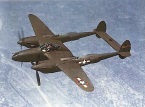
RE: December 28, 1941
Excellent AAR writing, reminds me of the epic Hibiki chronicles.
Keep it up.
Keep it up.
RE: ((Author's Notes))
ORIGINAL: Thayne
Hello, readers.
Now that we're a few weeks into this AAR, I thought I would step back a bit and offer a few notes.
As the readers of this AAR can tell, I am more of roleplayer than a wargammer. I like a good story. The purpose for the AAR is to provide the story with a setting that is different from (better than) what I could imagine. It is the seed material. I like to ask the question, "What would this be like for somebody who is in the game?"
This can be seen in a shift in focus on some of the stories. I have started to introduce stories that try to provide a perspective on the ground . . . stories that are less strategic in scope and more personal. I think that will continue.
I enjoyed imagining the construction on the base at Christmas Island - from a lone person walking on the beach on an island with a couple hundred inhabitants, to two villages eight miles apart - a port village and an airport village - each with a population of thousands in just a few days.
Enjoy your day.
Thayne
Great writing and enjoyable reading. I'm a big fan.
December 30, 1941
THE THAYNE REPORTS: THE ADMIRALS' EDITION
DECEMBER 30, 1941
The Thayne Reports are published by allied intelligence and distributed to senior officers serving in the Pacific Theater of Operation in order to give these officers an understanding of the overall military situation. These top secret reports contain the best and most up-to-date information available at the time of their writing. Revealing any of the contents of these reports will be punished as treason.
Jap Carriers Catch Slow Ships
(Soerabaja - Dutch East Indies) Five allied ships did not move fast enough to escape the Japanese carrier force that moved down the Makassar Straight towards western Java yesterday.
Three Dutch coastal minesweepers were destroyed by Japanese dive bombers. Japanese torpedo bombers sank the minelaying cruiser Rigel and crippled the oiler TAN5.
Rigel and TAN5 were on their way to Balikpapan on the eastern coast of Borneo to pick up some additional fuel when they got the call to evacuate the area.
However, TAN5 is an old and slow ship whose captain failed to appreciate how fast a Japanese attack force can move. Instead of ordering the ship to full speed to clear the area, the captain and her escort Rigel moved away at a common cruising speed. They discovered their mistake when the Japanese planes showed up early yesterday morning, putting three torpedoes in Rigel and one in TAN5.
The Japanese task force also launched another 70-plane strike against Balikpapan yesterday, further damaging its airfield and port facilities.
General Hein ter Poorten, commander of the Koninklijk Nederlands Indisch Leger (Royal Netherlands Indies Army; KNIL), has warned Thayne Report that more Dutch ships will likely be destroyed, simply because they are unable to find a safe place to hide from the Japanese carriers. This mostly applies to small coastal ships such as the coastal minesweepers like those that were sunk yesterday, he said.
Allied intelligence are also trying to figure out where the Japanese ships will go next.
One immediate concern is that they are gearing up to for a naval bombardment of Soerabaja during the night, where allied bombers would have no opportunity to offer any defense of the city. In anticipation of this possibility, ter Poorten has ordered that allied air forces spread out among nearby airfields.
Beyond Java, the Japanese task force may travel south to Australia. There is a risk that it could find a large set of transports currently at Port Hedland, on the northwest corner of Australia picking up a large supply of resources vital to the war efforts.
If the Japanese turn west and go into the Indian Ocean, they may find the British battleship Prince of Wales as it limps to Columbo after having been damaged in the opening days of the war.
Allied forces will be monitoring what the Japanese will do next.
Allied Air Forces Devastated
(Pearl Harbor - Hawaii) The air war against Japan took a decided turn for the worse yesterday as the Japanese scored significant victories in four separate air battles.
Japanese fighters ambushed allied bombers in separate battles in New Guinea and Malaya yesterday, inflicting significant casualties among the small number of bomber aircraft still flying in both regions.
Japan also continued its strategy of overwhelming and destroying allied air bases in massive attacks - this time targeting the airfield at Toungoo in central Burma. This has been the home of the 1st Squadron of the American Volunteer Group. Two separate air assaults involving over 100 airplanes cleared the American volunteers from the sky then reduced the airfield to rubble. The American volunteers were left with only seven operational fighters and a wrecked airfield.
In China, the Japanese inflicted the same strategy on the airbase at Kweiyang in southern China, destroying five bombers on the ground and rendering the air field nearly unusuable.
Several allied commanders have expressed concern that the allies are simply going to run out of airplanes. "We have lost 500 airplanes in three weeks. We have almost nothing left in any front-line area," one senior officer lamented.
New Pilots for the 72nd Pursuit Squadron
(Pearl Harbor - Hawaii) Lieutenant Jack Allen slapped Lieutenant Walter Ellis on the arm and pointed out to the end of Wheeler Field, where two P-40 Kittyhawks were coming in for a landing. The two officers shared a smile of anticipation.
"That's a beautiful bird," Ellis said.
"This is a war, not a beauty contest," Captain Campbell scoffed. He kept up a brisk pace, two paces ahead of the two lieutenants, each of which was carrying a duffel bag as they chased after the Captain.
Campbell took it upon himself to escort the two Lieutenants to their quarters personally. He lead them intentionally past two of the hangers that had been destroyed during the attack. The hangers had since been demolished - the debris pushed into a huge pile at the edge of the runway while preparations had started on building their replacement.
"Don't be too surprised at the smell, boys," Campbell told the Lieutenants. "We didn't have time to go looking for bodies before we brought the building down. A few of our pilots are still missing and might very well be buried in that pile somewhere."
There was no smell, and Campbell doubted that the hangers had been brought down with bodies still inside, but it made a good story to tell the pilots.
"It's a peashooter!" Allen exclaimed suddenly.
Ellis was confused until he followed Allen's stare to a short line of airplanes that came into view as they stepped past the debris pile. The airplanes were small, open-cockpit planes with fixed landing gear, looking a lot like metal biplanes with the top wing missing.
"A peashooter?" Ellis said. "That's what they call those things?"
"Well, you know your airplanes," Captaon Campbell said.
"It's a classic," said Allen. "The first all-metal monoplane in the U.S. Army. It was also the first to use flaps as a way of letting the pilot land at a lower speed without stalling the airplane."
"What are they doing here?" Ellis asked.
"You are to report here at 13:30 hours, lieutenants, for your first training lesson."
"Training lesson?" Ellis chuckled. "I already know how to fly."
"That's not what I hear, Lieutenant. Your instructor was a class-mate of mine at West Point. He told me that you had the distinction of being the worst pilot that ever managed to squeak through his school. Lieutenant Allen, you haven't impressed anybody either. That's why you're here."
Captain Campbell stopped in front of the line of five P-26 fighters. "These are your planes, gentlemen, until you can prove to me that you can handle something better."
"You can't be serious," Ellis said with a smile.
"I'm dead serious," said Captain Campbell. It was hard to tell from his expression, actually. He seemed to be enjoying himself. "Putting you in a Kittyhawk and sending you up against a Japanese Zero would be a waste of a perfectly good airplane. We save the good planes for those who actually know how to use them."
Allen wore a look of disgust as he looked back at the airplane.
"If it makes you feel any better, most of your classmates out rank you," said Campbell. Catching the look of surprise from both Lieutenants, Campbell continued. "That's right. Somehow the Army Air Corps decided to let a bunch of officers call themselves fighter pilots without knowing jack about how to shoot down an enemy airplane. Well, either they're going to learn or they're going to be flying peashooters from now until the end of the war. You'll find no second leutenants fresh out of pilot training in this outfit."
Captain Campbell started to turn away, then turned back as if remembering something. "And another thing. If the Japanese come back and launch another attack against this place, you will be expected to fight in defense of this island, and you will be expected to fly those airplanes. If that frightens you, and it should, then you will want to prove to me that you deserve something better than a peashooter as soon as possible. You'll have your first chance in two hours. Now, let me show you to your quarters."
He waited until he had his back to the two Lieutenants before he let himself smile.

DECEMBER 30, 1941
The Thayne Reports are published by allied intelligence and distributed to senior officers serving in the Pacific Theater of Operation in order to give these officers an understanding of the overall military situation. These top secret reports contain the best and most up-to-date information available at the time of their writing. Revealing any of the contents of these reports will be punished as treason.
Jap Carriers Catch Slow Ships
(Soerabaja - Dutch East Indies) Five allied ships did not move fast enough to escape the Japanese carrier force that moved down the Makassar Straight towards western Java yesterday.
Three Dutch coastal minesweepers were destroyed by Japanese dive bombers. Japanese torpedo bombers sank the minelaying cruiser Rigel and crippled the oiler TAN5.
Rigel and TAN5 were on their way to Balikpapan on the eastern coast of Borneo to pick up some additional fuel when they got the call to evacuate the area.
However, TAN5 is an old and slow ship whose captain failed to appreciate how fast a Japanese attack force can move. Instead of ordering the ship to full speed to clear the area, the captain and her escort Rigel moved away at a common cruising speed. They discovered their mistake when the Japanese planes showed up early yesterday morning, putting three torpedoes in Rigel and one in TAN5.
The Japanese task force also launched another 70-plane strike against Balikpapan yesterday, further damaging its airfield and port facilities.
General Hein ter Poorten, commander of the Koninklijk Nederlands Indisch Leger (Royal Netherlands Indies Army; KNIL), has warned Thayne Report that more Dutch ships will likely be destroyed, simply because they are unable to find a safe place to hide from the Japanese carriers. This mostly applies to small coastal ships such as the coastal minesweepers like those that were sunk yesterday, he said.
Allied intelligence are also trying to figure out where the Japanese ships will go next.
One immediate concern is that they are gearing up to for a naval bombardment of Soerabaja during the night, where allied bombers would have no opportunity to offer any defense of the city. In anticipation of this possibility, ter Poorten has ordered that allied air forces spread out among nearby airfields.
Beyond Java, the Japanese task force may travel south to Australia. There is a risk that it could find a large set of transports currently at Port Hedland, on the northwest corner of Australia picking up a large supply of resources vital to the war efforts.
If the Japanese turn west and go into the Indian Ocean, they may find the British battleship Prince of Wales as it limps to Columbo after having been damaged in the opening days of the war.
Allied forces will be monitoring what the Japanese will do next.
Allied Air Forces Devastated
(Pearl Harbor - Hawaii) The air war against Japan took a decided turn for the worse yesterday as the Japanese scored significant victories in four separate air battles.
Japanese fighters ambushed allied bombers in separate battles in New Guinea and Malaya yesterday, inflicting significant casualties among the small number of bomber aircraft still flying in both regions.
Japan also continued its strategy of overwhelming and destroying allied air bases in massive attacks - this time targeting the airfield at Toungoo in central Burma. This has been the home of the 1st Squadron of the American Volunteer Group. Two separate air assaults involving over 100 airplanes cleared the American volunteers from the sky then reduced the airfield to rubble. The American volunteers were left with only seven operational fighters and a wrecked airfield.
In China, the Japanese inflicted the same strategy on the airbase at Kweiyang in southern China, destroying five bombers on the ground and rendering the air field nearly unusuable.
Several allied commanders have expressed concern that the allies are simply going to run out of airplanes. "We have lost 500 airplanes in three weeks. We have almost nothing left in any front-line area," one senior officer lamented.
New Pilots for the 72nd Pursuit Squadron
(Pearl Harbor - Hawaii) Lieutenant Jack Allen slapped Lieutenant Walter Ellis on the arm and pointed out to the end of Wheeler Field, where two P-40 Kittyhawks were coming in for a landing. The two officers shared a smile of anticipation.
"That's a beautiful bird," Ellis said.
"This is a war, not a beauty contest," Captain Campbell scoffed. He kept up a brisk pace, two paces ahead of the two lieutenants, each of which was carrying a duffel bag as they chased after the Captain.
Campbell took it upon himself to escort the two Lieutenants to their quarters personally. He lead them intentionally past two of the hangers that had been destroyed during the attack. The hangers had since been demolished - the debris pushed into a huge pile at the edge of the runway while preparations had started on building their replacement.
"Don't be too surprised at the smell, boys," Campbell told the Lieutenants. "We didn't have time to go looking for bodies before we brought the building down. A few of our pilots are still missing and might very well be buried in that pile somewhere."
There was no smell, and Campbell doubted that the hangers had been brought down with bodies still inside, but it made a good story to tell the pilots.
"It's a peashooter!" Allen exclaimed suddenly.
Ellis was confused until he followed Allen's stare to a short line of airplanes that came into view as they stepped past the debris pile. The airplanes were small, open-cockpit planes with fixed landing gear, looking a lot like metal biplanes with the top wing missing.
"A peashooter?" Ellis said. "That's what they call those things?"
"Well, you know your airplanes," Captaon Campbell said.
"It's a classic," said Allen. "The first all-metal monoplane in the U.S. Army. It was also the first to use flaps as a way of letting the pilot land at a lower speed without stalling the airplane."
"What are they doing here?" Ellis asked.
"You are to report here at 13:30 hours, lieutenants, for your first training lesson."
"Training lesson?" Ellis chuckled. "I already know how to fly."
"That's not what I hear, Lieutenant. Your instructor was a class-mate of mine at West Point. He told me that you had the distinction of being the worst pilot that ever managed to squeak through his school. Lieutenant Allen, you haven't impressed anybody either. That's why you're here."
Captain Campbell stopped in front of the line of five P-26 fighters. "These are your planes, gentlemen, until you can prove to me that you can handle something better."
"You can't be serious," Ellis said with a smile.
"I'm dead serious," said Captain Campbell. It was hard to tell from his expression, actually. He seemed to be enjoying himself. "Putting you in a Kittyhawk and sending you up against a Japanese Zero would be a waste of a perfectly good airplane. We save the good planes for those who actually know how to use them."
Allen wore a look of disgust as he looked back at the airplane.
"If it makes you feel any better, most of your classmates out rank you," said Campbell. Catching the look of surprise from both Lieutenants, Campbell continued. "That's right. Somehow the Army Air Corps decided to let a bunch of officers call themselves fighter pilots without knowing jack about how to shoot down an enemy airplane. Well, either they're going to learn or they're going to be flying peashooters from now until the end of the war. You'll find no second leutenants fresh out of pilot training in this outfit."
Captain Campbell started to turn away, then turned back as if remembering something. "And another thing. If the Japanese come back and launch another attack against this place, you will be expected to fight in defense of this island, and you will be expected to fly those airplanes. If that frightens you, and it should, then you will want to prove to me that you deserve something better than a peashooter as soon as possible. You'll have your first chance in two hours. Now, let me show you to your quarters."
He waited until he had his back to the two Lieutenants before he let himself smile.
- Attachments
-
- Carrier2.jpg (182.96 KiB) Viewed 369 times
-
bradfordkay
- Posts: 8686
- Joined: Sun Mar 24, 2002 8:39 am
- Location: Olympia, WA
RE: December 30, 1941
I'm happy to see you back, Thayne. I truly enjoyed your WITP AAR, which greatly influenced my own playing style. I'm looking forward to keeping up with your adventures in AE.
fair winds,
Brad
Brad
December 31, 1941
THE THAYNE REPORTS: THE ADMIRALS' EDITION
DECEMBER 31, 1941
The Thayne Reports are published by allied intelligence and distributed to senior officers serving in the Pacific Theater of Operation in order to give these officers an understanding of the overall military situation. These top secret reports contain the best and most up-to-date information available at the time of their writing. Revealing any of the contents of these reports will be punished as treason.
Jap Carriers Hover Over Java
(Soerabaja - Dutch East Indies) The Japanese carrier force that came down the Makassar straight yesterday hovered in the waters northeast of the main island of Java for another day.
Their attacks claimed three more coastal mine sweepers. In addition, the oiler that the Japanese carrier planes attacked yesterday sank 52 miles north of Soerabaja. This has brought to eight the total number of allied ships sunk by the carrier force, though six of the eight ships were small coastal ships.
Japan also launched its third attack against Balikpapan and an attack against Makassar.
Dutch forces are considering the possibility that the Japanese navy may try to move in at night and shell the facilities at Soerabaja. To prepare for that possibility, Dutch General Hein ter Poorten, commander of the Koninklijk Nederlands Indisch Leger (Royal Netherlands Indies Army; KNIL) ordered the air forces at Soerabaja to be disbursed, while still providing long-range combat air platrols over the city of Serabaja.
Allied military intelligence is going over every piece of information available to determine where the Japanese task force might try to go next. Its last reported position, just at the southern enterance of the Makassar Straight, suggests that it may be content to stay where it is. Its current position allows it to block any allied movement towards the ports of Balikpapan and Tarakan.
Military leaders are convinced that these two oil-rich ports are high on the list of Japanese objectives and provide two of the most significant reasons behind that country's decision to attack.
Allied military intelligence is also aware of another Japanese carrier force near the island of Guam, possibly heading north. Japanese carrier planes have struck Guam in the last two days; flying in from the south on the first day of attacks, while flying down from the north on the second day.
American Carriers Advance in the East
(Pearl Harbor - Hawaii) With the Japanese carries hovering near Java, Admiral Chester Nimitz, Commander in Chief, United States Pacific Fleet (CinCPac) ordered his carrier forces to continue to advance for possible strikes against Japanese forces in the eastern Pacific Ocean.
Enterprise and Saratoga have met at Gardener Island just west of Canton Island and have been given orders to attack Makin Island and Tarawa in the Gilbert chain. This will be the second trip to these islands for Enterprise, who attacked shortly after the Pearl Harbor raid.
Nimitz' objective in this attack is to foresall any further Japanese advance in the direction of the Line Islands - including the newly constructed base on Christmas Island and lightly defended Canton Island.
At the same time, Lexington is escorting an amphibious task force charged with landing the 34th Combat Engineers on Midway Island. Nimitz' orders are for Lexington to advance beyond Midway and attack the Japanese garrison on Wake Island. Lexington is being accompanied by nine heavy cruisers.
Gen. Arnold: "We Will Not Reconsider 'Germany First'"
(Washington DC) "We don't have an air force in the Pacific," General "Hap" Arnold admitted before a closed Senate hearing in Washington DC yesterday. "Nevertheless, it would be a serious mistake to reallocate planes away from the effort to contain Adolph Hitler."
The Senate committee was convened to hear testimony on the merits of President Roosevelt's 'Germany First' strategy. The strategy, negotiated with England's Prime Minister Winston Churchill before the war, calls for containing Japan until Hitler has been taken care of. Several Senate leaders have said that this strategy needs to be re-evaluated in light of the attack on Pearl Harbor and what is now known about Japan's war potential.
Arnold admitted before the committee that the War Department had seriously underestimated Japan's war-making capability. "They seem to have more ships and more airplanes than we thought," he said in response to questions.
Arnold informed the committee that the allies have lost over 500 airplanes in the first three weeks of the war against Japan. "Though we have inflicted even greater losses on the enemy, the fact is that the enemy had more planes to lose. Currently, I would say that we have no combat effective air units fighting in the Pacific. We are in the process of rebuilding those that were damaged to the best of our current ability consistent with the Germany First plan, and hope to return some air units to battle within the next week."
Senator John Gurney of South Dakota commented that, "A wise military leader will change his strategy in light of new information. It is foolish for us to confine ourselves to a strategy that was adopted before the destruction of Pearl Harbor under this administration, and in complete ignorance of Japan's military capabilities."
"It is hoped that a wise military leader would not switch from the better strategy to a worse one merely because it is different," Arnold responded.
When asked about his greatest concern with respect to the air war against Japan, Arnold said that the situation in China has his greatest attention. "We can expect Japan to make moves to close the supply routes into China. This will include taking Rangoon and closing the Burma Road. I am worried that Japan's air power may be enough to also demolish any air fields capable of being used to fly supplies to China as well."
However, Arnold told the committee that the seriousness of the Japanese threat is insignificant compared to that of Hitler. "Currently, the German army is bogged down at the gates of Moscow. Next summer, Hitler might take Russia completely out of the war and then turn his army on England or try to capture the oil fields in the Middle East. That is our greatest threat. That is what we should be focusing on at the moment."

DECEMBER 31, 1941
The Thayne Reports are published by allied intelligence and distributed to senior officers serving in the Pacific Theater of Operation in order to give these officers an understanding of the overall military situation. These top secret reports contain the best and most up-to-date information available at the time of their writing. Revealing any of the contents of these reports will be punished as treason.
Jap Carriers Hover Over Java
(Soerabaja - Dutch East Indies) The Japanese carrier force that came down the Makassar straight yesterday hovered in the waters northeast of the main island of Java for another day.
Their attacks claimed three more coastal mine sweepers. In addition, the oiler that the Japanese carrier planes attacked yesterday sank 52 miles north of Soerabaja. This has brought to eight the total number of allied ships sunk by the carrier force, though six of the eight ships were small coastal ships.
Japan also launched its third attack against Balikpapan and an attack against Makassar.
Dutch forces are considering the possibility that the Japanese navy may try to move in at night and shell the facilities at Soerabaja. To prepare for that possibility, Dutch General Hein ter Poorten, commander of the Koninklijk Nederlands Indisch Leger (Royal Netherlands Indies Army; KNIL) ordered the air forces at Soerabaja to be disbursed, while still providing long-range combat air platrols over the city of Serabaja.
Allied military intelligence is going over every piece of information available to determine where the Japanese task force might try to go next. Its last reported position, just at the southern enterance of the Makassar Straight, suggests that it may be content to stay where it is. Its current position allows it to block any allied movement towards the ports of Balikpapan and Tarakan.
Military leaders are convinced that these two oil-rich ports are high on the list of Japanese objectives and provide two of the most significant reasons behind that country's decision to attack.
Allied military intelligence is also aware of another Japanese carrier force near the island of Guam, possibly heading north. Japanese carrier planes have struck Guam in the last two days; flying in from the south on the first day of attacks, while flying down from the north on the second day.
American Carriers Advance in the East
(Pearl Harbor - Hawaii) With the Japanese carries hovering near Java, Admiral Chester Nimitz, Commander in Chief, United States Pacific Fleet (CinCPac) ordered his carrier forces to continue to advance for possible strikes against Japanese forces in the eastern Pacific Ocean.
Enterprise and Saratoga have met at Gardener Island just west of Canton Island and have been given orders to attack Makin Island and Tarawa in the Gilbert chain. This will be the second trip to these islands for Enterprise, who attacked shortly after the Pearl Harbor raid.
Nimitz' objective in this attack is to foresall any further Japanese advance in the direction of the Line Islands - including the newly constructed base on Christmas Island and lightly defended Canton Island.
At the same time, Lexington is escorting an amphibious task force charged with landing the 34th Combat Engineers on Midway Island. Nimitz' orders are for Lexington to advance beyond Midway and attack the Japanese garrison on Wake Island. Lexington is being accompanied by nine heavy cruisers.
Gen. Arnold: "We Will Not Reconsider 'Germany First'"
(Washington DC) "We don't have an air force in the Pacific," General "Hap" Arnold admitted before a closed Senate hearing in Washington DC yesterday. "Nevertheless, it would be a serious mistake to reallocate planes away from the effort to contain Adolph Hitler."
The Senate committee was convened to hear testimony on the merits of President Roosevelt's 'Germany First' strategy. The strategy, negotiated with England's Prime Minister Winston Churchill before the war, calls for containing Japan until Hitler has been taken care of. Several Senate leaders have said that this strategy needs to be re-evaluated in light of the attack on Pearl Harbor and what is now known about Japan's war potential.
Arnold admitted before the committee that the War Department had seriously underestimated Japan's war-making capability. "They seem to have more ships and more airplanes than we thought," he said in response to questions.
Arnold informed the committee that the allies have lost over 500 airplanes in the first three weeks of the war against Japan. "Though we have inflicted even greater losses on the enemy, the fact is that the enemy had more planes to lose. Currently, I would say that we have no combat effective air units fighting in the Pacific. We are in the process of rebuilding those that were damaged to the best of our current ability consistent with the Germany First plan, and hope to return some air units to battle within the next week."
Senator John Gurney of South Dakota commented that, "A wise military leader will change his strategy in light of new information. It is foolish for us to confine ourselves to a strategy that was adopted before the destruction of Pearl Harbor under this administration, and in complete ignorance of Japan's military capabilities."
"It is hoped that a wise military leader would not switch from the better strategy to a worse one merely because it is different," Arnold responded.
When asked about his greatest concern with respect to the air war against Japan, Arnold said that the situation in China has his greatest attention. "We can expect Japan to make moves to close the supply routes into China. This will include taking Rangoon and closing the Burma Road. I am worried that Japan's air power may be enough to also demolish any air fields capable of being used to fly supplies to China as well."
However, Arnold told the committee that the seriousness of the Japanese threat is insignificant compared to that of Hitler. "Currently, the German army is bogged down at the gates of Moscow. Next summer, Hitler might take Russia completely out of the war and then turn his army on England or try to capture the oil fields in the Middle East. That is our greatest threat. That is what we should be focusing on at the moment."
- Attachments
-
- Untitled.jpg (163.36 KiB) Viewed 369 times
January 1, 1942
THE THAYNE REPORTS: THE ADMIRALS' EDITION
January 1, 1942
The Thayne Reports are published by allied intelligence and distributed to senior officers serving in the Pacific Theater of Operation in order to give these officers an understanding of the overall military situation. These top secret reports contain the best and most up-to-date information available at the time of their writing. Revealing any of the contents of these reports will be punished as treason.
Japanese Carriers at Java Turn East
(Soerabaja - Dutch East Indies) The Japanese carrier force that has been threatening Java turned east yesterday, moving into the waters just south of Celebes.
The move means that forces west of the Japanese carrier can breathe a sigh of relief. The Dutch military had sent most ships in the waters in western Java to an island several hundred miles sough of Java called Christmas Island (Indian Ocean).
With the Japanese carriers heading east, the task forces of western Java are returning to refuel and to continue to threaten any Japanese movement in those waters.
However, the Japanese move increases the threat in the waters around Timor and Darwin, on the northern coast of Australia.
Because the Australian land mass prevents any ships from moving south, there is a risk of any ships at Darwin getting caught in a trap. The ships would have to select between travelling west and getting caught by the Japanese carrier force, or heading east where Japan has started to capture ports and air fields on New Guinea and are batting for Rabaul.
In light of the difficulty, the Allied forces have divided their task force into two parts.
The American and Australian ships are going to travel east. Many are in need of maintenance.
The British and Dutch ships will travel west. If the Japanese move out of the waters around Java, most of these ships will return and seek out repairs and maintenance in Soerabaja. Otherwise, they may retire and seek maintenance in Ceylon and India.
Allied Attack on Tarawa Take On New Importance
(Pearl Harbor - Hawaii) Allied military intelligence has picked up information that gives new importance to the planned second attack on the Gilbert Islands.
Currently, the aircraft carriers Enterprise and Saratoga are heading northwest away from Canton Island. They are expected to reach their target in two days. Military planners are hoping to take advantage of the fact that the Japanese carriers have gone to Java launch an attack against these islands without facing significant opposition.
They are partially worried about Japanese land-based torpedo bombers interfering with their mission.
This attack became far more significant when military intelligence picked up messages transmitted among the Japanese that indicates that the 51st Naval Guard Unit is preparing to attack New Caledonia.
New Caledonia is one of a string of islands guarding the lifeline between the United States and Australia. If Japan takes New Caledonia, airplanes based there would be able to fly over a substantial portion of that supply line.
Further research showed that the 51st Naval Guard Unit is the unit that Enterprise and Lexington encountered in their first trip to Makin and Tarawa. Reports from that attack say that the allies encountered and sank two loaded troop transports.
In addition, a report came in from the submarine Dolphin that it had spotted a Japanese troop transport about 200 miles northwest of Makin.
All of this information indicates that the Allied carriers might be interfering with the planning of a major allied assault of New Caledonia being readied in the waters around the Gilbert Islands. This may be the second step in the battle to defend that island.
New Year's Eve On the Canadian Armed Merchant Cruiser Prince Henry
(Pearl Harbor - Hawaii) I walked up onto the deck at sunset and went to the port side where I watched the sun set.
One thing I think too few people realize about life on a ship is that the ship creates its own wind. If you are travelling at 20 knots then, if the weather is perfectly calm, you have a 20 knot wind blowing over the ship. The only time you have no wind on a ship is if the ship is standing still or you happen to have a tail wind that exactly matches the speed of the ship.
For the first two days out of Dutch Harbor, this created blistering wind chills. However, the weather got warmer as we headed south. This evening a moderately heavy coat and gloves were still required, but it was not as brutal as it had been.
Around the ships, observers watch the sky for signs of Japanese planes. That is our mission out here as we sail from Dutch Harbor to Midway and back again. We are looking for seaplanes launched from Japanese battleships or cruisers, or scout planes launched from Japanese carriers, anything to suggest that the Japanese are trying to return to Hawaii or to threaten the shipping lanes between it and Pearl Harbor.
Captain (Name) came up to me this evening and directly asked me for my cup.
I handed it to him. He took a sniff of it, then dropped cup and all over the side and into the ocean.
"Hey!"
"I'll have no drinking on board my ship, Mr. Jellison. You may not be a formal member of my crew but you'll obey my orders."
"That was coffee!"
"With a little seasoning, I could tell. Not on my ship."
"I don't know what you were smelling, Captain, but there was no alcohol in that cup."
"I'll not have you talk back to be either, Mr. Jellison. Like any member of the crew, if I give you an order, you will obey it or I will lock you in the brig until we reach shore."
He paused for just a moment and said, "You Americans are all alike. You think you are better than everybody else and you can push your way here and there as you please and everybody else had better just put up with it. I was told to bring you on this trip Mr. Jellison. I wasn't told that I needed to put up with your American attitude. Do I make myself clear?"
"Yes, sir." I answered.
"And you can print that in your little Admirals' Report too. It doesn't scare me any."
"Thank you, sir," I said. "I think I will."

January 1, 1942
The Thayne Reports are published by allied intelligence and distributed to senior officers serving in the Pacific Theater of Operation in order to give these officers an understanding of the overall military situation. These top secret reports contain the best and most up-to-date information available at the time of their writing. Revealing any of the contents of these reports will be punished as treason.
Japanese Carriers at Java Turn East
(Soerabaja - Dutch East Indies) The Japanese carrier force that has been threatening Java turned east yesterday, moving into the waters just south of Celebes.
The move means that forces west of the Japanese carrier can breathe a sigh of relief. The Dutch military had sent most ships in the waters in western Java to an island several hundred miles sough of Java called Christmas Island (Indian Ocean).
With the Japanese carriers heading east, the task forces of western Java are returning to refuel and to continue to threaten any Japanese movement in those waters.
However, the Japanese move increases the threat in the waters around Timor and Darwin, on the northern coast of Australia.
Because the Australian land mass prevents any ships from moving south, there is a risk of any ships at Darwin getting caught in a trap. The ships would have to select between travelling west and getting caught by the Japanese carrier force, or heading east where Japan has started to capture ports and air fields on New Guinea and are batting for Rabaul.
In light of the difficulty, the Allied forces have divided their task force into two parts.
The American and Australian ships are going to travel east. Many are in need of maintenance.
The British and Dutch ships will travel west. If the Japanese move out of the waters around Java, most of these ships will return and seek out repairs and maintenance in Soerabaja. Otherwise, they may retire and seek maintenance in Ceylon and India.
Allied Attack on Tarawa Take On New Importance
(Pearl Harbor - Hawaii) Allied military intelligence has picked up information that gives new importance to the planned second attack on the Gilbert Islands.
Currently, the aircraft carriers Enterprise and Saratoga are heading northwest away from Canton Island. They are expected to reach their target in two days. Military planners are hoping to take advantage of the fact that the Japanese carriers have gone to Java launch an attack against these islands without facing significant opposition.
They are partially worried about Japanese land-based torpedo bombers interfering with their mission.
This attack became far more significant when military intelligence picked up messages transmitted among the Japanese that indicates that the 51st Naval Guard Unit is preparing to attack New Caledonia.
New Caledonia is one of a string of islands guarding the lifeline between the United States and Australia. If Japan takes New Caledonia, airplanes based there would be able to fly over a substantial portion of that supply line.
Further research showed that the 51st Naval Guard Unit is the unit that Enterprise and Lexington encountered in their first trip to Makin and Tarawa. Reports from that attack say that the allies encountered and sank two loaded troop transports.
In addition, a report came in from the submarine Dolphin that it had spotted a Japanese troop transport about 200 miles northwest of Makin.
All of this information indicates that the Allied carriers might be interfering with the planning of a major allied assault of New Caledonia being readied in the waters around the Gilbert Islands. This may be the second step in the battle to defend that island.
New Year's Eve On the Canadian Armed Merchant Cruiser Prince Henry
(Pearl Harbor - Hawaii) I walked up onto the deck at sunset and went to the port side where I watched the sun set.
One thing I think too few people realize about life on a ship is that the ship creates its own wind. If you are travelling at 20 knots then, if the weather is perfectly calm, you have a 20 knot wind blowing over the ship. The only time you have no wind on a ship is if the ship is standing still or you happen to have a tail wind that exactly matches the speed of the ship.
For the first two days out of Dutch Harbor, this created blistering wind chills. However, the weather got warmer as we headed south. This evening a moderately heavy coat and gloves were still required, but it was not as brutal as it had been.
Around the ships, observers watch the sky for signs of Japanese planes. That is our mission out here as we sail from Dutch Harbor to Midway and back again. We are looking for seaplanes launched from Japanese battleships or cruisers, or scout planes launched from Japanese carriers, anything to suggest that the Japanese are trying to return to Hawaii or to threaten the shipping lanes between it and Pearl Harbor.
Captain (Name) came up to me this evening and directly asked me for my cup.
I handed it to him. He took a sniff of it, then dropped cup and all over the side and into the ocean.
"Hey!"
"I'll have no drinking on board my ship, Mr. Jellison. You may not be a formal member of my crew but you'll obey my orders."
"That was coffee!"
"With a little seasoning, I could tell. Not on my ship."
"I don't know what you were smelling, Captain, but there was no alcohol in that cup."
"I'll not have you talk back to be either, Mr. Jellison. Like any member of the crew, if I give you an order, you will obey it or I will lock you in the brig until we reach shore."
He paused for just a moment and said, "You Americans are all alike. You think you are better than everybody else and you can push your way here and there as you please and everybody else had better just put up with it. I was told to bring you on this trip Mr. Jellison. I wasn't told that I needed to put up with your American attitude. Do I make myself clear?"
"Yes, sir." I answered.
"And you can print that in your little Admirals' Report too. It doesn't scare me any."
"Thank you, sir," I said. "I think I will."
- Attachments
-
- Untitled.jpg (197.51 KiB) Viewed 369 times
January 2nd, 1942
THE THAYNE REPORTS: THE ADMIRALS' EDITION
JANUARY 2, 1942
The Thayne Reports are published by allied intelligence and distributed to senior officers serving in the Pacific Theater of Operation in order to give these officers an understanding of the overall military situation. These top secret reports contain the best and most up-to-date information available at the time of their writing. Revealing any of the contents of these reports will be punished as treason.
Jap Carriers Move East
(Soerabaja - Dutch East Indies) The Japanese carrier force that came down through the Makassar straight a couple of days ago continues to travel slowly eastward through the Dutch East Indies.
Currently located just south of the island of Celebes, it continues to strike major ports in the area and to sink several small coastal ships that were unable to get out of its way. PT boats and other short-range craft have been struggling to find ports with stores of fuel that they could use in trying to escape. Those that came through first left little for those who came through last.
In addition, in the last 24 hours, the Japanese carrier force launched attacks on the port of Makassar on the southwest corner of the island of Celebes, and on Lautem on the eastern tip of Timor.
Military analysists believe the Japanese intended to drive the Allied ships that did try to escape into a nest of Japanese spies. Intelligence operations have revealed that the waters between Timor and Darwin - the most likely route that escaping ships would want to take, to be virtually swarming with Japanese submarines.
Some ship commanders have viewed the Japanese submarines to be such a threat that they have opted to continue to travel east, rather than make the trip south to Darwin through sub-infested waters.
The fact that the Japanese carriers have stayed close to Celebes has caused Nimitz to reconsider his order to have the American and Australian combat ships retreat to Sydney. If the carriers return to the north, Nimitz has given orders for the American-Australian task force to return to Java to interrupt the Japanese assaults that are yet to come.
However, if the Japanese carriers come south, Nimitz has given Riker orders to keep the cruisers and destroyers out from carrier strike range by moving to Sydney.
American Carriers Strike Gilbert Islands (Again)
(Pearl Harbor - Hawaii) A miscommunication among the task forces attacking the Gilbert Islands has caused the aircraft carrier Saratoga to rush ahead to attack the enemy bases, while Enterprise is still sailing into position.
Dawn found Saratoga 150 miles southeast of Tarawa ready to launch its strikes against the Japanese bases, while Enterprise sat was still sailing north to reach its assigned position the following morning.
By the time the mistake was discovered, Saratoga already had its scout planes in the air and was receiving information on the two Japanese bases and on any other ships that were in the area. This meant that the Japanese bases were receiving information that American carrier-based scout planes were overhead.
Captain Ramsey of Saratoga sent out his scout planes before sunrise so that they could get a good look at the target islands of Tarawa and Makin in the early dawn light, when long shadows made it easier to see targets on the ground.
Scout planes found clear skies at both targets. The scouts visiting Tarawa further reported the presence of two Japanese transport ships unloading cargo. Immediately, Ramsey ordered his dive bombers to destroy the two ships. Pilots reported putting five 1000 pound bombs in the troop transport and four 1000 pound bombs in the cargo ship. The pilots did not report that either ship had sunk. However, military analysts say that if the bombing reports are accurate it is unlikely that either ship - or their cargo - survived the attack.
Ramsey then ordered his shorter-range torpedo bombers to strike the island of Tarawa. They left several fires burning on the island.
Saratoga's scouts also found a Japanese task force heading west away from Tarawa. Though lacking enough fuel needed to chase the fleeing task force, Ramsey gave orders for Saratoga to move westward during the night in the hopes of catching more Japanese ships. If none are found, Saratoga will attack Tarawa a second time.
In the mean time, Admiral Halsey, on Enterprise, will be bringing his carrier up for a follow-up strike on Makin Island.
Strategists to Consider "The New Caledonia Issue"
Representatives of several military commands will be gathering on the island of New Caledonia on Friday afternoon (January 2nd) to discuss "The New Caledonia Issue".
Military intelligence has revealed that the Japanese are planning to occupy the island of New Caledonia at some point in the future. At issue is whether the Allies wish to make a determined stand to hold on to the island, or to abandon it to the Japanese.
A third option is to continue with business as usual and to hope that either the information is incorrect, or that recent attacks near Tarawa may deprive the invasion of needed troops and equipment. Intelligence sources suggest that Japan was planning on using troops involved in the capture of Makin and Tarawa in the New Caledonia invasion.
New Zealand and Australia have already made serious commitments to the defense of New Caledonia and have positioned over 4000 troops there. Additional troops are currently unloading from a task force that had just arrived.
The American representative, Colonel Albert Newton, argued that the allies faced a number of uncertainties regarding the Japanese plans. He presented the suggestion that this could be a trick to draw the American military away from real target, or an attempt to draw the American carriers into a trap. Newton will be arguing for "business as usual" until we learn more.
Australia and New Zealand will counter that this is the worst of the three options. They will argue that if the allies do not make a firm commitment to hold the island, then they should abandon it. Both are preferable to a plan that will allow Japan to isolate and destroy the garrison that Australia and New Zealand has placed on New Caledonia.
The Last Day for Enggano
(Soerabaja - Dutch East Indies) The port authority at Labuhanbajo, northeast of Ruteng, half way between Timor to the east and Java to the west, was the last person to report hearing anything from the dutch coastal minesweeper Enggano.
The ship had been sailing east with two sister ships, Djombang and Slamat, trying to outrun or escape the notice of the Japanese carrier force last seen north of their position. They had been moving slowly along the coast, visiting each port, looking for fuel that will get them a little further on their way to Timor.
The Dutch coastal minesweeper was a small ship as far as navy ships goes. It's 175 tonne hull was the home of 14 Dutch sailors. Officially it's job was to hunt for mines that Japanese subs or ships might try to slip into Dutch harbors. However, it was mostly used as a Dutch gopher, hopping around from place to place carrying men and materials like a seaborne taxi.
The Japanese were not in the mood to let anything that could serve the allies stay afloat. Their Kate and Val bombers were flying low along the full length of the coast, taking out whatever targets that opportunity provided to them. Even small fishing boats at Labuhanbajo had come under attack. Strafed and bombed, some were sunk, and others left riddled with machine-gun holes.
It wasn't half an hour after the port authority at Labuhanbajo had told the captain of Enggano that he had no fuel that he received a frantic radio call.
From what could be pieced together from fragments of information, the three minesweepers were hugging the coast, moving ahead when it seemed safe, and hiding whenever a Japanese patrol plane went over.
However, they probably did not see the patrol plan that spotted them. They only knew that they were set upon suddenly by Japanese airplanes. Experts predict that the planes were probably Val dive bombers, though there are no witnesses to confirm this guess. Each carried a rack of 60kg bombs to use on targets of opportunity, and the minesweepers presented targets of opportunity.
The fact that no radio call came in says that the three ships sank quickly. We have nobody to tell us the story of what happened. All we know is that the three coastal minesweepers have not been heard of since they left Labuhanbajo.
Some still hold out hope that they sailed up a river and are in hiding, and that they will some day suddenly sail into a port and announce themselves.
However, there are a lot of burning buildings and ships up and down the coast of the islands, and many more sitting on the ocean floor. Most believe that Enggano and her sister minesweepers will be found their, their crews no longer participating in this World War.

JANUARY 2, 1942
The Thayne Reports are published by allied intelligence and distributed to senior officers serving in the Pacific Theater of Operation in order to give these officers an understanding of the overall military situation. These top secret reports contain the best and most up-to-date information available at the time of their writing. Revealing any of the contents of these reports will be punished as treason.
Jap Carriers Move East
(Soerabaja - Dutch East Indies) The Japanese carrier force that came down through the Makassar straight a couple of days ago continues to travel slowly eastward through the Dutch East Indies.
Currently located just south of the island of Celebes, it continues to strike major ports in the area and to sink several small coastal ships that were unable to get out of its way. PT boats and other short-range craft have been struggling to find ports with stores of fuel that they could use in trying to escape. Those that came through first left little for those who came through last.
In addition, in the last 24 hours, the Japanese carrier force launched attacks on the port of Makassar on the southwest corner of the island of Celebes, and on Lautem on the eastern tip of Timor.
Military analysists believe the Japanese intended to drive the Allied ships that did try to escape into a nest of Japanese spies. Intelligence operations have revealed that the waters between Timor and Darwin - the most likely route that escaping ships would want to take, to be virtually swarming with Japanese submarines.
Some ship commanders have viewed the Japanese submarines to be such a threat that they have opted to continue to travel east, rather than make the trip south to Darwin through sub-infested waters.
The fact that the Japanese carriers have stayed close to Celebes has caused Nimitz to reconsider his order to have the American and Australian combat ships retreat to Sydney. If the carriers return to the north, Nimitz has given orders for the American-Australian task force to return to Java to interrupt the Japanese assaults that are yet to come.
However, if the Japanese carriers come south, Nimitz has given Riker orders to keep the cruisers and destroyers out from carrier strike range by moving to Sydney.
American Carriers Strike Gilbert Islands (Again)
(Pearl Harbor - Hawaii) A miscommunication among the task forces attacking the Gilbert Islands has caused the aircraft carrier Saratoga to rush ahead to attack the enemy bases, while Enterprise is still sailing into position.
Dawn found Saratoga 150 miles southeast of Tarawa ready to launch its strikes against the Japanese bases, while Enterprise sat was still sailing north to reach its assigned position the following morning.
By the time the mistake was discovered, Saratoga already had its scout planes in the air and was receiving information on the two Japanese bases and on any other ships that were in the area. This meant that the Japanese bases were receiving information that American carrier-based scout planes were overhead.
Captain Ramsey of Saratoga sent out his scout planes before sunrise so that they could get a good look at the target islands of Tarawa and Makin in the early dawn light, when long shadows made it easier to see targets on the ground.
Scout planes found clear skies at both targets. The scouts visiting Tarawa further reported the presence of two Japanese transport ships unloading cargo. Immediately, Ramsey ordered his dive bombers to destroy the two ships. Pilots reported putting five 1000 pound bombs in the troop transport and four 1000 pound bombs in the cargo ship. The pilots did not report that either ship had sunk. However, military analysts say that if the bombing reports are accurate it is unlikely that either ship - or their cargo - survived the attack.
Ramsey then ordered his shorter-range torpedo bombers to strike the island of Tarawa. They left several fires burning on the island.
Saratoga's scouts also found a Japanese task force heading west away from Tarawa. Though lacking enough fuel needed to chase the fleeing task force, Ramsey gave orders for Saratoga to move westward during the night in the hopes of catching more Japanese ships. If none are found, Saratoga will attack Tarawa a second time.
In the mean time, Admiral Halsey, on Enterprise, will be bringing his carrier up for a follow-up strike on Makin Island.
Strategists to Consider "The New Caledonia Issue"
Representatives of several military commands will be gathering on the island of New Caledonia on Friday afternoon (January 2nd) to discuss "The New Caledonia Issue".
Military intelligence has revealed that the Japanese are planning to occupy the island of New Caledonia at some point in the future. At issue is whether the Allies wish to make a determined stand to hold on to the island, or to abandon it to the Japanese.
A third option is to continue with business as usual and to hope that either the information is incorrect, or that recent attacks near Tarawa may deprive the invasion of needed troops and equipment. Intelligence sources suggest that Japan was planning on using troops involved in the capture of Makin and Tarawa in the New Caledonia invasion.
New Zealand and Australia have already made serious commitments to the defense of New Caledonia and have positioned over 4000 troops there. Additional troops are currently unloading from a task force that had just arrived.
The American representative, Colonel Albert Newton, argued that the allies faced a number of uncertainties regarding the Japanese plans. He presented the suggestion that this could be a trick to draw the American military away from real target, or an attempt to draw the American carriers into a trap. Newton will be arguing for "business as usual" until we learn more.
Australia and New Zealand will counter that this is the worst of the three options. They will argue that if the allies do not make a firm commitment to hold the island, then they should abandon it. Both are preferable to a plan that will allow Japan to isolate and destroy the garrison that Australia and New Zealand has placed on New Caledonia.
The Last Day for Enggano
(Soerabaja - Dutch East Indies) The port authority at Labuhanbajo, northeast of Ruteng, half way between Timor to the east and Java to the west, was the last person to report hearing anything from the dutch coastal minesweeper Enggano.
The ship had been sailing east with two sister ships, Djombang and Slamat, trying to outrun or escape the notice of the Japanese carrier force last seen north of their position. They had been moving slowly along the coast, visiting each port, looking for fuel that will get them a little further on their way to Timor.
The Dutch coastal minesweeper was a small ship as far as navy ships goes. It's 175 tonne hull was the home of 14 Dutch sailors. Officially it's job was to hunt for mines that Japanese subs or ships might try to slip into Dutch harbors. However, it was mostly used as a Dutch gopher, hopping around from place to place carrying men and materials like a seaborne taxi.
The Japanese were not in the mood to let anything that could serve the allies stay afloat. Their Kate and Val bombers were flying low along the full length of the coast, taking out whatever targets that opportunity provided to them. Even small fishing boats at Labuhanbajo had come under attack. Strafed and bombed, some were sunk, and others left riddled with machine-gun holes.
It wasn't half an hour after the port authority at Labuhanbajo had told the captain of Enggano that he had no fuel that he received a frantic radio call.
From what could be pieced together from fragments of information, the three minesweepers were hugging the coast, moving ahead when it seemed safe, and hiding whenever a Japanese patrol plane went over.
However, they probably did not see the patrol plan that spotted them. They only knew that they were set upon suddenly by Japanese airplanes. Experts predict that the planes were probably Val dive bombers, though there are no witnesses to confirm this guess. Each carried a rack of 60kg bombs to use on targets of opportunity, and the minesweepers presented targets of opportunity.
The fact that no radio call came in says that the three ships sank quickly. We have nobody to tell us the story of what happened. All we know is that the three coastal minesweepers have not been heard of since they left Labuhanbajo.
Some still hold out hope that they sailed up a river and are in hiding, and that they will some day suddenly sail into a port and announce themselves.
However, there are a lot of burning buildings and ships up and down the coast of the islands, and many more sitting on the ocean floor. Most believe that Enggano and her sister minesweepers will be found their, their crews no longer participating in this World War.
- Attachments
-
- Untitled.jpg (173.18 KiB) Viewed 369 times
January 3nd, 1942
THE THAYNE REPORTS: THE ADMIRALS' EDITION
JANUARY 3, 1942
The Thayne Reports are published by allied intelligence and distributed to senior officers serving in the Pacific Theater of Operation in order to give these officers an understanding of the overall military situation. These top secret reports contain the best and most up-to-date information available at the time of their writing. Revealing any of the contents of these reports will be punished as treason.
Japanese Carriers Sink Cruisers Danae, Durbin, and Dragon
(Darwin - Australia) With the help of the Japanese carrier force, the light cruisers Danae and Durbin became the most recent casualties of the attempt on the night of December 12-13 to attack the Japanese landings at Ternate. A third light cruiser, Dragon, is almost certainly in its way to the bottom of the sea as well.
Ternate is a small island just to the west of Molaccas, itself a large island to the east of Celebes on the eastern side of the Dutch East Indies.
An encounter with a Japanese battleship defending the landings resulted in the loss of the British battle cruiser Repulse.
The three light cruisers had been limping home since the night of the attack. December 12th when they encountered a Japanese battleship protecting the landings at Ternate.
It took the cruisers nearly three days to reach the port of Kendari on Celebes. There, the three cruisers were undergoing temporary repairs at pierside, preparing them for a longer journey home. Because it was known that the Japanese navy or land-based bombers might attack the port, the ships were kept in a ready state where they could leave Kendari on a moment's notice.
On the night of December 30th, with Japanese carriers spotted north of Ternate, the cruisers slipped out of Kendari and sailed down to Koepeng. During the trip the temporary repairs on Durbin started to fail. Meanwhile, the Japanese carriers continued to go west rather than south, so the three cruisers stopped at Koepang on the island of Timor.
As the Japanese carriers circled Celebes and started to travel east again, the cruisers decided to make the trip to Darwin. Perhaps because of a fear of Japanese submarines, the cruisers decided to sail east for a day before turning south to Darwin. However, that course left them within range of the Japanese carrier force. Carrier planes placed one torpedo each into Denae and Durban, sinking both ships. Dragon took two torpedoes but is still afloat, for now at least.
Military experts now expect the Japanese carriers to turn north and return to Truk, where it will rearm and prepare for an upcoming invasion to capture the island of New Caledonia.
Disaster In Malaya
(Singapore) Thayne Report has learned that nearly half of the defenders of Malaya are near to being cut off in the middle of the country by the rapidly-moving Japanese attackers.
The Japanese army has almost completely encircled approximately 10,000 allied soldiers at the town of Temulo in central Malaya.
Lieutenant General Arthur Percival became aware of the risk of the force being surrounded and ordered its retreat nearly a week ago. However, the defenders have been slow to respond.
Meanwhile, the Japanese army moved rapidly down the west coast of the island and are now taking up positions between the army at Temulo and the fortifications at Singapore.
Once surrounded and short of supplies, it is unlikely that the British defenders will be able to break out of the entrapment and reach Singapore to aid in its defense. Or, if they do make the trip, they will be in such poor shape that they would not be able to offer much in the city's defense.
"We seem to have constantly underestimated the speed with which the Japanese would be able to move," said an assistant to General Percival who asked not to be identified. "We thought we had given the order to withdraw with pleanty of advanced warning. However, the Japanese seem to have virtually teleported themselves down the road as the flank to the left of Temulo has collapsed.
The New Caledonia Conference
Representatives from America, England, Australia, and New Zealand met in Noumea, the capital of the French protectorate of New Caledonia, to discuss the future of that island in the war against Japan.
New Caledonia is a large but substantially undeveloped island along the chain protecting the supply line from America to Australia. It's capture would force Allied supplies to Australia to take a longer southern route, or to travel an eastern route from the East Coast of the United States, around Africa, and across the Indian Ocean.
Military analysts learned two days ago that the Japanese are planning to attack the island. The question addressed at the conference was, "How should the allied force respond in the light of this news?"
The Australians and New Zealanders immediately presented their opinion that the allies must immediately prepare to meet the invasion and to defend New Caledonia.
The Austrlian delegation expressed concern that an attack on New Caledonia would cut the life-line of supplies to Australia. In turn, the New Zealand representatives said that is government was concerned that the Japanese would continue south and occupy New Zealand itself, entirely cutting off supplies to Australia from the western coast of the United States.
American and British representatives then stunned the other delegates by revealing intelligence information suggesting that Japan was going to make a significant effort to take the island. Recent intelligence findings suggest that the Japanese 7th Ind. Engineer Regiment and, more importantly, the Japanese 11th Division were also preparing to take part in the attack.
"We have to expect that the Japanese would come with the carrier and surface fleets necessary to support such an invasion," said American Admiral Stefan Byaliff.
The American representatives also cautioned the conference that this could all be false information that the enemy planted as a diversion. There is a possibility that the Japanese are trying to draw American defenders off of Samoa, Christmas Island, and Hawaii itself, with each of these locations being the intended target.
As such, the Americans intend to proceed with current plans to occupy Canton Island and American Samoa, further securing the eastern part of the Pacific Islands.
In addition, the Americans spoke of diverting the 7th Heavy Bomber Group to Fiji. The bombers would be able to reach New Caledonia from Fiji and would be able to support landings in the Gilbert Islands northeast of New Caledonia. Occupying the Gilbert Islands would effectively cut off any Japanese army at New Caledonia allowing the island to be retaken.
Australian negotiator General Joseph Swan called the American plan, "The <i>absolute worst</i> of the possible options." He added, "Either we are going to be fully committed to the defense of New Caledonia, or we are pulling our troops back home to help prepare for the defense of Australia itself. We are not going to leave our soldiers to be stranded on that island and wiped out."
New Zealand representative General Jack Wallace reported that his government was already preparing orders to bring the 7th Brigade back to New Zealand unless the Americans agree to commit itself fully to the defense of New Caledonia.
The Australians and Americans also agreed to continue the withdraw of their navies from the Dutch East Indies to respond to this threat. The Australians in particular have a shortage of ships to defend against the Japanese submarines that would certainly make use of Noumea as a forward base.
Negotiations at the conference broke down at the end of the day. After reporting the failure to reach an agreement, the Australian and New Zealand governments gave orders to withdraw their forces from New Caledonia.
The Chinese Anaconda
The Thayne Report received the following submission from one of our agents working in central China.
Hello.
I am here with the 50th Chinese Corps on the road between Hangchaw of Nanchang in central China.
In spite of the fact that there is little food, little ammunition, and no opportunity to rest, the mood around camp tonight has been lifted by news that the Chinese army has been able to cut every major road connecting the coastal supply centers such as Shanghai with the Japanese invading armies in the middle of the country.
There is no doubt that the Japanese army will now move to reconnect those supply lines. This is but a temporary fix for a larger and more serious problem. However, many of the soldiers I have talked with today are happy at the thought that the Chinese army is causing the Japanese some annoyance.
"They can clear the road," one Chinese soldier said. "And when they are gone, we will still be here to cut it again."
The greatest benefit of these operations is to give the Chinese units closer to the heart of the country more time to prepare their defenses. Every day that the Japanese forces in central China are not able to move due to lack of supplies is a day that the Chinese units have to train both their ground and air forces and to build stronger defenses.
The greatest worry, however, continues to be supplies. The Chinese army lives and fights on a diet of rice and bullets, and there is not nearly enough of either to go around.
The 50th Chinese Corps is not resting here. It will start moving down this Japanese supply route, destroying bridges and creating other roadblocks that the Japanese will have to fix before they can start, once again, shipping supplies into central China for the sake of any planned offensive.
In the mean time, Chinese soldiers will be preparing to cut the road again - to be as much of an annoyance as possible as quickly as possible against the Japanese player.

JANUARY 3, 1942
The Thayne Reports are published by allied intelligence and distributed to senior officers serving in the Pacific Theater of Operation in order to give these officers an understanding of the overall military situation. These top secret reports contain the best and most up-to-date information available at the time of their writing. Revealing any of the contents of these reports will be punished as treason.
Japanese Carriers Sink Cruisers Danae, Durbin, and Dragon
(Darwin - Australia) With the help of the Japanese carrier force, the light cruisers Danae and Durbin became the most recent casualties of the attempt on the night of December 12-13 to attack the Japanese landings at Ternate. A third light cruiser, Dragon, is almost certainly in its way to the bottom of the sea as well.
Ternate is a small island just to the west of Molaccas, itself a large island to the east of Celebes on the eastern side of the Dutch East Indies.
An encounter with a Japanese battleship defending the landings resulted in the loss of the British battle cruiser Repulse.
The three light cruisers had been limping home since the night of the attack. December 12th when they encountered a Japanese battleship protecting the landings at Ternate.
It took the cruisers nearly three days to reach the port of Kendari on Celebes. There, the three cruisers were undergoing temporary repairs at pierside, preparing them for a longer journey home. Because it was known that the Japanese navy or land-based bombers might attack the port, the ships were kept in a ready state where they could leave Kendari on a moment's notice.
On the night of December 30th, with Japanese carriers spotted north of Ternate, the cruisers slipped out of Kendari and sailed down to Koepeng. During the trip the temporary repairs on Durbin started to fail. Meanwhile, the Japanese carriers continued to go west rather than south, so the three cruisers stopped at Koepang on the island of Timor.
As the Japanese carriers circled Celebes and started to travel east again, the cruisers decided to make the trip to Darwin. Perhaps because of a fear of Japanese submarines, the cruisers decided to sail east for a day before turning south to Darwin. However, that course left them within range of the Japanese carrier force. Carrier planes placed one torpedo each into Denae and Durban, sinking both ships. Dragon took two torpedoes but is still afloat, for now at least.
Military experts now expect the Japanese carriers to turn north and return to Truk, where it will rearm and prepare for an upcoming invasion to capture the island of New Caledonia.
Disaster In Malaya
(Singapore) Thayne Report has learned that nearly half of the defenders of Malaya are near to being cut off in the middle of the country by the rapidly-moving Japanese attackers.
The Japanese army has almost completely encircled approximately 10,000 allied soldiers at the town of Temulo in central Malaya.
Lieutenant General Arthur Percival became aware of the risk of the force being surrounded and ordered its retreat nearly a week ago. However, the defenders have been slow to respond.
Meanwhile, the Japanese army moved rapidly down the west coast of the island and are now taking up positions between the army at Temulo and the fortifications at Singapore.
Once surrounded and short of supplies, it is unlikely that the British defenders will be able to break out of the entrapment and reach Singapore to aid in its defense. Or, if they do make the trip, they will be in such poor shape that they would not be able to offer much in the city's defense.
"We seem to have constantly underestimated the speed with which the Japanese would be able to move," said an assistant to General Percival who asked not to be identified. "We thought we had given the order to withdraw with pleanty of advanced warning. However, the Japanese seem to have virtually teleported themselves down the road as the flank to the left of Temulo has collapsed.
The New Caledonia Conference
Representatives from America, England, Australia, and New Zealand met in Noumea, the capital of the French protectorate of New Caledonia, to discuss the future of that island in the war against Japan.
New Caledonia is a large but substantially undeveloped island along the chain protecting the supply line from America to Australia. It's capture would force Allied supplies to Australia to take a longer southern route, or to travel an eastern route from the East Coast of the United States, around Africa, and across the Indian Ocean.
Military analysts learned two days ago that the Japanese are planning to attack the island. The question addressed at the conference was, "How should the allied force respond in the light of this news?"
The Australians and New Zealanders immediately presented their opinion that the allies must immediately prepare to meet the invasion and to defend New Caledonia.
The Austrlian delegation expressed concern that an attack on New Caledonia would cut the life-line of supplies to Australia. In turn, the New Zealand representatives said that is government was concerned that the Japanese would continue south and occupy New Zealand itself, entirely cutting off supplies to Australia from the western coast of the United States.
American and British representatives then stunned the other delegates by revealing intelligence information suggesting that Japan was going to make a significant effort to take the island. Recent intelligence findings suggest that the Japanese 7th Ind. Engineer Regiment and, more importantly, the Japanese 11th Division were also preparing to take part in the attack.
"We have to expect that the Japanese would come with the carrier and surface fleets necessary to support such an invasion," said American Admiral Stefan Byaliff.
The American representatives also cautioned the conference that this could all be false information that the enemy planted as a diversion. There is a possibility that the Japanese are trying to draw American defenders off of Samoa, Christmas Island, and Hawaii itself, with each of these locations being the intended target.
As such, the Americans intend to proceed with current plans to occupy Canton Island and American Samoa, further securing the eastern part of the Pacific Islands.
In addition, the Americans spoke of diverting the 7th Heavy Bomber Group to Fiji. The bombers would be able to reach New Caledonia from Fiji and would be able to support landings in the Gilbert Islands northeast of New Caledonia. Occupying the Gilbert Islands would effectively cut off any Japanese army at New Caledonia allowing the island to be retaken.
Australian negotiator General Joseph Swan called the American plan, "The <i>absolute worst</i> of the possible options." He added, "Either we are going to be fully committed to the defense of New Caledonia, or we are pulling our troops back home to help prepare for the defense of Australia itself. We are not going to leave our soldiers to be stranded on that island and wiped out."
New Zealand representative General Jack Wallace reported that his government was already preparing orders to bring the 7th Brigade back to New Zealand unless the Americans agree to commit itself fully to the defense of New Caledonia.
The Australians and Americans also agreed to continue the withdraw of their navies from the Dutch East Indies to respond to this threat. The Australians in particular have a shortage of ships to defend against the Japanese submarines that would certainly make use of Noumea as a forward base.
Negotiations at the conference broke down at the end of the day. After reporting the failure to reach an agreement, the Australian and New Zealand governments gave orders to withdraw their forces from New Caledonia.
The Chinese Anaconda
The Thayne Report received the following submission from one of our agents working in central China.
Hello.
I am here with the 50th Chinese Corps on the road between Hangchaw of Nanchang in central China.
In spite of the fact that there is little food, little ammunition, and no opportunity to rest, the mood around camp tonight has been lifted by news that the Chinese army has been able to cut every major road connecting the coastal supply centers such as Shanghai with the Japanese invading armies in the middle of the country.
There is no doubt that the Japanese army will now move to reconnect those supply lines. This is but a temporary fix for a larger and more serious problem. However, many of the soldiers I have talked with today are happy at the thought that the Chinese army is causing the Japanese some annoyance.
"They can clear the road," one Chinese soldier said. "And when they are gone, we will still be here to cut it again."
The greatest benefit of these operations is to give the Chinese units closer to the heart of the country more time to prepare their defenses. Every day that the Japanese forces in central China are not able to move due to lack of supplies is a day that the Chinese units have to train both their ground and air forces and to build stronger defenses.
The greatest worry, however, continues to be supplies. The Chinese army lives and fights on a diet of rice and bullets, and there is not nearly enough of either to go around.
The 50th Chinese Corps is not resting here. It will start moving down this Japanese supply route, destroying bridges and creating other roadblocks that the Japanese will have to fix before they can start, once again, shipping supplies into central China for the sake of any planned offensive.
In the mean time, Chinese soldiers will be preparing to cut the road again - to be as much of an annoyance as possible as quickly as possible against the Japanese player.
- Attachments
-
- Untitled.jpg (303.21 KiB) Viewed 369 times