ORIGINAL: Fletcher
I think the disagreement between IJA and IJN were very different that British with Americans... British untrust on Chinese wills (i.e. Anakin offensive), but they have no problems with americans (only perhaps with Gen.Stilwell, but he has enough "headache" with chinese leader). But IJA and IJN leaders have a great coordination problem regarding all theaters (IJA considers only CHINA like the main target and Soviet Union like main threat...).
At end of the War, british had no problems to subordinate to CINCPAC for naval operations with RN Pacific Fleet.
Americans had their own problems in the Pacific in the first stage of the war, about that I have some home rules, regarding British-American different interest:
3.8 Restrictions on the Royal Navy
The Royal Navy was vigilant for the interests of the British Empire and its Condominium and its interests in the Pacific were almost nil.
Therefore:
1. - Until September 1942 no high-value (HV) units (consider CV, CVL, BB, BC) will operate in the Pacific (except for repairs, transit to ports in US and return from them).
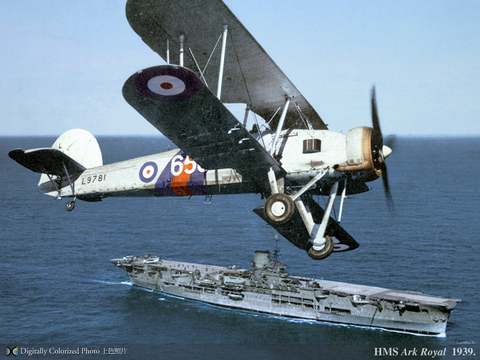
2. - From January 1943 a single high-value naval unit could operate in the Pacific (as happened with HMS Victorious in the Solomon campaign, which operated alongside the USS Saratoga)
3. - From 1945 onwards the Royal Navy can operate freely in the Pacific (creation of the Pacific Fleet under U.S. command).
Kind Regards
Ramón
IJA and IJN co-operated far more than the US - Japan and IMHO closer to Navy - Marines .. Nearly all major operations were army and Navy cooperation
Shanghai landings
Canton Landings
Hainan Island
Vietnam occupation
Malaya landings
PI landings
DEI
Solomons
The IJN move South stuff is before the war ... ( And IMHO ( controversially) refers to South as in Hainan / Canton and has been over stated by western authors after the war top refer to the DEI ) , once the oil embargo hit in 1940 , securing oil for the economy was a national goal .
The next major conflict of interest was over Ceylon but the IJA was over commited at the time that was scheduled.