

CHS 2.x.y LCU OOB TOE Discussion
Moderators: wdolson, Don Bowen, mogami
-
Monter_Trismegistos

- Posts: 1359
- Joined: Tue Feb 01, 2005 8:58 pm
- Location: Gdansk
RE: Japanese Recon Rgt armor
Let's talk about what we have now, not what will be available in future :]
Nec Temere Nec Timide
Bez strachu ale z rozwagą
Bez strachu ale z rozwagą
-
jwilkerson

- Posts: 8272
- Joined: Sun Sep 15, 2002 4:02 am
- Location: Kansas
- Contact:
RE: Japanese Recon Rgt armor
ORIGINAL: Rommel3
Osprey (Battle order 009) mentioned Japanese recon regment have 7~8 light tank or armored car. But did not Specify exact model. Which armor model was used by recon Rgt's early war?
Yes a few did (not all , not most). T94 Tankette was among the types, T92 as well. As in most Armies, the composition of the recon units varied considerably.
WITP Admiral's Edition - Project Lead
War In Spain - Project Lead
War In Spain - Project Lead
-
jwilkerson
- Posts: 8272
- Joined: Sun Sep 15, 2002 4:02 am
- Location: Kansas
- Contact:
RE: Japanese Recon Rgt armor
ORIGINAL: Monter_Trismegistos
Let's talk about what we have now, not what will be available in future :]
What we have now is a group of guys working to flesh out the Russian OB in CHS. I was just alerting you to this. If you are making your own mod, then you have no reason to be concerned. If however, you want to do something that will be compatible with CHS now and in immediate future (the Russian OB changes just barely missed this release) then you might at least appreciate the heads up. But then maybe not.
WITP Admiral's Edition - Project Lead
War In Spain - Project Lead
War In Spain - Project Lead
-
Monter_Trismegistos
- Posts: 1359
- Joined: Tue Feb 01, 2005 8:58 pm
- Location: Gdansk
RE: Japanese Recon Rgt armor
Yeah, my own mod. It will be totally incompatibile with CHS, simply because that I sorted all LCUs...
Nec Temere Nec Timide
Bez strachu ale z rozwagą
Bez strachu ale z rozwagą

RE: CHS 2.x.y LCU OOB TOE Discussion
Rommel3, Hi,
Your original post had a question about Japanese 81mm mortars. As near as I can determine, mostly from Alvin Coox and the various versions of IJ Handbooks, the 81mm and 90mm mortars were not organic to IJA regimental or divisional structures. The 81s and 90s were organized in separate battalions (sometimes termed regiments) (36 to 48 per bn.), commanded by infantry officers, thus termed "infantry mortars", and were "Army level" units.
A battalion might be assigned to a division that, in turn, either parcelled it out on the basis of one company (12 tubes) to each of three infantry battalions, or assigned the whole battalion to a single regiment (or brigade) and let them figure it out.
The 90mm T-94 was used in a similar way. Also, in China, various "C" type units received 90mm mortars in place of the 70mm T-92 Inf. Guns. As the war progressed, Ind. Mixed Brigades also received mortars (either 81mm or 90mm, or a mix of both) in place of battalion or regimental guns; basically, units got whatever was available. The 90mm was additionally the CW delivery system of choice in China, with a particularly effective phosgene round.
I understand that mid war SNLF and other IJN units were organically provided with the 81mm, but I don't know how many, and at which echelon. Perhaps someone will shine some further light on this.
Ciao.
JWE
Your original post had a question about Japanese 81mm mortars. As near as I can determine, mostly from Alvin Coox and the various versions of IJ Handbooks, the 81mm and 90mm mortars were not organic to IJA regimental or divisional structures. The 81s and 90s were organized in separate battalions (sometimes termed regiments) (36 to 48 per bn.), commanded by infantry officers, thus termed "infantry mortars", and were "Army level" units.
A battalion might be assigned to a division that, in turn, either parcelled it out on the basis of one company (12 tubes) to each of three infantry battalions, or assigned the whole battalion to a single regiment (or brigade) and let them figure it out.
The 90mm T-94 was used in a similar way. Also, in China, various "C" type units received 90mm mortars in place of the 70mm T-92 Inf. Guns. As the war progressed, Ind. Mixed Brigades also received mortars (either 81mm or 90mm, or a mix of both) in place of battalion or regimental guns; basically, units got whatever was available. The 90mm was additionally the CW delivery system of choice in China, with a particularly effective phosgene round.
I understand that mid war SNLF and other IJN units were organically provided with the 81mm, but I don't know how many, and at which echelon. Perhaps someone will shine some further light on this.
Ciao.
JWE
-
DuckofTindalos

- Posts: 39781
- Joined: Fri Apr 22, 2005 11:53 pm
- Location: Denmark
RE: CHS 2.x.y LCU OOB TOE Discussion
What about the 150mm mortars, aka "Pistol Pete"?
We are all dreams of the Giant Space Butterfly.
-
jwilkerson
- Posts: 8272
- Joined: Sun Sep 15, 2002 4:02 am
- Location: Kansas
- Contact:
RE: CHS 2.x.y LCU OOB TOE Discussion
ORIGINAL: JWE
Rommel3, Hi,
Your original post had a question about Japanese 81mm mortars. As near as I can determine, mostly from Alvin Coox and the various versions of IJ Handbooks, the 81mm and 90mm mortars were not organic to IJA regimental or divisional structures. The 81s and 90s were organized in separate battalions (sometimes termed regiments) (36 to 48 per bn.), commanded by infantry officers, thus termed "infantry mortars", and were "Army level" units.
A battalion might be assigned to a division that, in turn, either parcelled it out on the basis of one company (12 tubes) to each of three infantry battalions, or assigned the whole battalion to a single regiment (or brigade) and let them figure it out.
The 90mm T-94 was used in a similar way. Also, in China, various "C" type units received 90mm mortars in place of the 70mm T-92 Inf. Guns. As the war progressed, Ind. Mixed Brigades also received mortars (either 81mm or 90mm, or a mix of both) in place of battalion or regimental guns; basically, units got whatever was available. The 90mm was additionally the CW delivery system of choice in China, with a particularly effective phosgene round.
I understand that mid war SNLF and other IJN units were organically provided with the 81mm, but I don't know how many, and at which echelon. Perhaps someone will shine some further light on this.
Ciao.
JWE
JWE .. yes this basically tracks with what we've seen. And some of the CHS later war infantry formations do have these mortars, just not the at start ones.
WITP Admiral's Edition - Project Lead
War In Spain - Project Lead
War In Spain - Project Lead
RE: CHS 2.x.y LCU OOB TOE Discussion
ORIGINAL: jwilkerson
JWE .. yes this basically tracks with what we've seen. And some of the CHS later war infantry formations do have these mortars, just not the at start ones.
Yes, I noticed that. I really like what you folks did in organizing the various JP divisional options. Very large Kudos.
Gotta couple Qs about squads, assault values, etc ... Let's assume an LCU with 324 squads assaults an LCU of 108 squads; that's (ignoring all else) 3:1. But what happens, in the algorithm, if the 108 unit has way more firepower than the 324 unit? Can the 108 unit shoot the 324 unit to pieces before contact? I am reminded of Ichiki (with a local superiority at the beach, albeit a small one) being almost totally extinguished by fire before contact.
One Q is; does it matter what the anti-soft value of a unit is, or is combat just [my pile] v [your pile] = odds1:odds2?
The other Q is; does the defender get to apply their anti-soft values against the attacker before the resulting odds are calculated?
It would be very nice to understand how the combat algorithm works in this regard.
Ciao
JWE
-
jwilkerson
- Posts: 8272
- Joined: Sun Sep 15, 2002 4:02 am
- Location: Kansas
- Contact:
RE: CHS 2.x.y LCU OOB TOE Discussion
ORIGINAL: JWE
ORIGINAL: jwilkerson
JWE .. yes this basically tracks with what we've seen. And some of the CHS later war infantry formations do have these mortars, just not the at start ones.
Yes, I noticed that. I really like what you folks did in organizing the various JP divisional options. Very large Kudos.
Gotta couple Qs about squads, assault values, etc ... Let's assume an LCU with 324 squads assaults an LCU of 108 squads; that's (ignoring all else) 3:1. But what happens, in the algorithm, if the 108 unit has way more firepower than the 324 unit? Can the 108 unit shoot the 324 unit to pieces before contact? I am reminded of Ichiki (with a local superiority at the beach, albeit a small one) being almost totally extinguished by fire before contact.
One Q is; does it matter what the anti-soft value of a unit is, or is combat just [my pile] v [your pile] = odds1:odds2?
The other Q is; does the defender get to apply their anti-soft values against the attacker before the resulting odds are calculated?
It would be very nice to understand how the combat algorithm works in this regard.
Ciao
JWE
Uh, that's a totally different question ... I have not looked at that part of the code, but my understanding is that the defender does get to shoot first and that yes the anti-soft values do matter. Also, yes I have certainly seen smaller units defeat larger ones. The be-all-end-all of ground combat is to get a 2:1 ... getting it is somewhat of a guessing game ... as it is IRL .. but being over supplied helps ... bombing the other guy continuously to reduce his supply certainly helps ... and having as many guys as possible also helps. The only time more is less, is the infamous case where you've got an enemy unit surrounded in a non-base hex ... in that case, just get the 2:1 every turn, any more will cause you additional casualties to no good purpose.
WITP Admiral's Edition - Project Lead
War In Spain - Project Lead
War In Spain - Project Lead
RE: CHS 2.x.y LCU OOB TOE Discussion
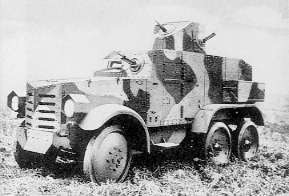
jwilkerson/ Any armored car? my first bet is Aikoku Armored Car
JWE/ Hi [:)]
Thanks for detailed information.
JWE/ Hi [:)]
Thanks for detailed information.

RE: Japanese Recon Rgt armor
ORIGINAL: Monter_Trismegistos
Let's talk about what we have now, not what will be available in future :]
here is a coverted excel sheet showing all independent arty rgts and bn's assigned to the pacitic theatre. This list does not include Coast Arty units I gould get from Stanton.
- Attachments
-
- US_arty_pacific.txt
- (2.59 KiB) Downloaded 21 times

RE: Japanese Recon Rgt armor
And USMC Amphibious Corps Artillery assets:
Amphibious Corps Artillery Assets
1st 155mm Artillery Battalion – 12 x 155mm Howitzer - Organized 12/11/42 in NZ for IMAC.
2nd 155mm Artillery Battalion – 12 x 155mm Gun - Organized 8/1/43 in NZ for IMAC.
These two units were redesignated 1st 155mm Howitzer Battalion and 7th 155mm Gun Battalion on 4/15/44 with the formation of the following units:
1st 155mm Howitzer Battalion - 12 x 155mm Howitzer – Organized 4/15/44 on Guadalcanal.
2nd 155mm Howitzer Battalion - 12 x 155mm Howitzer – Organized 4/16/44 in Hawaii.
3rd 155mm Howitzer Battalion - 12 x 155mm Howitzer – Organized 5/7/44 on Guadalcanal.
4th 155mm Howitzer Battalion - 12 x 155mm Howitzer – Organized 5/7/44 in Hawaii.
5th 155mm Howitzer Battalion - 12 x 155mm Howitzer – Organized 7/10/44 in Hawaii.
6th 155mm Howitzer Battalion - 12 x 155mm Howitzer – Organized 10/26/44 on Guadalcanal.
7th 155mm Gun Battalion - 12 x 155mm Gun – Organized 4/13/44 on Guadalcanal.
8th 155mm Gun Battalion - 12 x 155mm Gun – Organized 5/15/44 on Guadalcanal.
9th 155mm Gun Battalion - 12 x 155mm Gun – Organized 4/13/44 on Guadalcanal.
10th 155mm Gun Battalion - 12 x 155mm Gun – Organized 4/16/44 in Hawaii.
11th 155mm Gun Battalion - 12 x 155mm Gun – Organized 3/15/44 in Hawaii.
12th 155mm Gun Battalion - 12 x 155mm Gun – Organized 4/16/44 in Hawaii.(Redesignated 5th Howitzer
Battalion 7/10/44.)
12th 155mm Gun Battalion - 12 x 155mm Gun – Organized 7/21/44 in Hawaii.
NOTES:
1) Ultimately, the IIIAC controlled the 1st, 3rd, and 6th 155mm Howitzer Battalions, and the 7th, 8th, and 9th 155mm Gun Battalions; and VAC controlled the 2nd, 4th, and 5th 155mm Howitzer Battalions, and the 10th, 11th, and 12th 155mm Gun Battalions.
TOTAL:
IIIAC Corps Artillery – 36 x 155mm Howitzer, 36 x 155mm Gun
VAC Corps Artillery – 36 x 155mm Howitzer, 36 x 155mm Gun
Amphibious Corps Artillery Assets
1st 155mm Artillery Battalion – 12 x 155mm Howitzer - Organized 12/11/42 in NZ for IMAC.
2nd 155mm Artillery Battalion – 12 x 155mm Gun - Organized 8/1/43 in NZ for IMAC.
These two units were redesignated 1st 155mm Howitzer Battalion and 7th 155mm Gun Battalion on 4/15/44 with the formation of the following units:
1st 155mm Howitzer Battalion - 12 x 155mm Howitzer – Organized 4/15/44 on Guadalcanal.
2nd 155mm Howitzer Battalion - 12 x 155mm Howitzer – Organized 4/16/44 in Hawaii.
3rd 155mm Howitzer Battalion - 12 x 155mm Howitzer – Organized 5/7/44 on Guadalcanal.
4th 155mm Howitzer Battalion - 12 x 155mm Howitzer – Organized 5/7/44 in Hawaii.
5th 155mm Howitzer Battalion - 12 x 155mm Howitzer – Organized 7/10/44 in Hawaii.
6th 155mm Howitzer Battalion - 12 x 155mm Howitzer – Organized 10/26/44 on Guadalcanal.
7th 155mm Gun Battalion - 12 x 155mm Gun – Organized 4/13/44 on Guadalcanal.
8th 155mm Gun Battalion - 12 x 155mm Gun – Organized 5/15/44 on Guadalcanal.
9th 155mm Gun Battalion - 12 x 155mm Gun – Organized 4/13/44 on Guadalcanal.
10th 155mm Gun Battalion - 12 x 155mm Gun – Organized 4/16/44 in Hawaii.
11th 155mm Gun Battalion - 12 x 155mm Gun – Organized 3/15/44 in Hawaii.
12th 155mm Gun Battalion - 12 x 155mm Gun – Organized 4/16/44 in Hawaii.(Redesignated 5th Howitzer
Battalion 7/10/44.)
12th 155mm Gun Battalion - 12 x 155mm Gun – Organized 7/21/44 in Hawaii.
NOTES:
1) Ultimately, the IIIAC controlled the 1st, 3rd, and 6th 155mm Howitzer Battalions, and the 7th, 8th, and 9th 155mm Gun Battalions; and VAC controlled the 2nd, 4th, and 5th 155mm Howitzer Battalions, and the 10th, 11th, and 12th 155mm Gun Battalions.
TOTAL:
IIIAC Corps Artillery – 36 x 155mm Howitzer, 36 x 155mm Gun
VAC Corps Artillery – 36 x 155mm Howitzer, 36 x 155mm Gun
WitE Alpha/Beta Tester
WitE Research Team
WitE2.0 Alpha/Beta Tester
WitE2.0 Research Team
WitW Alpha/Beta Tester
WitW Research Team
Piercing Fortress Europa Research Team
Desert War 1940-1942 Alpha/Beta Tester
WitE Research Team
WitE2.0 Alpha/Beta Tester
WitE2.0 Research Team
WitW Alpha/Beta Tester
WitW Research Team
Piercing Fortress Europa Research Team
Desert War 1940-1942 Alpha/Beta Tester
-
Monter_Trismegistos
- Posts: 1359
- Joined: Tue Feb 01, 2005 8:58 pm
- Location: Gdansk
RE: Japanese Recon Rgt armor
Yeah! You are great guys! That's what I've looked for!
Nec Temere Nec Timide
Bez strachu ale z rozwagą
Bez strachu ale z rozwagą
SeaBees
Attention everyone, what I really need is information/sources on SeeBee (Naval Construction BN's) units, specifically something that gives their TO&E, as well as their OOB for the Pacific. I have a good handle one their developement. owever, I have read in several sources that by midwar in the Pacific they were being controlled in regimentl like OOB's. Any help here is appreciated as I would like to be able to form many of the later arriving units into regiments to free up LCU spaces. [&o]
RE: SeaBees
"Seabees"
Naval Construction Battalion – “Typical” T/O Structure
HQ Company
Naval Construction Company
---HQ
---Maintenance and Operations Platoon
---Construction Platoon
---Construction Platoon
---Road Blasting and Excavation Platoon
---Waterfront Platoon
---Tanks, Steel, and Pipes Platoon
Naval Construction Company
---HQ
---Maintenance and Operations Platoon
---Construction Platoon
---Construction Platoon
---Road Blasting and Excavation Platoon
---Waterfront Platoon
---Tanks, Steel, and Pipes Platoon
Naval Construction Company
---HQ
---Maintenance and Operations Platoon
---Construction Platoon
---Construction Platoon
---Road Blasting and Excavation Platoon
---Waterfront Platoon
---Tanks, Steel, and Pipes Platoon
Naval Construction Company
---HQ
---Maintenance and Operations Platoon
---Construction Platoon
---Construction Platoon
---Road Blasting and Excavation Platoon
---Waterfront Platoon
---Tanks, Steel, and Pipes Platoon
NOTES:
1) This organization represents the “typical” Naval Construction Battalion. This organization could vary depending upon the unit’s task.
2) The Naval Construction Battalions assigned to the Marine Divisions starting with the 7/1/42 “D-100” Series T/O only contained 3 companies. All other Naval Construction Battalions contained 4. The Naval Construction Battalions were removed from the divisional T/O starting with the 5/5/44 “F-100” Series. The Naval Construction Battalions attached to Marine Divisions, and to IIIAC, are as follows:
18th Naval Construction Battalion – 3rd Battalion/18th Marines/2nd Marine Division
19th Naval Construction Battalion – 3rd Battalion/17th Marines/1st Marine Division
25th Naval Construction Battalion – 3rd Battalion/19th Marines/3rd Marine Division
121st Naval Construction Battalion – 3rd Battalion/20th Marines/4th Marine Division
53rd Naval Construction Battalion – IIIAC corps asset.
Sources:
Anon., “Building the Navy’s Bases in World War II,” 2 Volumes, US Government Printing Office, Washington, DC, 1947.
Castillo, Edmund L., “Seabees of World War II,” Random House, New York, NY, 1963.
Huie, William Bradford, “Can Do! – The Story of the Seabees,” E.P. Dutton & Co., Inc., New York, NY, 1944.
Wyatt, George W., “Super Breed – A Journal of the First Marine Engineers, Pioneers, and Seabees,” Wyatt Publishing Co., Inc., Tulsa, OK, 1990.
“Building the Navy’s Bases in World War II” is the best source on the Seabees that I've found so far....
Brad
Naval Construction Battalion – “Typical” T/O Structure
HQ Company
Naval Construction Company
---HQ
---Maintenance and Operations Platoon
---Construction Platoon
---Construction Platoon
---Road Blasting and Excavation Platoon
---Waterfront Platoon
---Tanks, Steel, and Pipes Platoon
Naval Construction Company
---HQ
---Maintenance and Operations Platoon
---Construction Platoon
---Construction Platoon
---Road Blasting and Excavation Platoon
---Waterfront Platoon
---Tanks, Steel, and Pipes Platoon
Naval Construction Company
---HQ
---Maintenance and Operations Platoon
---Construction Platoon
---Construction Platoon
---Road Blasting and Excavation Platoon
---Waterfront Platoon
---Tanks, Steel, and Pipes Platoon
Naval Construction Company
---HQ
---Maintenance and Operations Platoon
---Construction Platoon
---Construction Platoon
---Road Blasting and Excavation Platoon
---Waterfront Platoon
---Tanks, Steel, and Pipes Platoon
NOTES:
1) This organization represents the “typical” Naval Construction Battalion. This organization could vary depending upon the unit’s task.
2) The Naval Construction Battalions assigned to the Marine Divisions starting with the 7/1/42 “D-100” Series T/O only contained 3 companies. All other Naval Construction Battalions contained 4. The Naval Construction Battalions were removed from the divisional T/O starting with the 5/5/44 “F-100” Series. The Naval Construction Battalions attached to Marine Divisions, and to IIIAC, are as follows:
18th Naval Construction Battalion – 3rd Battalion/18th Marines/2nd Marine Division
19th Naval Construction Battalion – 3rd Battalion/17th Marines/1st Marine Division
25th Naval Construction Battalion – 3rd Battalion/19th Marines/3rd Marine Division
121st Naval Construction Battalion – 3rd Battalion/20th Marines/4th Marine Division
53rd Naval Construction Battalion – IIIAC corps asset.
Sources:
Anon., “Building the Navy’s Bases in World War II,” 2 Volumes, US Government Printing Office, Washington, DC, 1947.
Castillo, Edmund L., “Seabees of World War II,” Random House, New York, NY, 1963.
Huie, William Bradford, “Can Do! – The Story of the Seabees,” E.P. Dutton & Co., Inc., New York, NY, 1944.
Wyatt, George W., “Super Breed – A Journal of the First Marine Engineers, Pioneers, and Seabees,” Wyatt Publishing Co., Inc., Tulsa, OK, 1990.
“Building the Navy’s Bases in World War II” is the best source on the Seabees that I've found so far....
Brad
WitE Alpha/Beta Tester
WitE Research Team
WitE2.0 Alpha/Beta Tester
WitE2.0 Research Team
WitW Alpha/Beta Tester
WitW Research Team
Piercing Fortress Europa Research Team
Desert War 1940-1942 Alpha/Beta Tester
WitE Research Team
WitE2.0 Alpha/Beta Tester
WitE2.0 Research Team
WitW Alpha/Beta Tester
WitW Research Team
Piercing Fortress Europa Research Team
Desert War 1940-1942 Alpha/Beta Tester
RE: SeaBees
ORIGINAL: Brad Hunter
"Seabees"
Naval Construction Battalion – “Typical” T/O Structure
HQ Company
Naval Construction Company
---HQ
---Maintenance and Operations Platoon
---Construction Platoon
---Construction Platoon
---Road Blasting and Excavation Platoon
---Waterfront Platoon
---Tanks, Steel, and Pipes Platoon
Naval Construction Company
---HQ
---Maintenance and Operations Platoon
---Construction Platoon
---Construction Platoon
---Road Blasting and Excavation Platoon
---Waterfront Platoon
---Tanks, Steel, and Pipes Platoon
Naval Construction Company
---HQ
---Maintenance and Operations Platoon
---Construction Platoon
---Construction Platoon
---Road Blasting and Excavation Platoon
---Waterfront Platoon
---Tanks, Steel, and Pipes Platoon
Naval Construction Company
---HQ
---Maintenance and Operations Platoon
---Construction Platoon
---Construction Platoon
---Road Blasting and Excavation Platoon
---Waterfront Platoon
---Tanks, Steel, and Pipes Platoon
NOTES:
1) This organization represents the “typical” Naval Construction Battalion. This organization could vary depending upon the unit’s task.
2) The Naval Construction Battalions assigned to the Marine Divisions starting with the 7/1/42 “D-100” Series T/O only contained 3 companies. All other Naval Construction Battalions contained 4. The Naval Construction Battalions were removed from the divisional T/O starting with the 5/5/44 “F-100” Series. The Naval Construction Battalions attached to Marine Divisions, and to IIIAC, are as follows:
18th Naval Construction Battalion – 3rd Battalion/18th Marines/2nd Marine Division
19th Naval Construction Battalion – 3rd Battalion/17th Marines/1st Marine Division
25th Naval Construction Battalion – 3rd Battalion/19th Marines/3rd Marine Division
121st Naval Construction Battalion – 3rd Battalion/20th Marines/4th Marine Division
53rd Naval Construction Battalion – IIIAC corps asset.
Sources:
Anon., “Building the Navy’s Bases in World War II,” 2 Volumes, US Government Printing Office, Washington, DC, 1947.
Castillo, Edmund L., “Seabees of World War II,” Random House, New York, NY, 1963.
Huie, William Bradford, “Can Do! – The Story of the Seabees,” E.P. Dutton & Co., Inc., New York, NY, 1944.
Wyatt, George W., “Super Breed – A Journal of the First Marine Engineers, Pioneers, and Seabees,” Wyatt Publishing Co., Inc., Tulsa, OK, 1990.
“Building the Navy’s Bases in World War II” is the best source on the Seabees that I've found so far....
Brad
Thanks.. now I need to try to find some of these sources... the one thing about living in Alaska is the inability to pack up and take a road trip to a good Library... or good WWII archives.
RE: SeaBees
Using "Bookfinder.com," there are several copies of both volumes of "Building the Navy's Bases in Word War II" available for $150-$175 for the set. That's easier than a roadtrip.....
WitE Alpha/Beta Tester
WitE Research Team
WitE2.0 Alpha/Beta Tester
WitE2.0 Research Team
WitW Alpha/Beta Tester
WitW Research Team
Piercing Fortress Europa Research Team
Desert War 1940-1942 Alpha/Beta Tester
WitE Research Team
WitE2.0 Alpha/Beta Tester
WitE2.0 Research Team
WitW Alpha/Beta Tester
WitW Research Team
Piercing Fortress Europa Research Team
Desert War 1940-1942 Alpha/Beta Tester
RE: SeaBees
ORIGINAL: Brad Hunter
Using "Bookfinder.com," there are several copies of both volumes of "Building the Navy's Bases in Word War II" available for $150-$175 for the set. That's easier than a roadtrip.....
Actually I found a used copy through ABE Books for $30 (Vol. I). There is also a new book publised that documents all the Naval Construction BNs activities individually. Found it at Amazon.com

RE: SeaBees
ORIGINAL: AlaskanWarrior
Actually I found a used copy through ABE Books for $30 (Vol. I). There is also a new book publised that documents all the Naval Construction BNs activities individually. Found it at Amazon.com
Please post ISBN of the new book...
-
el cid again
- Posts: 16984
- Joined: Mon Oct 10, 2005 4:40 pm
RE: CHS 2.x.y LCU OOB TOE Discussion
Many people familiar with Australia - or sailing these waters - complained that Thursday Island was on the wrong side of the Strait. Andrew fixed it and it is indeed an important island. There is no particular infrastructure anywhere nearby - and it is a vital point for monitoring the Torres Strait.
Japan did operate pearl divers in the area - who also gathered pre war intel about the place. It is a remote area and was a tiny naval station when the war began. It was important due to its location and ability to actually anchor ships - which is not that common in this coral infested area. Almost any vessel transiting below New Guinea must be at risk of detection by patrols out of Thursday island.
Japan did operate pearl divers in the area - who also gathered pre war intel about the place. It is a remote area and was a tiny naval station when the war began. It was important due to its location and ability to actually anchor ships - which is not that common in this coral infested area. Almost any vessel transiting below New Guinea must be at risk of detection by patrols out of Thursday island.