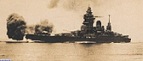
This day has been uncommonly quiet. Plenty of air and sea missions on both sides but very little has come out of it. No ships sunk on either side and only a few aircraft have been lost. Could it be a sort of shock after the heavy fighting on the beaches of Bandjermasin? Because the landings there turned into a nightmare and disaster for the US forces. As they started on the morning of the 27th reports on heavy losses immediately started to pour in, the enemy’s defences seemed to have been very much under-estimated, his CD artillery was over-whelming. There had been some lack of coordination between the various landing units, too – the large landing craft convoy with the 4th Marines Raider Battalion aboard was a day delayed and other units, among them the 21st Marines, were not complete. Several bombardment groups were in swing but only on the same morning as the landings started. Most of the bomber units within range were concentrated against the airfields around Soerebaja to keep the enemy’s air assets away from the invasion fleet. Even then a powerful enemy torpedo-plane group got through in spite of more than 70 carrier fighters going up to meet them. The bomber escorts were so numerous that two Bettys were able to hit carrier Lexington with two torpedoes. Fortunately, the damage wasn’t that bad, she could still keep her position in the three-carrier task force.
Heavy losses continued to mount on the second day and there were indications that the 503rd Airborne Brigade had achieved very little after their first insertions. Actually, it was more or less eradicated in spite of jumping from a hundred-plus transport-plane formation. The three Marines Para Battalions never came to board their planes. Doubts started to creep in. Some units re-embarked but was sent in again. On the evening of the third day it was clear that the invasion had miscarried. Only a small part of the landed forces was able to get out of the trap, the retreating ships were directed to Macassar and Kendari. Several support, construction and Seabee units that hadn’t started landing were called back and re-directed to allied-held Madjene and Pare Pare on the south-western coast of Celebes, to start building bases for an eventual later attempt, alternatively to cork up the Celebes Strait from there.
General MacArthur took the downfall surprisingly well, he has gone to Macassar to rebuild the spirits of the beaten Marines. After a meeting there on the 31st a report was filed: The operation had been well enough planned, except for a few miscalculations. Firstly, the intelligence on the enemy’s dispositions and strength had been inferior, the enemy was much stronger than anticipated. Some units had not been properly amphibiously loaded as well as understrength in the sense that not all of them went in simultaneously. The bomber force should not have been used against Soerebaja but rather against the main object, Bandjermasin. The naval bombardment was too weak and should have been repeated during the days before the invasion. Same for the bombers. The various landing convoys did not have enough individual naval support.
While this was going on another Japanese attempt was made to break the Formosa Strait blockade. Two enemy cruiser forces were detected by the escort carriers Copahee and Long Island patrolling south of Hong Kong. It was correctly deduced that they waited for an opportunity to dash through the Formosa Strait to the homeland. These major ships were identified as the heavy cruisers Myoko and Kinugasa. Myoko had been claimed sunk only a few days before but this is nothing new. As dive bombers from the escort carriers started to find their range the enemy did not find it sound to linger any longer and started eastwards, but not until both had received some damage from SBD’s. During the following day both were sunk by a combination bombers and heavy naval forces operating from Penghu. A trap, involving battleship Tennessee and heavy cruisers Vincennes, Quincy and Louisville was set up. As they were almost through the strait the slowed-down Kinugasa was hit by more bombers and a well-placed torpedo from SS Pogy. That did the trick even if she was never seen going down. Renewed attacks by B-25’s, A-24’s and SBD’s flying from Penghu further slowed down Myoko. She was finally given the death knell as she was caught up with by Quincy and a destroyer detachment. Destroyer Hayate also went down with her.
The last few days several enemy convoys have been reported trying to slink through the gap between Tasmania and New Zealand. Some have probably managed it, too - the net is still not perfect. Battleship Oklahoma with her two destroyer friends have been particularly effective. On the 30th they hunted down three transports and an escort sub-chaser in three consecutive skirmishes in bad weather. SS Salmon and S-40 have also done good work, claiming torpedo hits on four different enemy ships. Presently, Oklahoma is on her way to Hobart to replenish. However, more allied ships are on their way to the area, among them the new escort carrier Nassau with battleship New Mexico and a destroyer. MacArthur puts much importance in blocking this enemy connection to his homeland.
Fred