

Maj. Gen Benjamin Franklin Butler, AKA Beast Butler, AKA Spoons Butler
Moderator: Gil R.

Maj. Gen Benjamin Franklin Butler, AKA Beast Butler, AKA Spoons Butler
Maj. Gen Benjamin Franklin Butler, USA (b.1818, d. 1893) Butler was born in Deerfield, New Hampshire, on 5 November 1818. His father had been a captain of dragoons, ironically seeing service at the Battle of New Orleans. There is some evidence that his father was a pirate, he was certainly a privateer, and died of yellow fever leaving his family destitute. Butler was raised by his mother who owned a boarding house in Lowell, Massachusetts. As a boy he dreamed of a military career; his mother was determined her son would become a minister. Butler wished to attend West Point; at his mother’s insistence he attended Colby College and graduated in 1838. He studied law and passed the Massachusetts bar in 1840, and in 1845 was admitted to practice before the U.S. Supreme Court. As an attorney he secured legal title to the gold rush lands for the owners of Sutter’s Mill. Though a Democrat, Butler was an elected militia brigadier-general in Massachusetts, and quickly moved his command south following the opening of hostilities at Fort Sumter. With the capital nearly isolated, he landed at Annapolis and marched to Washington, rebuilding the railroad along the way. After pacifying Baltimore, Lincoln made Butler the first Major General of volunteers, with date of rank of May 16, 1861. MG Butler, the senior general officer of the volunteer forces, was assigned to command Fort Monroe. Butler launched the first offensive of the war; at the Battle of Big Bethel his troops were repulsed. In this, the first of many battles in Virginia, the Union took 79 casualties while the Confederacy suffered 8, with 1 killed and 7 wounded. While in command of Fort Monroe Butler established the policy, adopted by the whole Union Army, of legally defining runaway slaves as “contraband”, or seized enemy property. In August 1861 Butler next led his troops in the successful amphibious campaign against Fort Hatteras. This experience led to Butler being assigned to command the land forces in the campaign against New Orleans. Butler’s troops occupied the city in April 1862 under threat of naval bombardment. Butler’s tenure as military governor of New Orleans was riddled with controversy, and earned him the nicknames “Beast”, for hanging a man who hauled down the US flag, and “Spoons” for stealing everything right down to the silverware. His most infamous order though was No. 28, in which he ordered that “any female shall, by word, or gesture, or movement, insult or show contempt for any officer or soldier of the United States…shall be treated as a woman of the town plying her avocation." Butler was one of the most hated men in the south, and is still reviled in New Orleans. Relieved of command of the Department of the Gulf in December 1862, Butler’s next assignment was command of the Army of the James. Assigned a supporting role in Grant’s advance on Richmond in May of 1864, Butler was bottled up in a series of battles around Bermuda Hundred by Confederate troops under Gen. P.G.T. Beauregard of New Orleans. Butlers final battle was the fiasco at Fort Fisher, following this failure Grant relieved him of command on 8 January 1865. After the war Butler was elected as a Republican to the U.S. House of Representatives in 1866, re-elected 3 times, and elected once as a Greenback in 1878. As a Radical Republican, Butler proposed that the map of the South be redrawn to eliminate the rebel states forever. During the impeachment trial of President Johnson, Butler was the lead speaker for the prosecution. Butler was elected governor of Massachusetts 1882; Harvard broke its tradition of awarding a degree to the new governor. In 1884 he was the Anti-Monopoly party candidate for the president. Butler contracted pneumonia and died in the Washington on January 11, 1893.
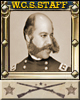
RE: Maj. Gen Benjamin Franklin Butler, AKA Beast Butler, AKA Spoons Butler
Thanks! Already processed. You did a very nice job with this.
Maj. Gen. Benjamin Franklin Butler (b. 1818, d. 1893). Butler was born in Deerfield, New Hampshire, on November 5, 1818. His father had been a captain of dragoons, ironically seeing service at the Battle of New Orleans. There is some evidence that his father was a pirate, but he was certainly a privateer, and left his family destitute after dying of yellow fever. Butler was raised by his mother, who owned a boarding house in Lowell, Massachusetts. As a boy he dreamed of a military career; his mother was determined her son would become a minister. Butler wished to attend West Point, but at his mother’s insistence he attended Colby College and graduated in 1838. He studied law and passed the Massachusetts bar in 1840, and in 1845 was admitted to practice before the U.S. Supreme Court. As an attorney he secured legal title to the gold rush lands for the owners of Sutter’s Mill. Though a Democrat, Butler was an elected militia brigadier-general in Massachusetts, and quickly moved his command south following the opening of hostilities at Fort Sumter. With the nation’s capital nearly isolated, he landed at Annapolis and marched to Washington, rebuilding the railroad along the way. After pacifying Baltimore, Pres. Abraham Lincoln made Butler the first Major General of volunteers, effective May 16, 1861. Butler, the senior general officer of the volunteer forces, was assigned to command Fort Monroe in Hampton, Virginia. On June 10 he launched the first offensive action of the war, known as the Battle of Big Bethel, but his troops were repulsed, and took 79 casualties to the eight suffered by the Confederacy (1 killed, 7 wounded). While in command of Fort Monroe, Butler famously established the policy, adopted by the whole Union Army, of legally defining runaway slaves as “contraband,” or seized enemy property. In August 1861, Butler led his troops in the successful amphibious campaign against Fort Hatteras. This experience led to Butler being assigned to command the land forces in the campaign against New Orleans. Butler’s troops occupied the city in April 1862, threatening naval bombardment. Butler’s tenure as military governor of New Orleans was riddled with controversy, and earned him the nicknames “Beast,” for hanging a man who hauled down the U.S. flag, and “Spoons,” for stealing everything right down to the silverware. His most infamous order, though, was General Order No. 28, in which he ordered that “when any female shall, by word, or gesture, or movement, insult or show contempt for any officer or soldier of the United States, she shall be treated as a woman of the town plying her avocation." Butler was one of the most hated men in the South, and is still reviled in New Orleans. Relieved of command of the Department of the Gulf in December 1862, Butler’s next assignment was command of the Army of the James. He was assigned a supporting role in Gen. Ulysses S. Grant’s advance on Richmond in May of 1864, and was bottled up in a series of battles around Bermuda Hundred by Confederate troops under Gen. P.G.T. Beauregard of New Orleans. Butler’s final battle was the fiasco at Fort Fisher; following this failure Grant relieved him of command on January 8, 1865. After the war Butler was elected to the U.S. House of Representatives as a Republican four times beginning in 1866, and once more as a Greenback in 1878. As a Radical Republican, Butler proposed that the map of the South be redrawn to eliminate the rebel states forever. During the impeachment trial of Pres. Andrew Johnson, Butler was the lead speaker for the prosecution. Butler was elected governor of Massachusetts 1882, in response to which Harvard broke its tradition of awarding a degree to the new governor. Why did Harvard do this? There might not be space to say (we’re at 3900 chars. already), but if the reason is interesting I might be able to squeeze it in. In 1884, he was the Anti-Monopoly party candidate for president. Butler contracted pneumonia and died in the Washington on January 11, 1893. (Bio by Michael Jennings)
Maj. Gen. Benjamin Franklin Butler (b. 1818, d. 1893). Butler was born in Deerfield, New Hampshire, on November 5, 1818. His father had been a captain of dragoons, ironically seeing service at the Battle of New Orleans. There is some evidence that his father was a pirate, but he was certainly a privateer, and left his family destitute after dying of yellow fever. Butler was raised by his mother, who owned a boarding house in Lowell, Massachusetts. As a boy he dreamed of a military career; his mother was determined her son would become a minister. Butler wished to attend West Point, but at his mother’s insistence he attended Colby College and graduated in 1838. He studied law and passed the Massachusetts bar in 1840, and in 1845 was admitted to practice before the U.S. Supreme Court. As an attorney he secured legal title to the gold rush lands for the owners of Sutter’s Mill. Though a Democrat, Butler was an elected militia brigadier-general in Massachusetts, and quickly moved his command south following the opening of hostilities at Fort Sumter. With the nation’s capital nearly isolated, he landed at Annapolis and marched to Washington, rebuilding the railroad along the way. After pacifying Baltimore, Pres. Abraham Lincoln made Butler the first Major General of volunteers, effective May 16, 1861. Butler, the senior general officer of the volunteer forces, was assigned to command Fort Monroe in Hampton, Virginia. On June 10 he launched the first offensive action of the war, known as the Battle of Big Bethel, but his troops were repulsed, and took 79 casualties to the eight suffered by the Confederacy (1 killed, 7 wounded). While in command of Fort Monroe, Butler famously established the policy, adopted by the whole Union Army, of legally defining runaway slaves as “contraband,” or seized enemy property. In August 1861, Butler led his troops in the successful amphibious campaign against Fort Hatteras. This experience led to Butler being assigned to command the land forces in the campaign against New Orleans. Butler’s troops occupied the city in April 1862, threatening naval bombardment. Butler’s tenure as military governor of New Orleans was riddled with controversy, and earned him the nicknames “Beast,” for hanging a man who hauled down the U.S. flag, and “Spoons,” for stealing everything right down to the silverware. His most infamous order, though, was General Order No. 28, in which he ordered that “when any female shall, by word, or gesture, or movement, insult or show contempt for any officer or soldier of the United States, she shall be treated as a woman of the town plying her avocation." Butler was one of the most hated men in the South, and is still reviled in New Orleans. Relieved of command of the Department of the Gulf in December 1862, Butler’s next assignment was command of the Army of the James. He was assigned a supporting role in Gen. Ulysses S. Grant’s advance on Richmond in May of 1864, and was bottled up in a series of battles around Bermuda Hundred by Confederate troops under Gen. P.G.T. Beauregard of New Orleans. Butler’s final battle was the fiasco at Fort Fisher; following this failure Grant relieved him of command on January 8, 1865. After the war Butler was elected to the U.S. House of Representatives as a Republican four times beginning in 1866, and once more as a Greenback in 1878. As a Radical Republican, Butler proposed that the map of the South be redrawn to eliminate the rebel states forever. During the impeachment trial of Pres. Andrew Johnson, Butler was the lead speaker for the prosecution. Butler was elected governor of Massachusetts 1882, in response to which Harvard broke its tradition of awarding a degree to the new governor. Why did Harvard do this? There might not be space to say (we’re at 3900 chars. already), but if the reason is interesting I might be able to squeeze it in. In 1884, he was the Anti-Monopoly party candidate for president. Butler contracted pneumonia and died in the Washington on January 11, 1893. (Bio by Michael Jennings)
Michael Jordan plays ball. Charles Manson kills people. I torment eager potential customers by not sharing screenshots of "Brother Against Brother." Everyone has a talent.
RE: Maj. Gen Benjamin Franklin Butler, AKA Beast Butler, AKA Spoons Butler
By the way, Butler is the only 100-percenter who gets no teachable special abilities. Somehow, I don't expect a groundswell of opposition to this decision...
Michael Jordan plays ball. Charles Manson kills people. I torment eager potential customers by not sharing screenshots of "Brother Against Brother." Everyone has a talent.
RE: Maj. Gen Benjamin Franklin Butler, AKA Beast Butler, AKA Spoons Butler
ORIGINAL: Gil R.
T Why did Harvard do this? There might not be space to say (we’re at 3900 chars. already), but if the reason is interesting I might be able to squeeze it in.
I should have phrased it better, Harvard traditionally awarded a degree to new govs., but did not do so for Butler, because they did not want to honor him. I've got the research done on the rest of my generals, will try and get them to you this weekend.
RE: Maj. Gen Benjamin Franklin Butler, AKA Beast Butler, AKA Spoons Butler
Okay, I reworded it to say that the university broke its tradition of honoring the new governor with a degree, which is a bit more clear. Butler's now in the datafile.
Michael Jordan plays ball. Charles Manson kills people. I torment eager potential customers by not sharing screenshots of "Brother Against Brother." Everyone has a talent.
-
General Quarters
- Posts: 1059
- Joined: Sun Dec 03, 2006 1:08 pm
RE: Maj. Gen Benjamin Franklin Butler, AKA Beast Butler, AKA Spoons Butler
From past reading, I had an impression of Butler as always a self-serving, corrupt politician who, however, was very politically astute and skillfull. He became political boss of Massachusetts during the Grant era and a bit beyond. People finally got tired of his act.
As he faded, he kept trying for comebacks by getting more and more demogogic. He ran for Governor as Greenback-Democrat. This was during the period of the decline of the Greenback Party and just before the rise of the Populists. The Greenback position -- which was to help debtors by inflating the currency (just printing more greenbacks) -- was considered a quack and demogogic one. But it was sometimes quite popular in a given area. Butler combined it with pro-labor positions such as an 8-hour workday and keeping out Asian workers.
In 1884, in the closely fought election between Cleveland and Blaine, the Greenback party was just a rump organization. So Butler grabbed it and ran for president, funded secretly by Republicans who hoped he would draw away from Irish Catholic votes in New York (which Blaine lost by a hair -- perhaps because one of his supporters denounced the Dems as the party of "rum, Romanism, and rebellion" -- and lost the election).
So Butler was considerably more disreputable and vastly more corrupt than, say, Pat Buchanan, who would have had a fat chance of a Harvard degree no matter what office he won.
As he faded, he kept trying for comebacks by getting more and more demogogic. He ran for Governor as Greenback-Democrat. This was during the period of the decline of the Greenback Party and just before the rise of the Populists. The Greenback position -- which was to help debtors by inflating the currency (just printing more greenbacks) -- was considered a quack and demogogic one. But it was sometimes quite popular in a given area. Butler combined it with pro-labor positions such as an 8-hour workday and keeping out Asian workers.
In 1884, in the closely fought election between Cleveland and Blaine, the Greenback party was just a rump organization. So Butler grabbed it and ran for president, funded secretly by Republicans who hoped he would draw away from Irish Catholic votes in New York (which Blaine lost by a hair -- perhaps because one of his supporters denounced the Dems as the party of "rum, Romanism, and rebellion" -- and lost the election).
So Butler was considerably more disreputable and vastly more corrupt than, say, Pat Buchanan, who would have had a fat chance of a Harvard degree no matter what office he won.