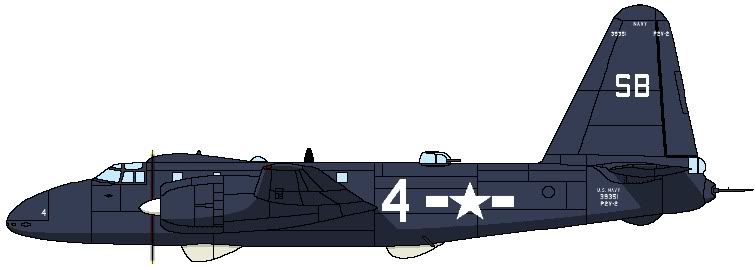
Lockheed P2V-2 Neptune, since the Neptune didn't actually see squadron service until well after the war (1947-8), the markings are highly speculative. But, here is what it would've looked like if it had been given a higher priority:
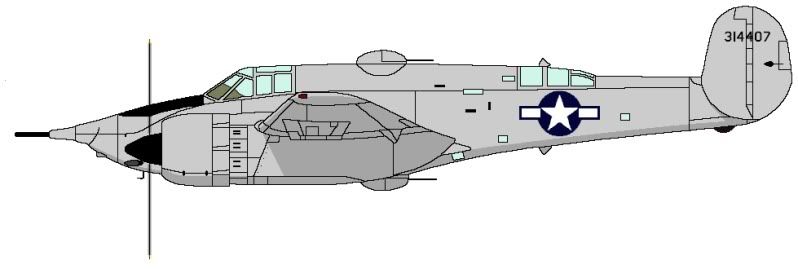
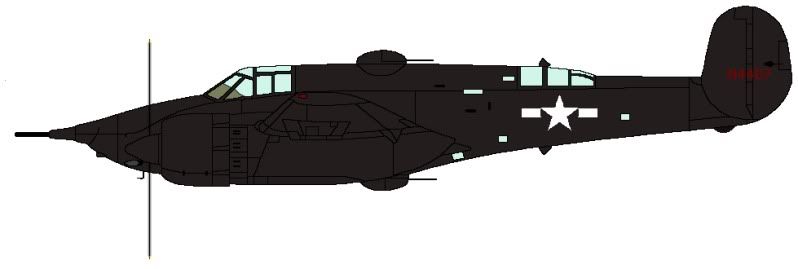
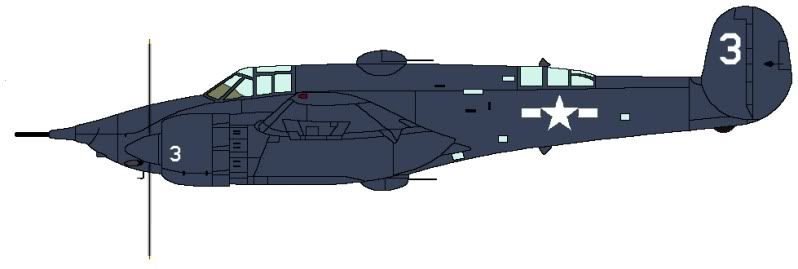
Indeed, however from what I could glean about the Grizzly it was a thoroughbred, done in more by the fact that it used the same engines as the B-29 than anything else. It also didn't help that a little thing called the jet engine had come along either. The Grizzly was armed with a 75mm cannon, 2 FF .50 cals and 4 turret mounted .50's, as well as 2000 pounds of additional ordinance! A fascinating "what-if"!
"Our lives begin to end the moment we become silent about things that matter". Dr. Martin Luther King, Jr.
Indeed, however from what I could glean about the Grizzly it was a thoroughbred, done in more by the fact that it used the same engines as the B-29 than anything else. It also didn't help that a little thing called the jet engine had come along either.
You've pretty much summarized a major reason why a lot of "what if" projects died.
1.) Lack of Engines -- either the original engines for them never materialized; or were being used for the B-29 or follow-on programs. There are unlimited R-2800s; not so R-3350s...
2.) Jets -- now everyone wants JET PROPELLED PERFORMANCE. It became the buzzword.
That said; it's a crying crying shame the XA-38 was never put into service; it actually had very nice and docile handling characteristics for it's performance -- something a lot of experimental planes didn't have *cough northrop flying wings cough*.
The first version of the B-33 design, the XB-33, was a twin-tailed medium bomber with two Wright R-3350 engines and pressurised crew compartments; its design began in 1940. It would carry around 4,000 lb (1,814 kg) of bombs. Soon after design of the XB-33 began it became clear that a twin-engined aircraft would not achieve the performance requested by the army. The company moved on to developing a larger four-engined design and the two prototypes ordered by the USAAF were not built.
B-33A
Following the abandoment of the original twin-engined design the company continued to design a larger four-engined design and two prototypes were ordered by the USAAF as the XB-33A; its bombload was to have been 12,000 lb (5,443 kg), as much as that of the B-24 Liberator, the heaviest US bomber flown in combat prior to the B-29.
The original XB-33 design was to be powered by the R-3350, the redesigned XB-33A was to use Wright R-2600 engines. The main reason for this was demand for R-3350s for the B-29, one of the most highly valued projects of the Army Air Forces.
On January 17, 1942, the USAAF placed an order for 400 B-33As to be built at the government-owned plant in Omaha, Nebraska operated by Martin. On November 25, 1942 the project was cancelled to allow the Omaha plant to concentrate on manufacturing B-29s.
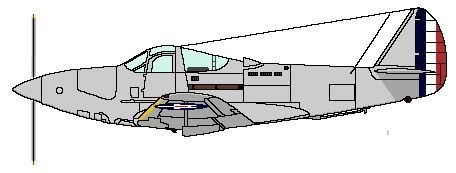
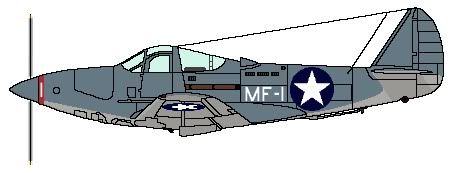
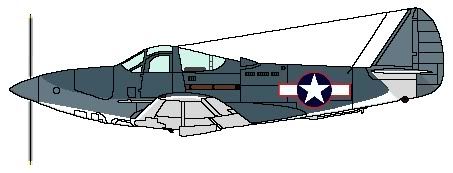
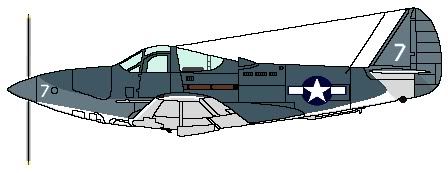
Next up the Bell XFL-1 Airabonita, which was basically a navalized P-39. The aircraft was produced for the same proposal that brought about the Chance-Vought XF4U and Grumman XF5F. It had too many things working against it, such as unsolvable stability problems and chronically weak landing gear, as well as the fact that the Navy had banned the highly flammable coolant that in-line engines required from carriers and only one airframe was produced, but again an interesting "what-if":
I did not do rotating art for the FL Airacomet and for the P-50 Skyrocket because I was a bit tired of the whole thing by then.
Version 2 of course will add the AXIS (Japanese+German+Thai).
There are about 11 Allied aircraft slots left; which is why I'm a bit worried.
There's room to add the French into the game as a what if -- what if Vichy France had not completely folded to the Japanese; but I am very ambivalent on that -- since I'm sure MMR will come up with some new AWESOME units for the USN/USAF/UK.