Another morning, another early rise. 62-year-old ”Temporary Lieutenant” Stephen Polkinghorn yawns as his eyes strain to pierce the darkness and the haze in Shanghai harbour. With two and a half an hour to sunrise, he can barely see the black blobs of ships at anchor surrounding his command – the proud and mighty river gunboat HMS Peterel. As a conscientious officer, Polkinghorn has assigned the early morning watch to himself, despite his age. In these dangerous times - war in Europe and international tensions in Asia - it is imperative to be on one’s guard. If things turn hot in Asia as well, the party will probably start at first light.
While the Lt’s eyes sweep through the darkness, he lets his mind wander. HMS Peterel might be a small old tub, but she is his command and he is proud of her and her role. Her size and armament can hardly be called impressive, but she is doing her duty – protecting the Commonwealth members of the International Settlement at Shanghai, a Chinese city occupied by the Japanese. His small ship upholds the flag of Great Britain, the tradition of the “China gunboats” on the Yangtze Station and the honour of the Royal Navy. A huge responsibility for a mere Lt.! But Polkinghorn has stood enough morning watches at Shanghai harbour to think about it. The depressing truth - in the big picture, HMS Peterel, her crew and Lieutenant Polkinghorn are just expendables.
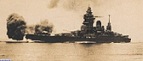
Time ticks away, darkness starts to yield to the coming morning. The dark blobs on the water are taking shape. Across the harbour, a scant 1000 yards away, the huge menacing shape of the old Japanese cruiser Izumo rides at anchor - as the Shanghai station ship of the IJN has done the day before and for many days before that. The two ships, small Peterel and huge Izumo have been eyeing each other suspiciously for weeks. Like two dogs guarding their territory. Polkinghorn remembers his courtesy visit on the outdated cruiser – “She’s just 20 years younger than you!” his coxswain had teased him - some months ago, just after taking command of Peterel. The Japanese had been polite and correct, but reserved. Polkinghorn took notice of the two turrets fore and aft housing a total of four huge 8-inch guns. Old guns like the aging cruiser, but they could still make matchsticks out of his Peterel, he realized grimly.
Worse yet, Izumo is not alone. Japanese destroyers and gunboats are known to be in the area. Peterel however is on her own. Her only friend for miles around is fellow river gunboat USS Wake. But, considered not seaworthy enough to retreat to the Philippines with her larger brothers of the now defunct USN China Station, USS Wake has been stripped of most of her crew and armaments and is reduced to serve as radio relay station for the US consulate. She can still show the flag - literally, but nothing more. No help can be expected from this toothless little tiger. If Japan makes a move, poor old Peterel will have to face it alone. However, Polkinghorn had made up his mind – he will uphold the flag, the honour and the naval traditions no matter what. He has no choice anyway.
The sun rises from the sea to the East. The officer can now distinguish all details of the harbour scenery around him. Everything looks as ever. USS Wake moored just 250 yards away, the eternal chaos of junks and sampans moving around the expanses of the harbour even in the early hours of the day, freighters of different nations preparing for another day of backbreaking labour for the hands and longshoremen. Business as usual, the war in Europe seems almost non-existent. Polkinghorn turns his eyes and thoughts back to the now greyish shape of Izumo.
He flinches – the familiar shape looks different somehow! He squints his eyes, the glare of the sun makes it difficult to see. Wait a second - the turrets! Izumo’s two turrets with their four old but deadly 8-inch guns are not pointing fore and aft, as they used to do the day before and for many days before that. They are pointing right at him! Right at his Peterel!
A moment of panic grips Polkinghorn - but the officer quickly overcomes the shock and turns to the sleepy sailor at the wheel who shares his watch. Things now happen fast. “Action stations!” the lieutenant bellows at the man. Jumping to the engine room voice tube a few feet away, he yells “Engineer, get her moving! Emergency speed ahead!” But it will take time to get up full steam – at the moment Peterel is a large slow target. “Man the guns but hold fire” is the next command Polkinghorn issues in the direction of the sailors now pouring on deck, some still chewing on the bacon and scrambled eggs of their breakfast. Although the guns of Izumo are clearly indicating hostile intend, it is not up to a ”Temporary Lieutenant” to start a war by firing the first shots!
Izumo’s guns soon enough dispel any doubts about the situation - with the sound of Peterel’s alarm bell still hanging in the air, huge puffs of smoke and a mighty roar accompany four 8-inch shells from 1000 yards away. At that distance, they can hardly miss. One shell tears through the crew quarters aft – evacuated just moments before – and another one hits below the waterline. More enemy shells follow quickly. Between the explosions Polkinghorn’s order to return fire can hardly be heard. The British sailors gallantly fight back, but they manage to fire only three rounds from the main guns and a few burst from the machine guns before more explosions wreck the guns and splinters cut most of the crew down. Water rushes through holes into the hull, Peterel has hardly moved a hundred yards from her moorings since the first shots and already she is listing and settling.
Clinging to the shattered bridge, miraculously still alive and only superficially wounded by flying debris, Lt. Polkinghorn weighs his options - there is only one left. A glance at USS Wake nearby – she has struck her colours, motor launches with a Japanese boarding party surround her. The action has lasted a mere five minutes and poor old Peterel is going to sink - but she and her crew have upheld the tradition and the honour of the Royal Navy! Polkinghorn issues his last order: “Abandon ship”. The survivors jump overboard, the elderly Lieutenant leaves last, as prescribed by naval tradition. He has barely covered 15 yards towards the shore when a huge explosion rips the ship apart. A shell from Izumo has hit the boilers. The broken and shattered hulk of Peterel is plunging, the dirty harbour water is already covering what remains of the deck. The Japanese cruiser ceases firing.
Polkinghorn and a handful survivors of gallant HMS Peterel manage to struggle ashore, only to be captured by Japanese soldiers waiting for them. With the sinking of HMS Peterel, the episode of the “China gunboats” on the Yangtze River comes to an end.


 ; Julia Child