


Choosing to spotlight an army that hasn’t fought a major war since the Napoleonic era as the first nation of the ABII debut DLC might, at first glance, seem an eccentric decision. One could argue that more conventional European mainland armies would have been the predictable choice. But predictability is precisely why Sweden makes such a compelling starting point. Beneath its long stretch of neutrality lies an armed force shaped by geography, strategy, and a national mindset that produced some of the most distinctive military solutions of the Cold War. And for those keeping an eye on the base game itself, this diary also brings news of several major features arriving in the next beta build.
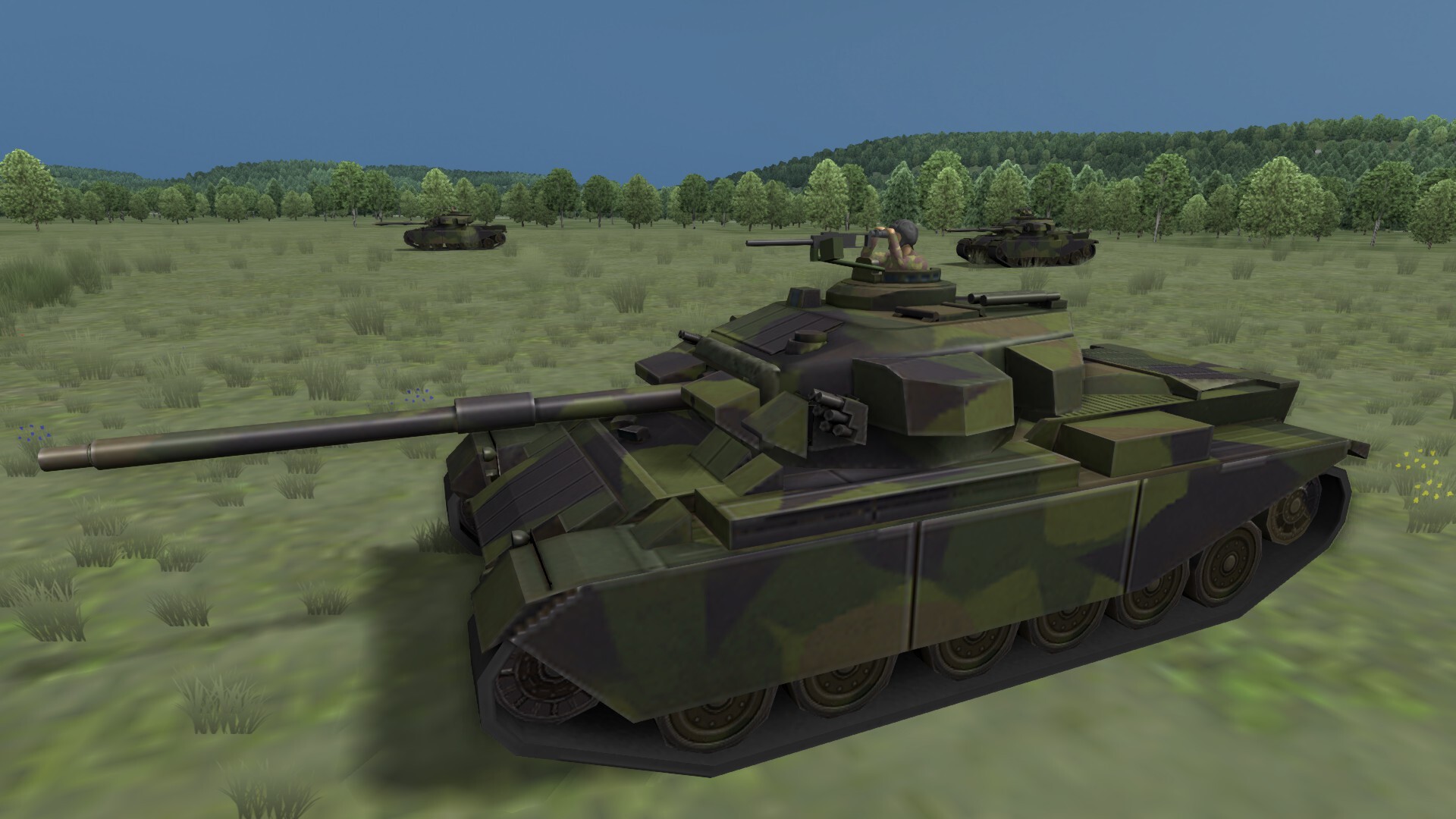
One of the few exceptions to Sweden’s otherwise domestically focused procurement was the British Centurion. It went on to have a long and successful career in Swedish service, undergoing continuous upgrades that culminated in the Stridsvagn 104 — featuring an American engine, a state-of-the-art fire control system, and making Sweden one of the earliest adopters of ERA.
Sweden maintained a solid and sizable arsenal, though without the grandeur or global reach of the era’s superpowers. Its designs were not built to project power abroad, but to solve Sweden’s own strategic puzzles within a strict budget: a process that often led to solutions as unorthodox as they were effective. Swedish designers seemed to live by the principle that if something conventional worked well enough, then something unconventional could work even better. The result is a force structure that is well trained, efficient, and unmistakably Swedish in every sense—a military built not to impress on parade, but to make any potential invader think twice, then think again.
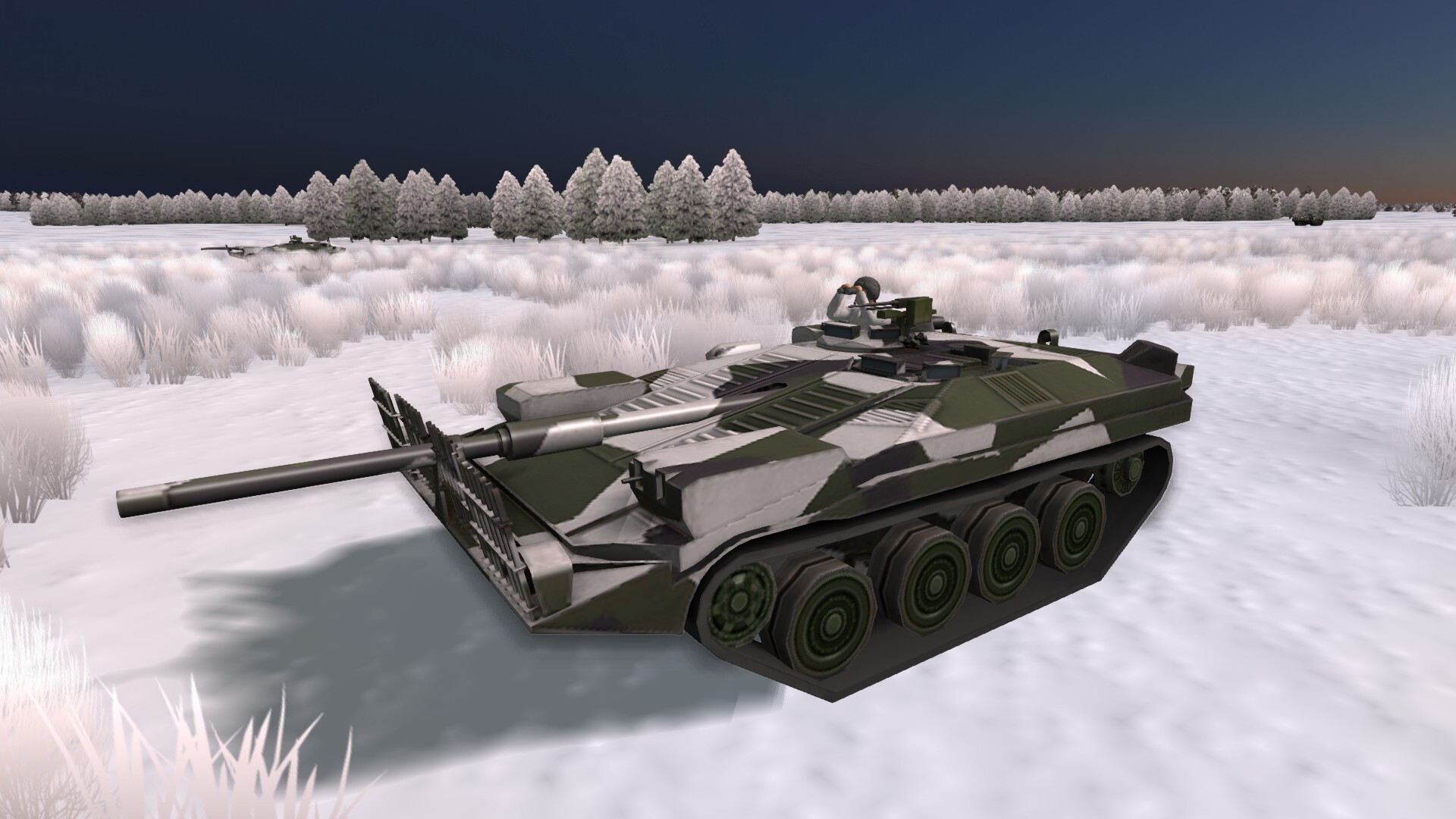
And there is no more iconic example of Swedish ingenuity than the Stridsvagn 103, better known as the S-tank. Designed and employed doctrinally as a true tank, it combined a turretless layout with the world’s first operational gas turbine in an armored vehicle and an autoloader capable of sustaining a remarkable practical rate of fire of 15 rounds per minute.
This mindset ran through Swedish doctrine during the Cold War. Strategically, Sweden understood that any invasion would likely begin with the odds heavily stacked against them. The country’s defence planning was shaped by this sober assessment: the need to delay the enemy early, fight for as long as necessary, impose costs continuously, and, when conditions allowed, retake what had been lost. It was a patient, measured approach, built around resilience and depth.
But as soon as the discussion shifted from the operational to the tactical level, caution gave way to a very different spirit. Swedish tactical thinking was built on aggression and initiative. Attacking and ambushing first, maintaining momentum, and refusing passivity were considered essential. A commander hesitating at the wrong moment was more dangerous than a commander choosing the wrong tactic. It was a philosophy that encouraged action, creativity, and occasionally a touch of audacity — perfectly aligned with the character of the machines Sweden produced.
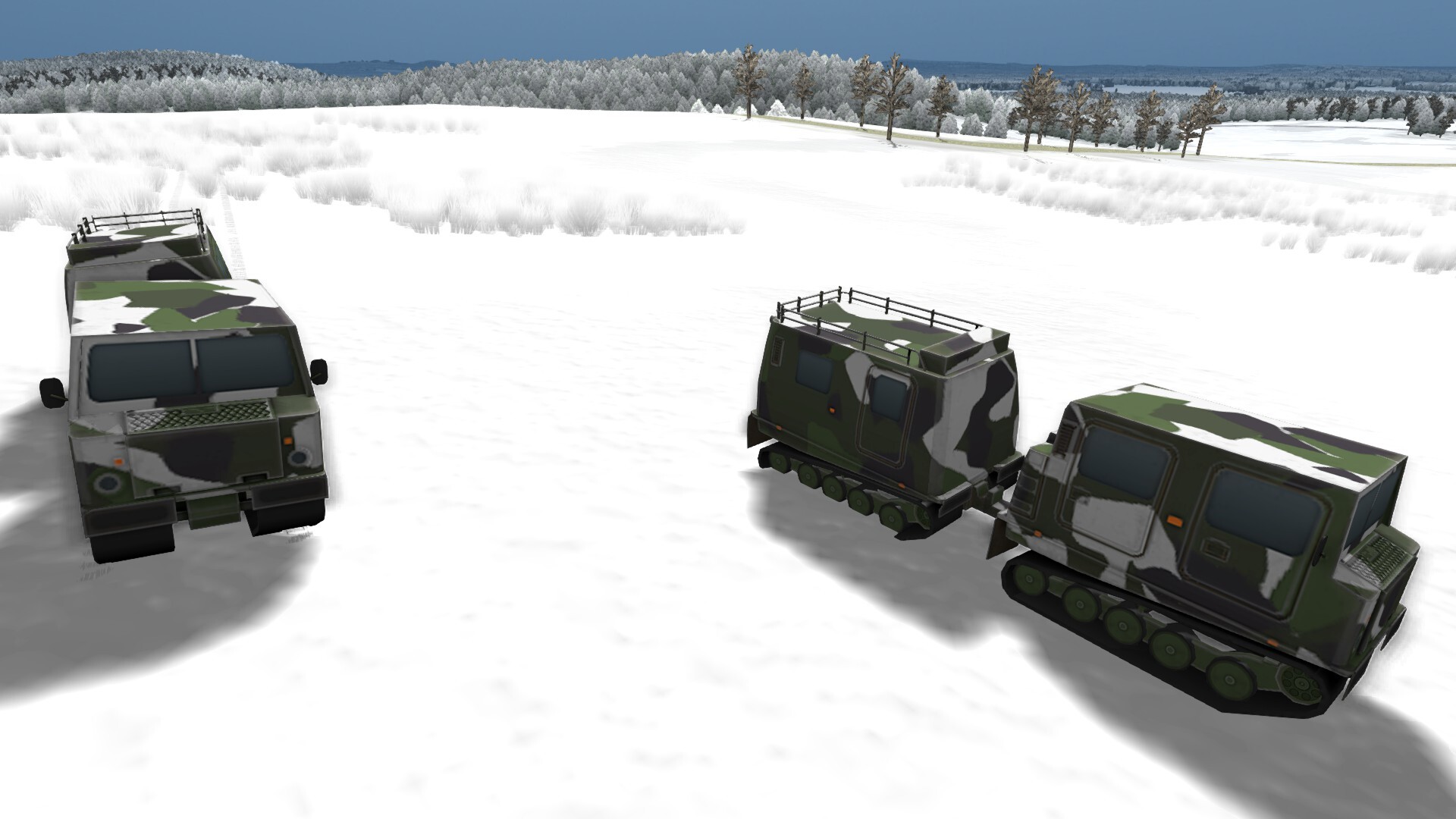
While our first articulated vehicles in-game were Finnish tractors (also widely used by Sweden to motorize infantry in creative ways), the concept reaches its full expression with the Bandvagn series. Designed as all-terrain carriers for the challenging landscapes of northern Sweden, these vehicles offer the best terrain-traversing capability of any unit in the game, letting players slip through forests, swamps, and other difficult ground with far fewer constraints and opening up entirely new tactical possibilities.
This blend of unique equipment and organization defines the army we are introducing as the first nation of the upcoming Scandinavia DLC for Armored Brigade II. Sweden brings a distinct rhythm to the battlefield: a force designed to absorb the opening blow yet constantly poised to counterattack, disrupt, and seize the initiative. Its equipment, doctrine, and overall posture come together to create a playstyle that feels distinctly different from other major armies in the game, and we are excited to finally show it.
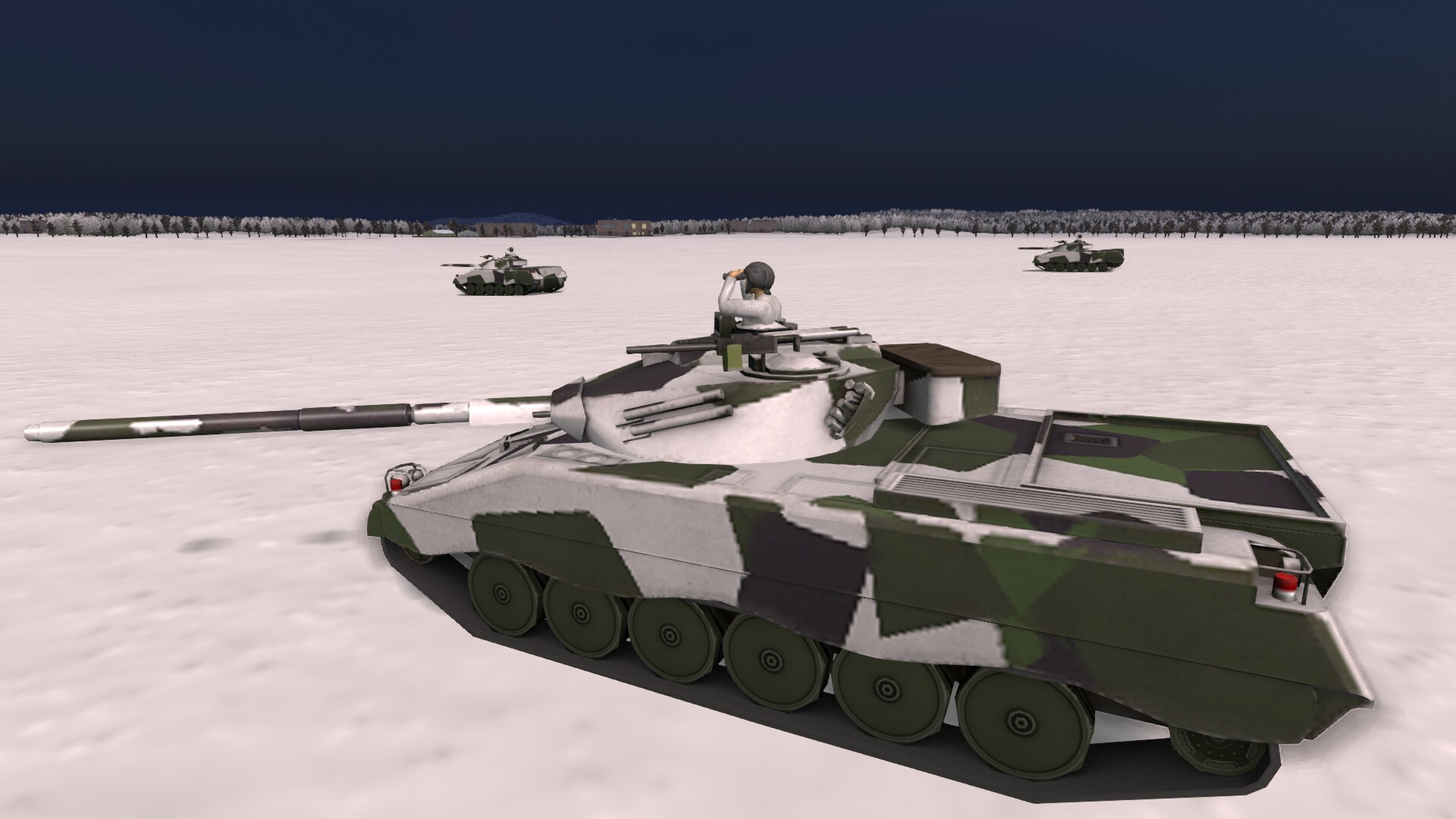
The Swedes were also among the longest-lasting adopters of the “assault gun” concept. While older, StuG-like vehicles were eventually replaced by the more modern Ikv 91, the role remained the same: to deliver fire support and anti-tank capability to infantry brigades, whether as small attached sections or as concentrated formations committed to halt enemy breakthroughs.
Alongside our DLC work, we are preparing a new open beta build for the base game. This update will introduce an experimental mouse-wheel zooming system for more fluid camera control, the first foundations of AI stances designed to make battlefield intent clearer and more expressive (more on them in separate DevDiary), and a revamped anti-air missile model where guidance types and countermeasures play a much more significant role. Some of these features are still young — embryonal, even — but they already pave the way for a more nuanced and reactive battlefield simulation.
As mentioned in our previous diary, the patch will also include a brand-new Shadows over Giessen campaign, which utilizes the new branching campaign feature.
In summary, Sweden arrives as a faction shaped by clarity of purpose and a very particular vision of national defence. The ongoing improvements to the base game will evolve alongside it. Together, they mark the next step toward the deeper, more flexible, and more characterful simulation we want Armored Brigade II to become.