


Before proceeding with the Dev Diary, Scandinavia is getting close to release and we need your help testing the upcoming content.
Join the beta here and let us know what you think.
Enjoy the Dev Diary below.
While in the last two diaries we concentrated mostly on Denmark and Sweden, today we turn our attention to Norway, as well as to other elements of the DLC, including operational realities and maps. Norway formed NATO’s exposed northern anchor and remained a constant factor in alliance planning for Scandinavia. In this DLC, however, Norway is treated primarily as a strategic frame of reference rather than a main operational focus. Our playable content therefore concentrates further south, where we now have three distinct map areas: the existing Lübeck map together with two new maps, Bornholm Island and Trelleborg on Sweden’s southern coast. Together, they allow for a broader range of scenarios and a more flexible operational environment across a coherent area of over 2,700 square kilometres.
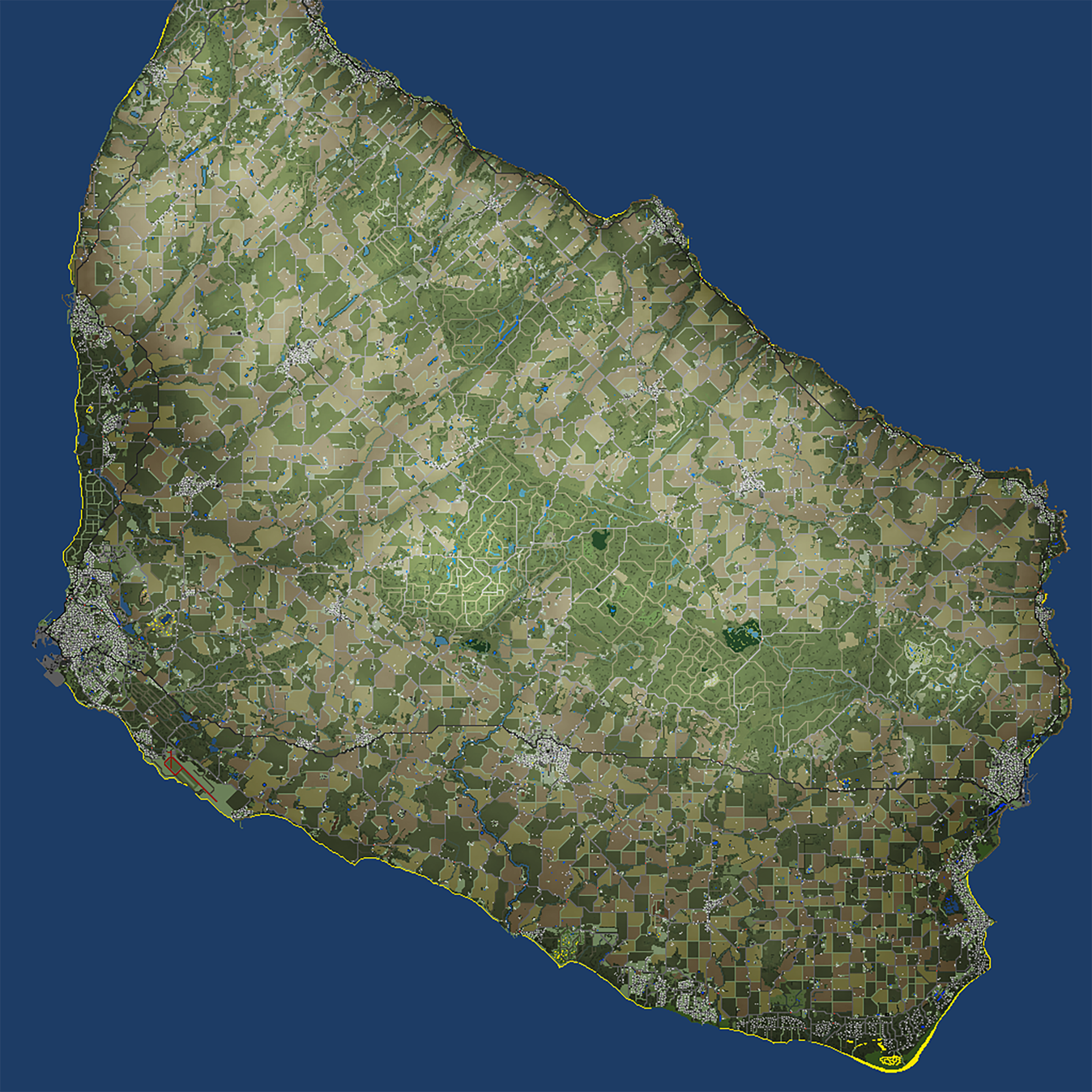
Following the Soviet departure from Bornholm in April 1946, the island assumed an important strategic role. Moscow maintained that the stationing of any foreign troops on the island would constitute an act of war, a position that led to several diplomatic incidents, including a dispute after a U.S. military helicopter made an emergency landing at Svaneke. As a result, Bornholm was defended by a Danish independent battle group centred on a light infantry battalion, augmented by local reservists and a limited number of armoured vehicles. Isolated, exposed, and close to Warsaw Pact bases, the island was a natural objective for early amphibious operations, while its loss would deny NATO a forward outpost in the Baltic.
Norway as Strategic Constraint
Norway’s role in the Cold War was distinctive rather than secondary. Its long coastline, proximity to the Soviet Northern Fleet, and position astride the North Atlantic sea lines of communication made it strategically indispensable. At the same time, ground warfare was severely constrained. Much of the terrain available for land operations consist either of barren, undulating terrain, swampy in places, or of mountainous regions with extremely limited road infrastructure, all of which significantly hampered large-scale, decisive manoeuvre warfare.
The Norwegian Army reflected this reality. It was a light force by necessity, dominated by infantry-oriented leadership, and shaped by mountainous terrain, Arctic conditions, and severe logistical constraints. This structure was reinforced by procurement and mobilisation realities. The acquisition of the F-16, for example, absorbed much of Norway’s defence budget during the 1980s, severely restricting ground force modernisation efforts to mechanised Type 90 brigades. The result was an army designed to delay and survive rather than to meet a mechanised assault head-on. Crucially, Norway was never expected to fight alone. Its task was to hold long enough.
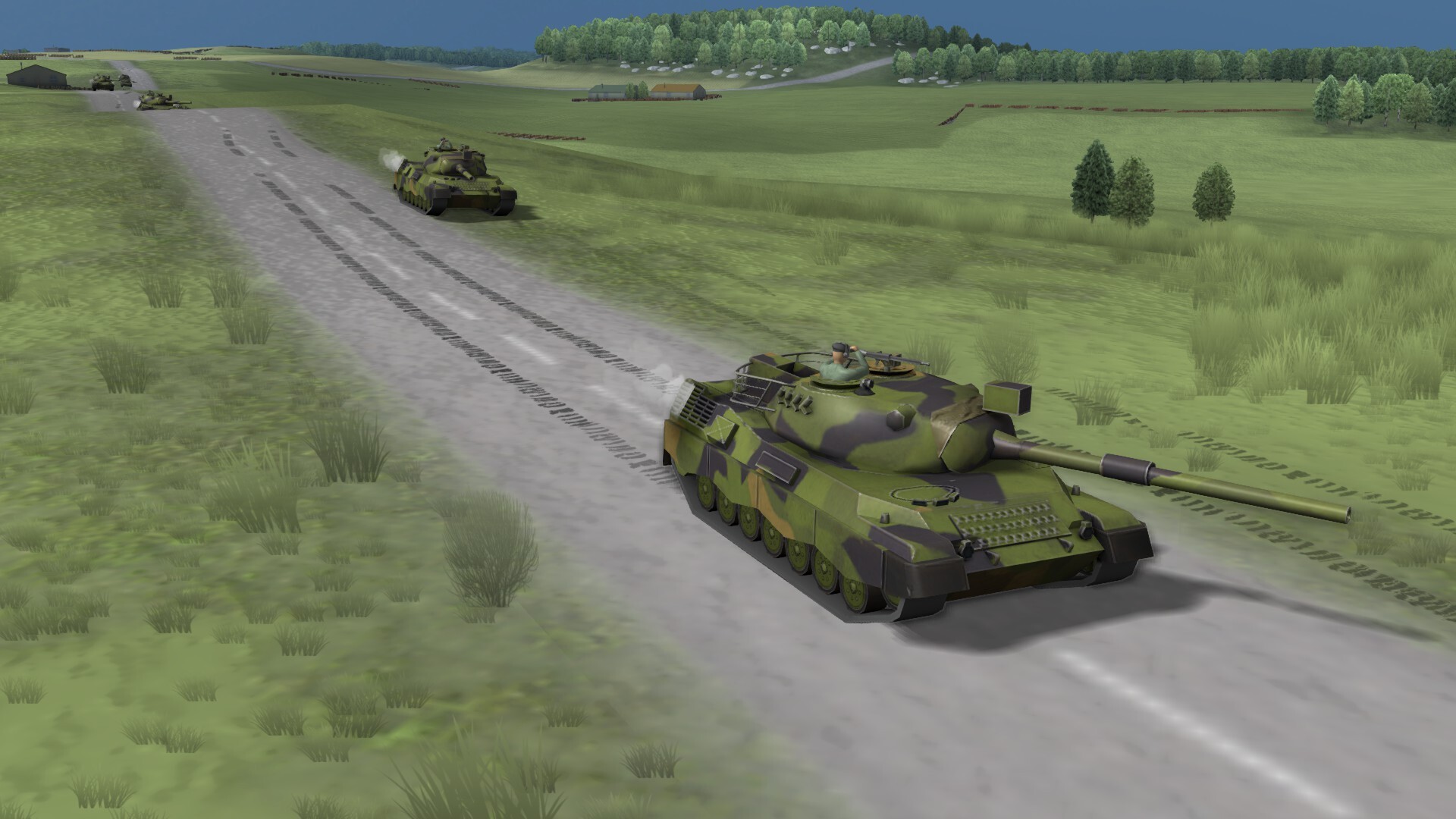
Armoured forces existed, but in limited numbers. By the late 1980s, Norway fielded just over one hundred main battle tanks, fewer than a single Soviet division, primarily Leopard 1s supplemented by older M48 variants, along with a number of lightly armoured tank destroyers. Greater emphasis was placed on mobility, infantry, and specialised vehicles, including over-snow carriers such as the Bv 202 and Bv 206, which were far better suited to the environment.
Why Trelleborg?
Conventional wisdom long held that the Soviet Union would avoid attacking Sweden directly. Such an invasion was considered costly, time-consuming, and politically risky, offering limited immediate gains. Most analysts therefore assumed that Swedish neutrality would hold, at least in the opening phase of a conflict.
Yet this assumption was never entirely comfortable. Soviet interest in Sweden remained consistently high. Declassified contingency planning from earlier periods shows that Soviet strategists had already identified southern Scandinavia as a potential key operational axis, extending from Stockholm and Malmö toward Oslo, Trondheim, and Bergen. This direction offered far more favourable terrain than northern Scandinavia, and it is no coincidence that the bulk of Sweden’s armoured and mechanised forces were concentrated in this region.
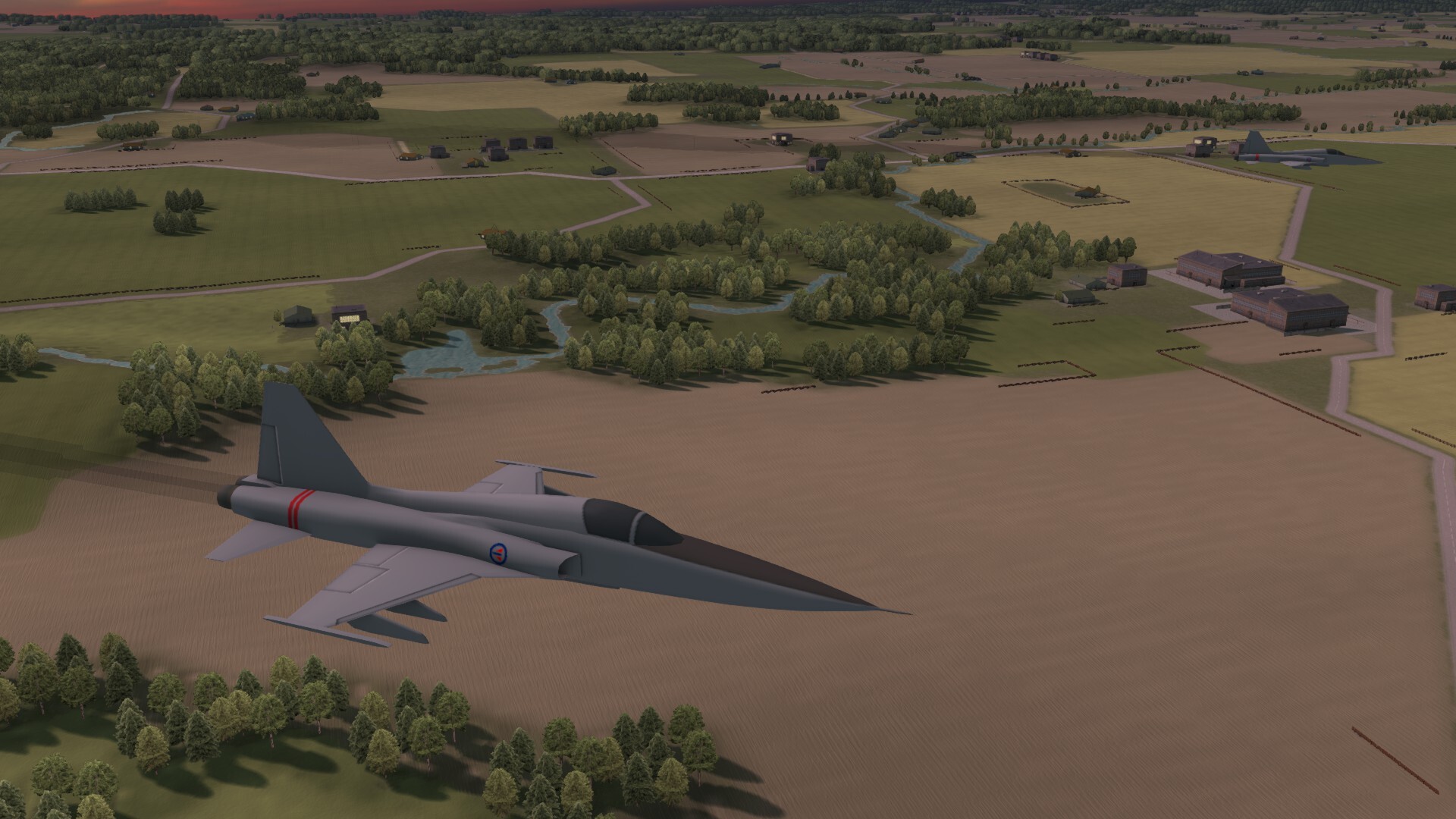
Even if a full-scale invasion of Sweden remained unlikely, more limited objectives were entirely plausible. One such option was the forcible creation of air corridors. Overflight routes across Sweden would have allowed Soviet aircraft to strike far deeper into the Norwegian Sea and central Norway, directly threatening NATO’s ability to reinforce and resupply the Northern Flank. Sweden, for its part, planned to deny such access. Its air force dispersed upon mobilisation, operating from road bases concealed in forested regions and designed to survive initial strikes. Neutralising this system would have required unconventional measures, including pre-emptive action against command structures and personnel, an aspect hinted at by several Cold War intelligence incidents that remain only partially understood.
The Campaign Focus
In the Scandinavia DLC, these strategic uncertainties inform both the narrative and the scope of the campaign. By concentrating on the western Baltic rim, we aim to capture the character of Cold War combat as it would have been experienced on the ground, presenting players with situations where existing forces and escalation risks intersect most directly.This framing reflects the tactical level of command represented in Armored Brigade II, where players respond to events rather than direct them. This approach allows us to portray the conflict using forces that were permanently assigned to the region, without relying on ad hoc expeditionary formations, while preserving the flexibility to broaden the theatre as additional factions and scenarios are developed.
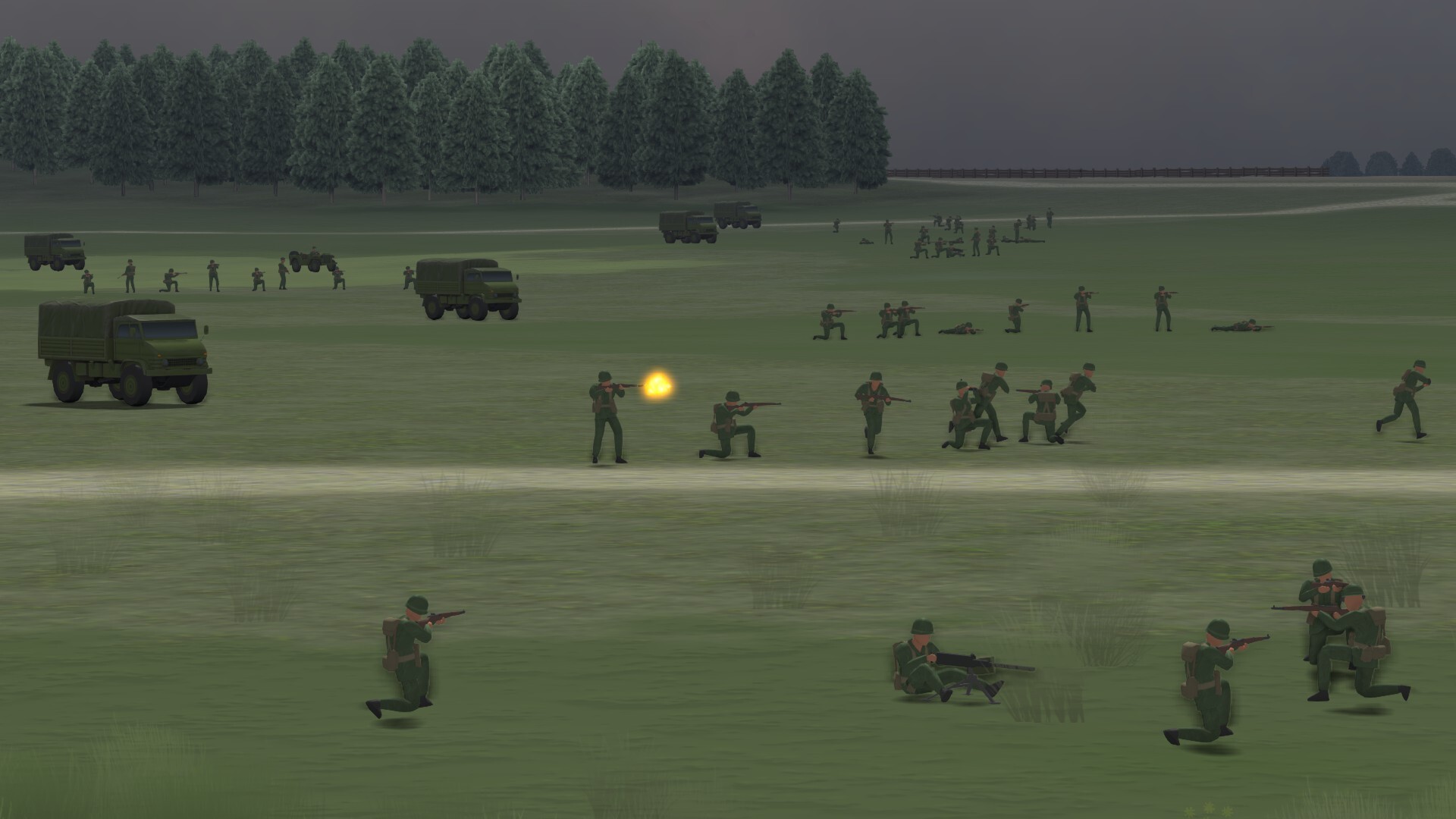
The strong reliance on infantry in both the Norwegian and Danish armies was evident in their organisation. Both forces could field heavy machine guns at platoon level, typically either .50 cal or MG3 weapons mounted on tripods, providing a substantial and readily available base of fire compared to many other contemporary armies.
Without spoiling too much about the campaign background, it is worth noting that Warsaw Pact amphibious planning for the southern Baltic is well documented, but the historical record also makes clear that these plans were highly conditional. For example, Polish forces lacked the means to conduct major landings independently and depended almost entirely on Soviet transport aviation, naval lift, and air cover. Even on paper, there was uncertainty over whether sufficient aircraft and vessels could be made available in time, as the Soviet Baltic Fleet faced competing priorities, including multiple planned landings across the Baltic. This uncertainty is reflected in our focus on those operations most consistently identified as feasible in the opening phase of a wider conflict, and in the limited margin for error faced by local commanders.
Until next time,
The Armored Brigade II Team