


The game centres on the European theatre of the Second World War, and its historical backdrop stretches from Germany’s invasion of Poland in September 1939 to the defeat of the Axis powers in May 1945 — almost six years of warfare that transformed Europe.
Beginning in 1939, the game will give players the opportunity to shape the conflict by taking actions and making decisions whose consequences will carry forward throughout the years of fighting.
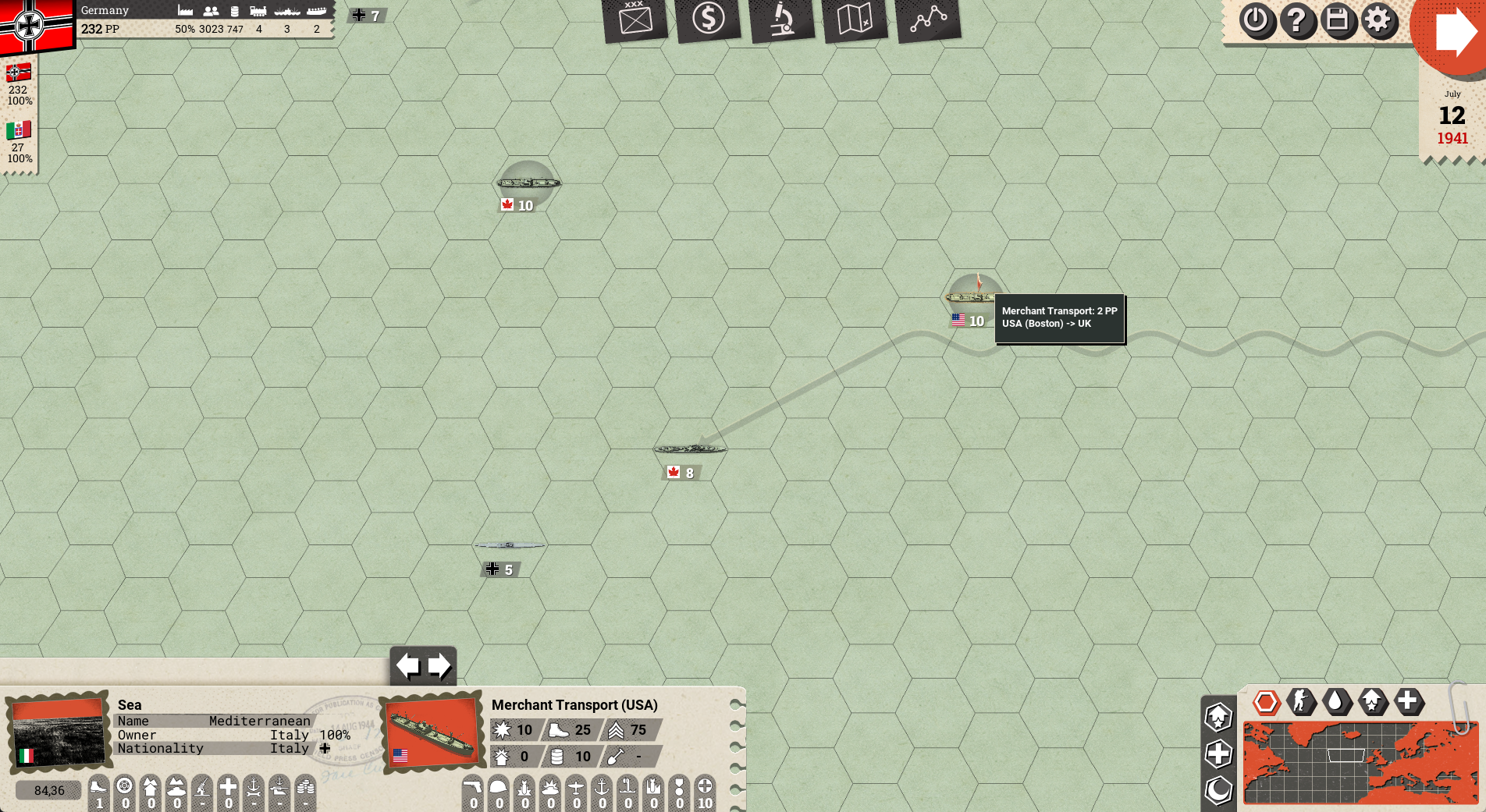
The war extends well beyond mainland Europe, covering the Atlantic, the Mediterranean, North Africa and the approaches to the Middle East. These fronts will influence one another: committing Axis forces to the Mediterranean may affect having sufficient forces available for the invasion of the USSR, while merchant transport losses at sea to German submarine wolf packs could undermine the UK economy supporting an army defending Egypt and preparing for D-Day.
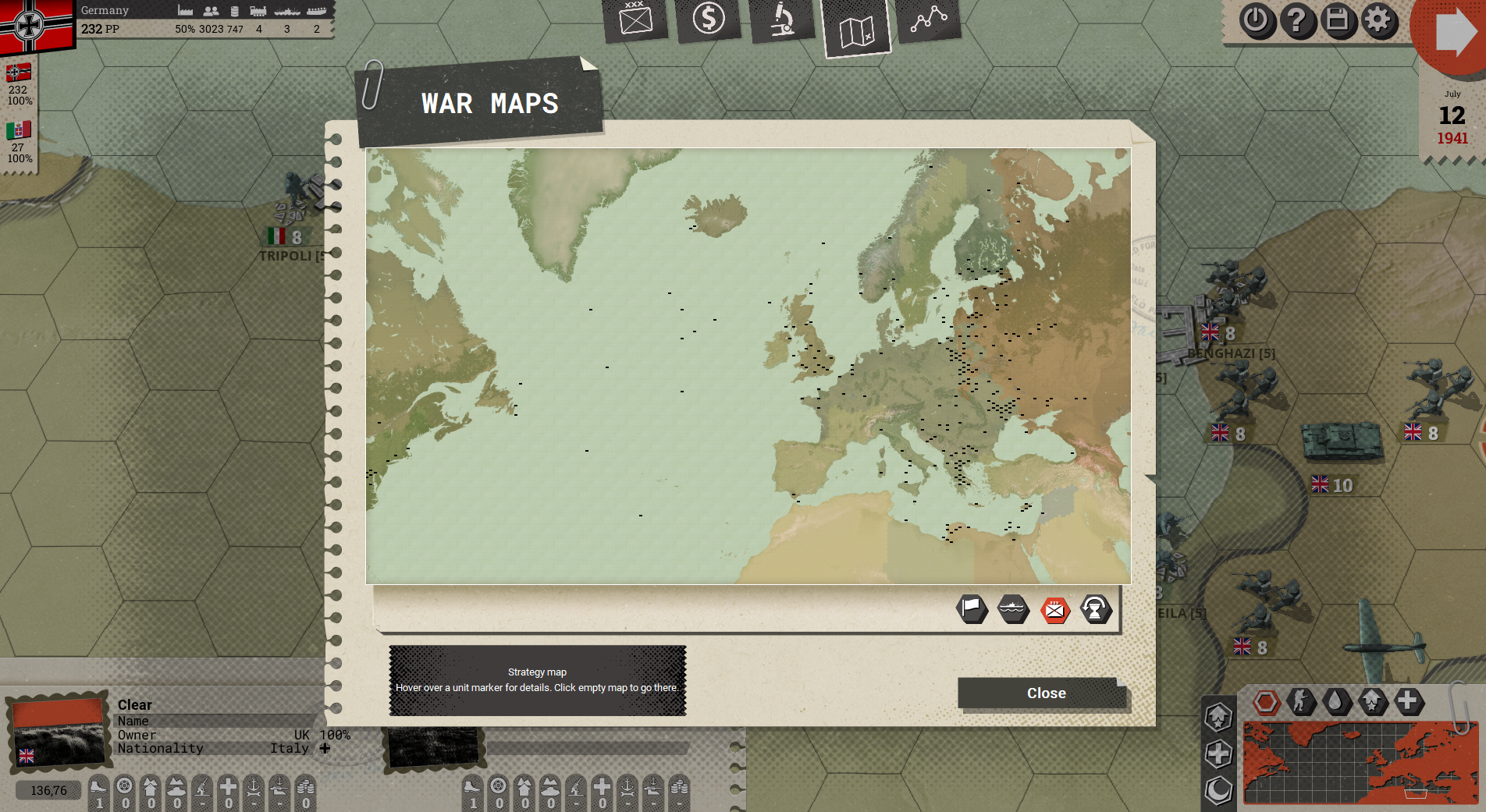
Players will command the Axis or the Allies forces. Germany and Italy form the main European Axis powers, opposed by an Allied coalition whose major participants include the UK, France, Poland, the Soviet Union and the United States. These coalitions will also develop as the war progresses.
Smaller countries also help define the strategic situation. The Low Countries, Norway, the Balkan states and other nations occupy positions that can influence access, supply and the direction of an offensive. Neutral borders and the possibility of other countries entering the war give the map a political dimension alongside its military geography.
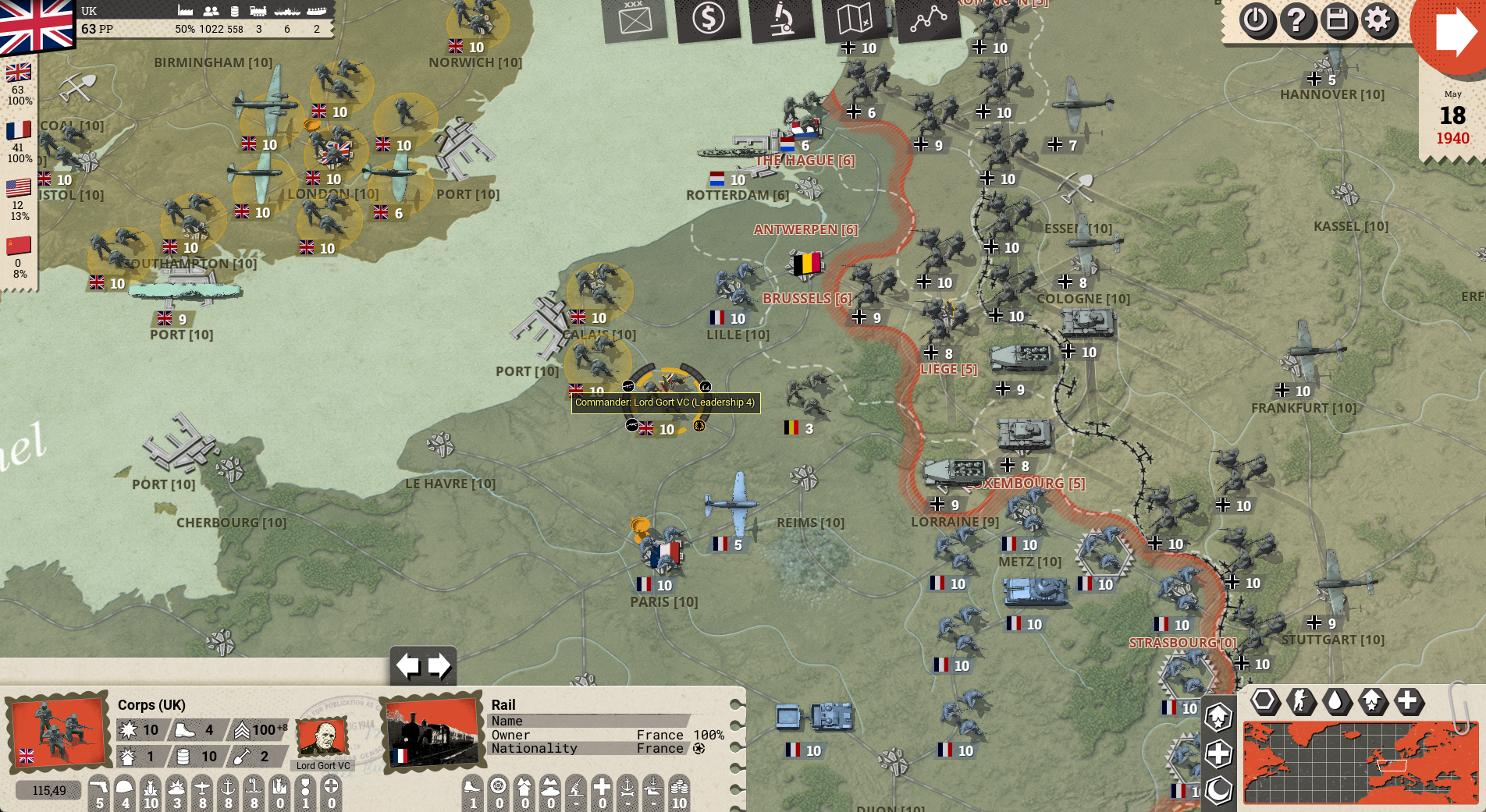
Our approach to historical representation begins with the circumstances that shaped the real conflict. Geography, national resources, war effort, manpower and oil all matter. Armies need replacements and reliable supply, while research and equipment upgrades require investment that will compete with the immediate battlefield demands. A successful advance therefore creates new responsibilities as well as opportunities.
Historical events and campaign decisions provide further context, while leaving room for players to pursue different strategies. The game will include an alternate-history option when playing against the AI, allowing the AI to pursue greater variation in selected decisions and events. Perhaps Spain will enter alongside the AI Axis side, or the AI Allies may forgo the North African Torch landings and execute an earlier 1943 D-Day instead.
Overall our aim with this release is to make the challenges of the period understandable through gameplay, while flexible enough that the war will not always necessarily follow its original course.
History establishes the situations you inherit, your Commander decisions will shape what follows.