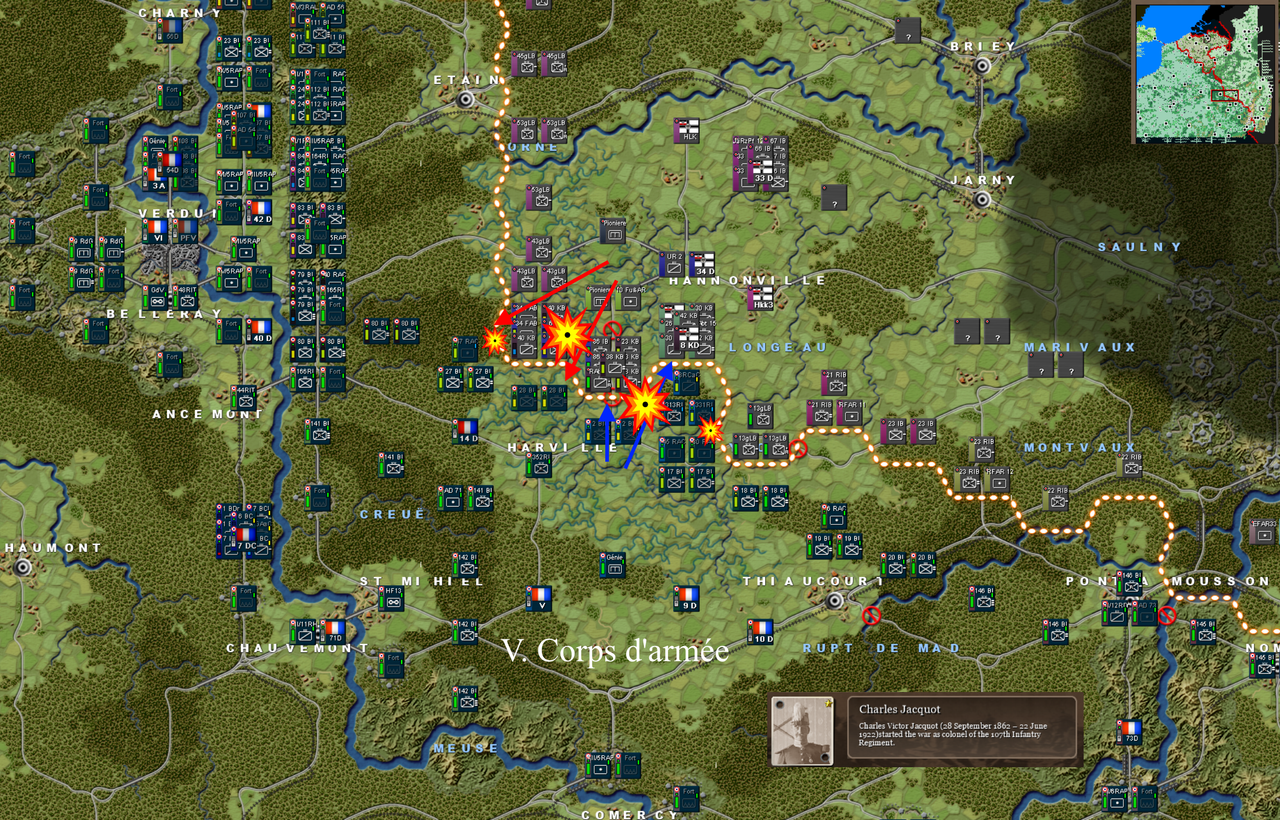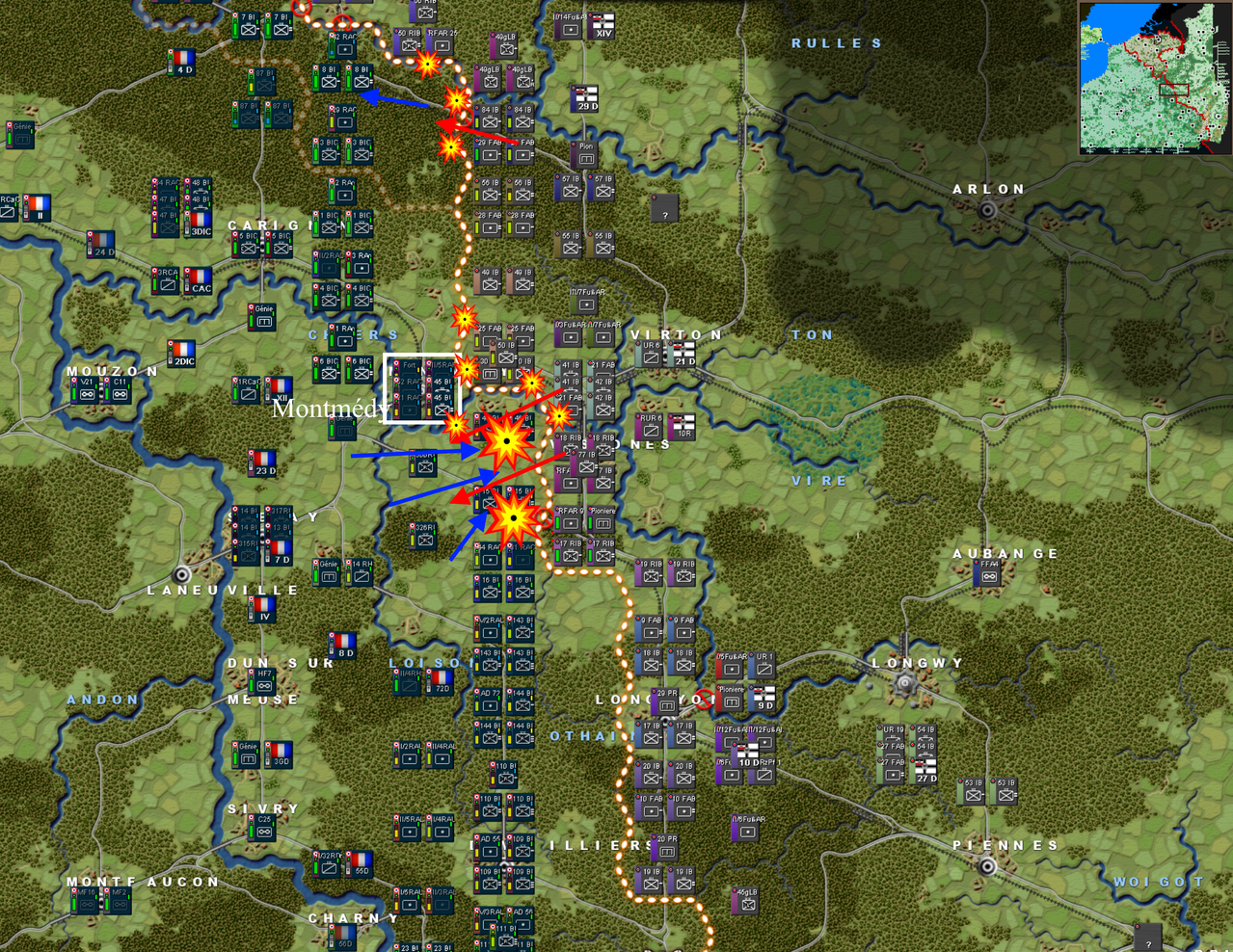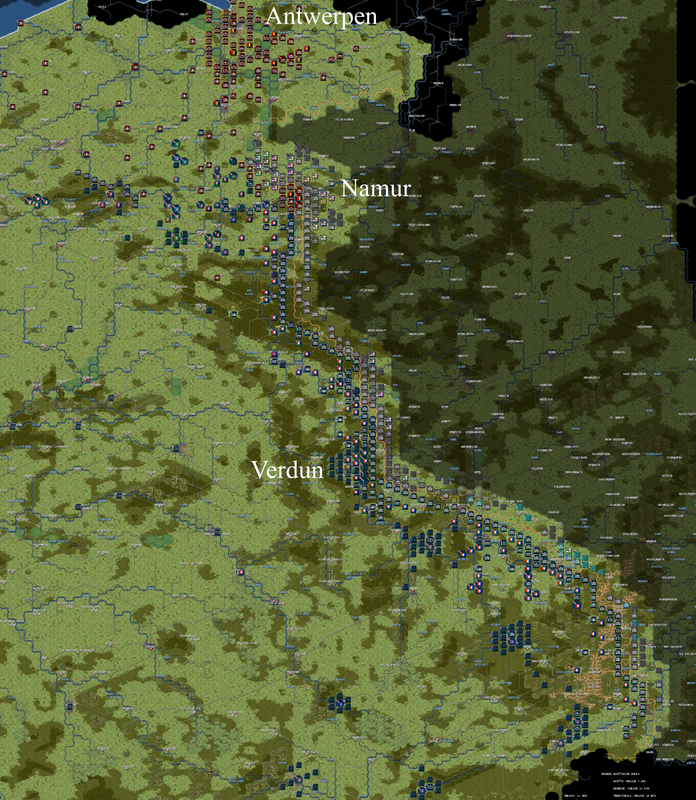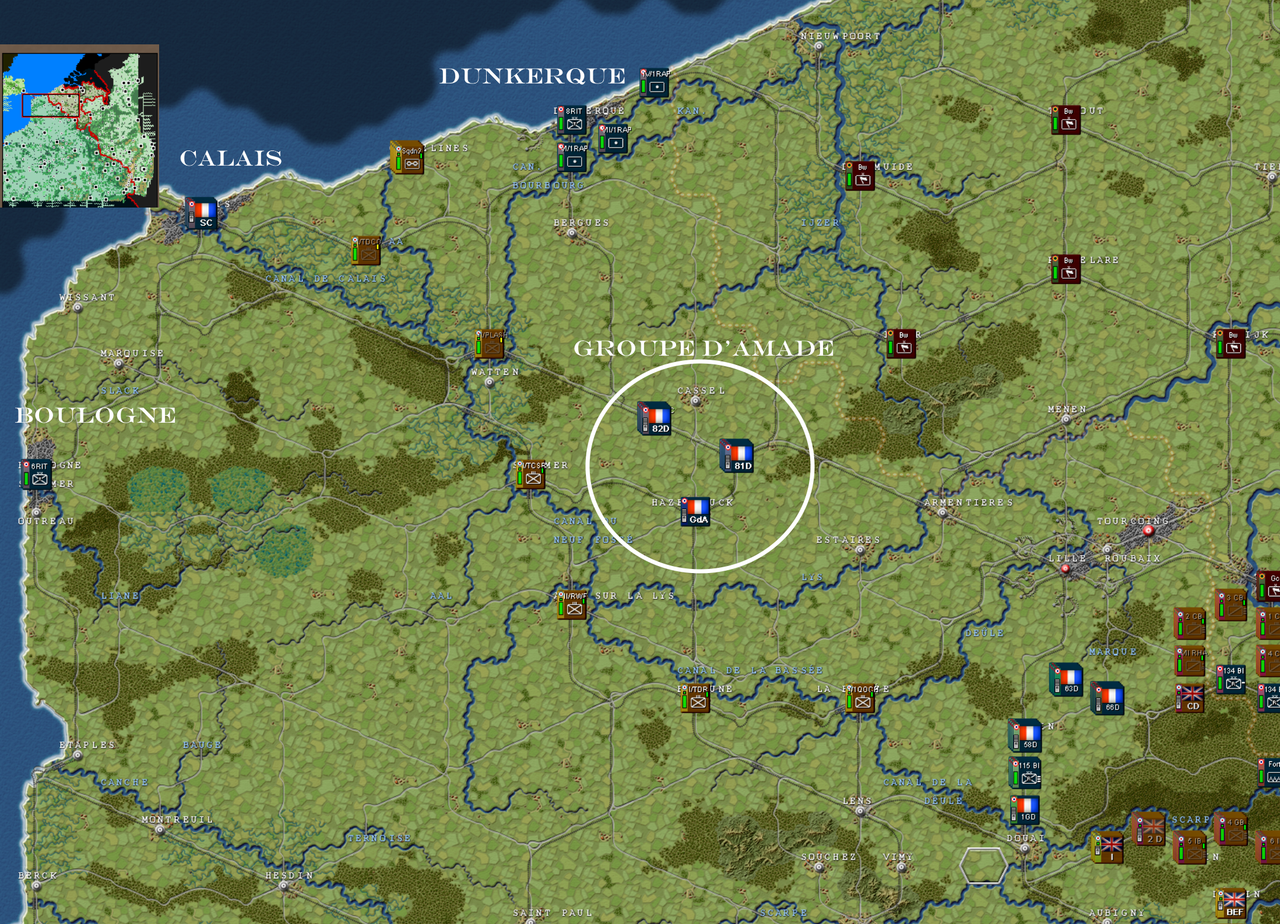
- 9 aout.png (2.93 MiB) Viewed 3187 times
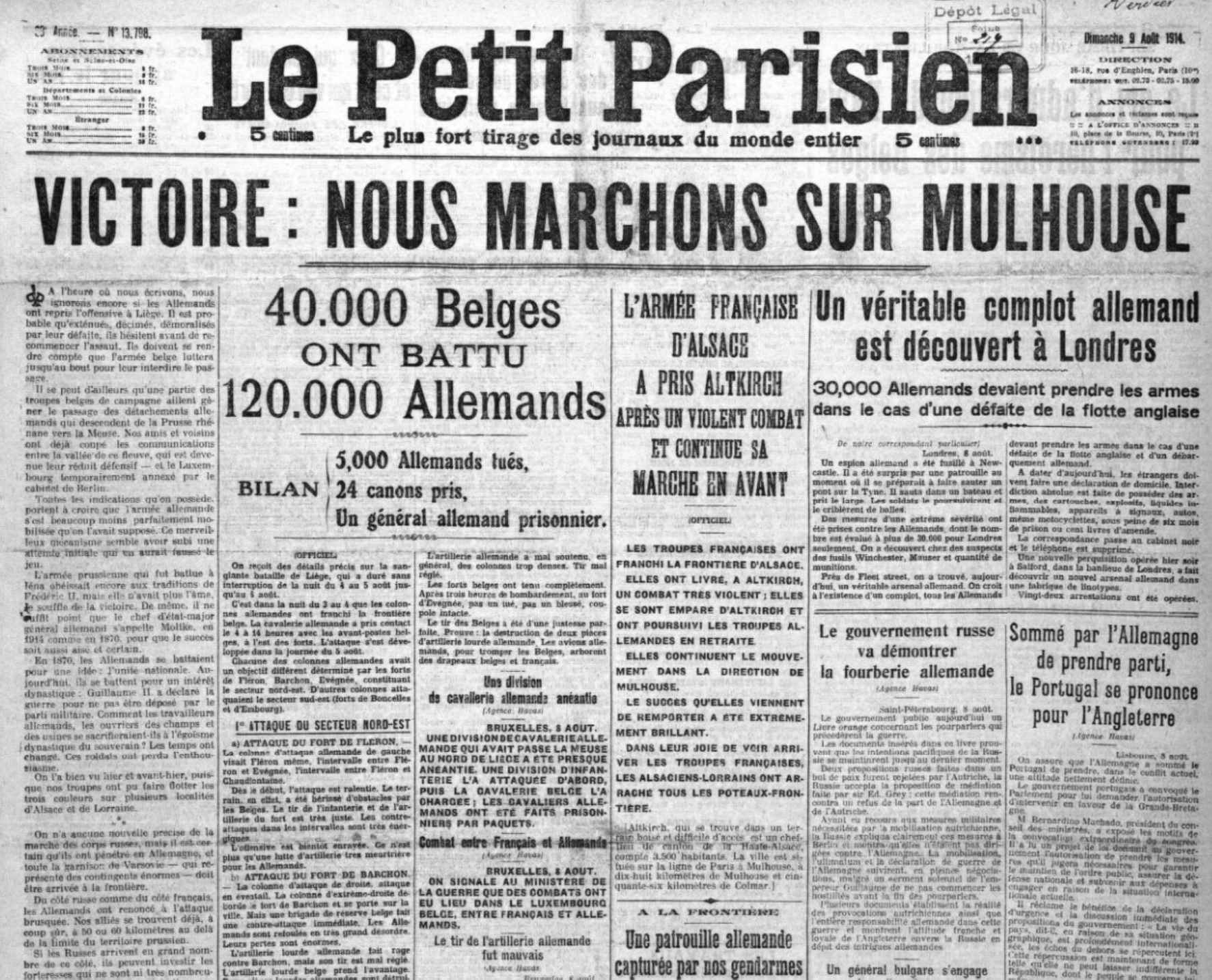
Source of the journals: https://gallica.bnf.fr/accueil/fr/html/accueil-fr
9 August 1914
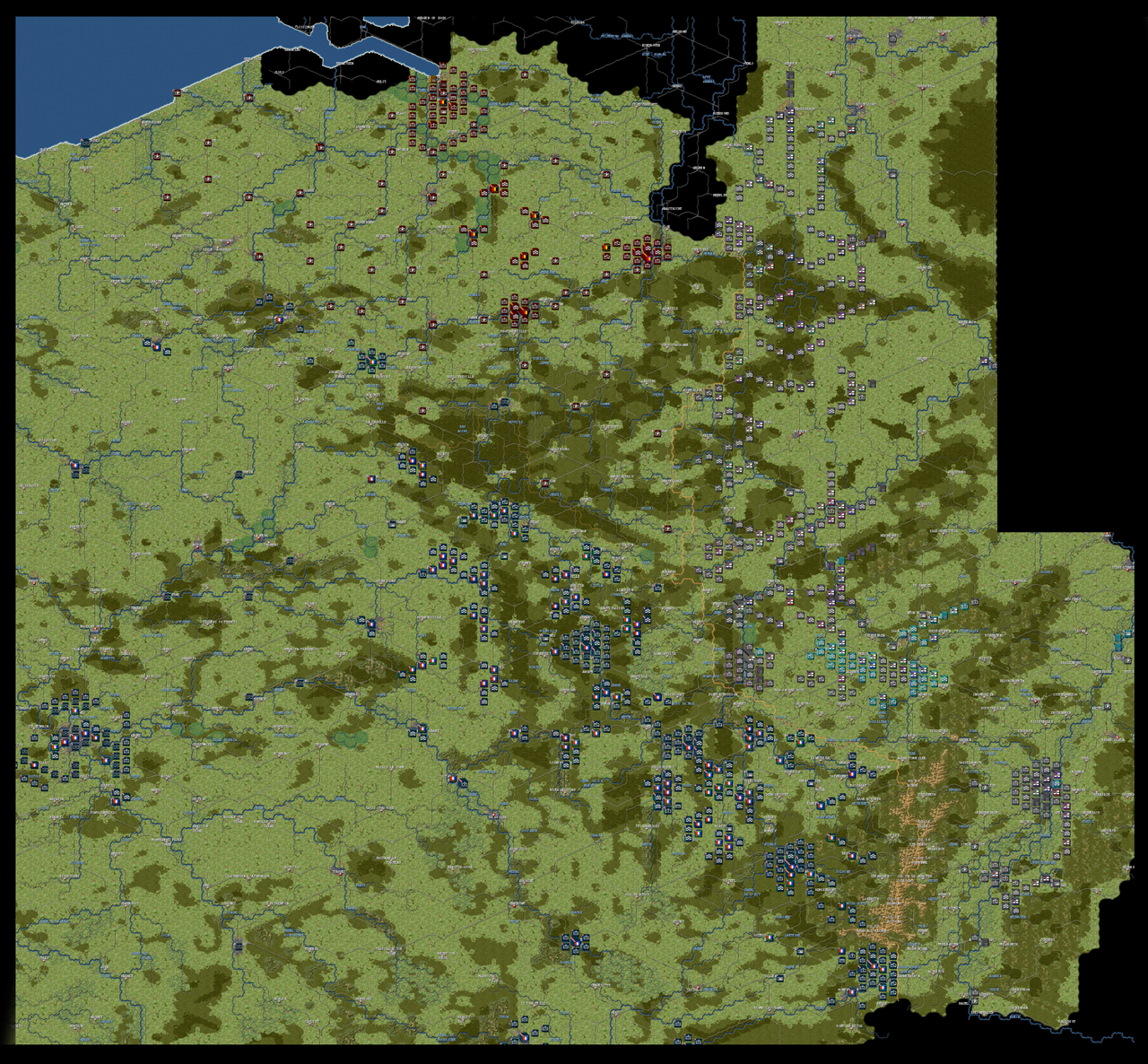
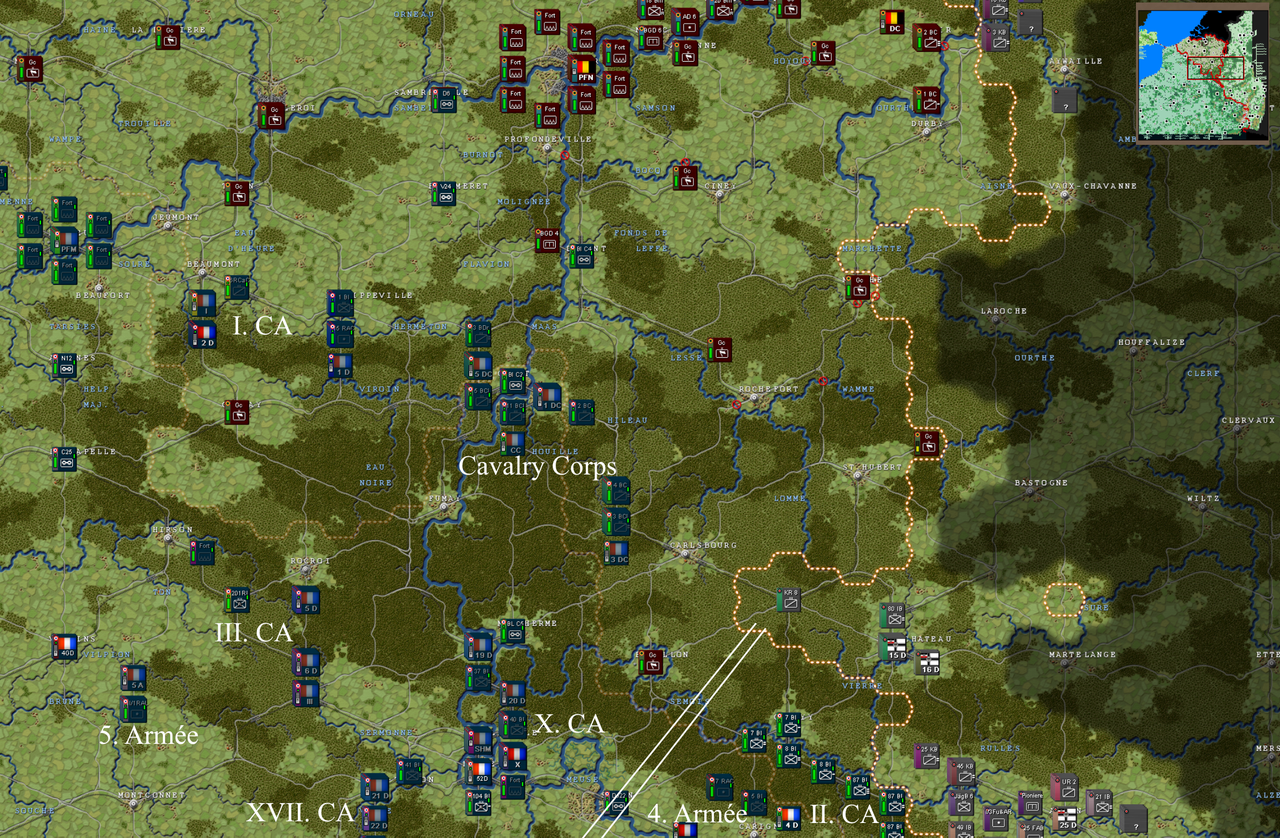
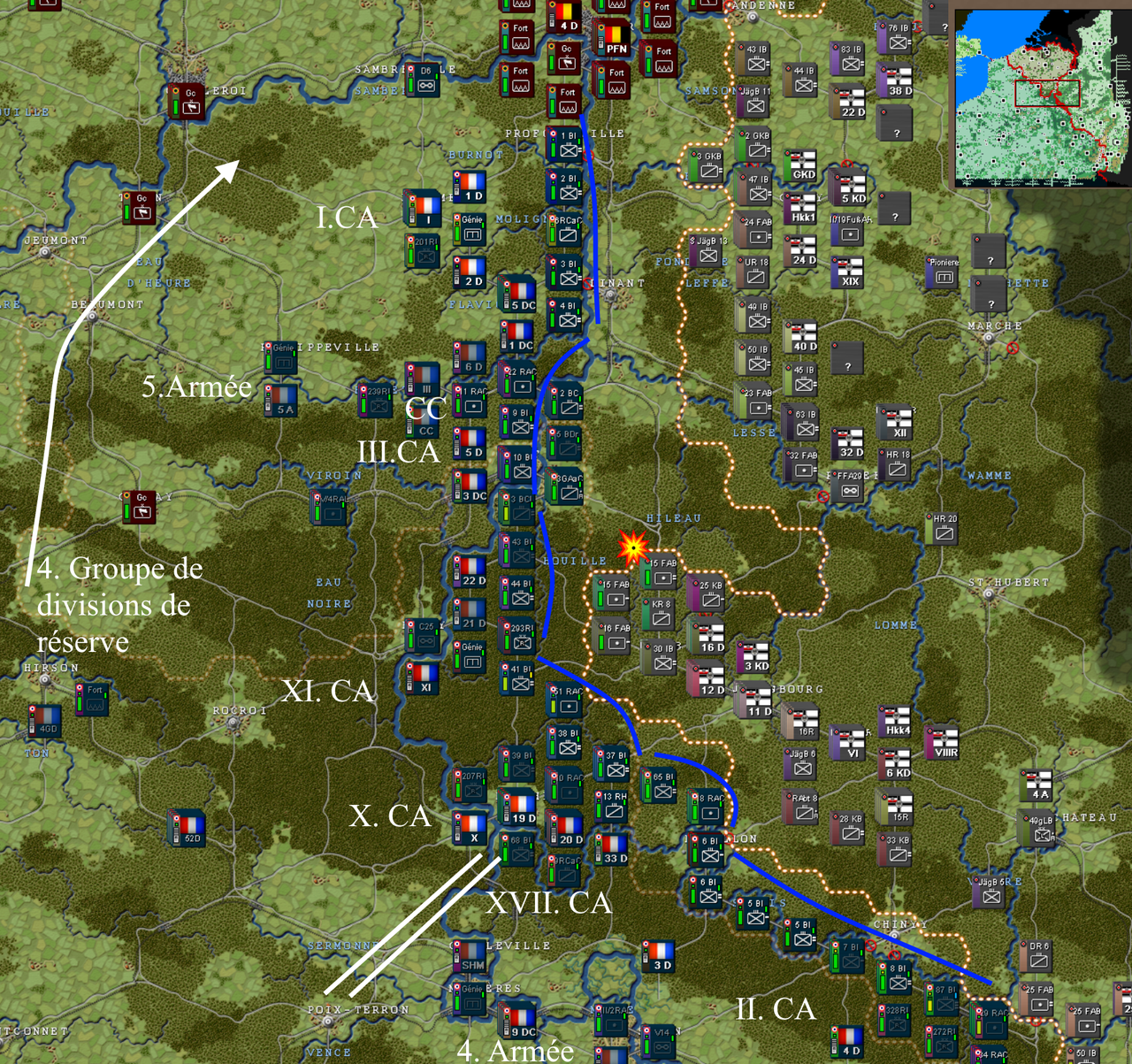
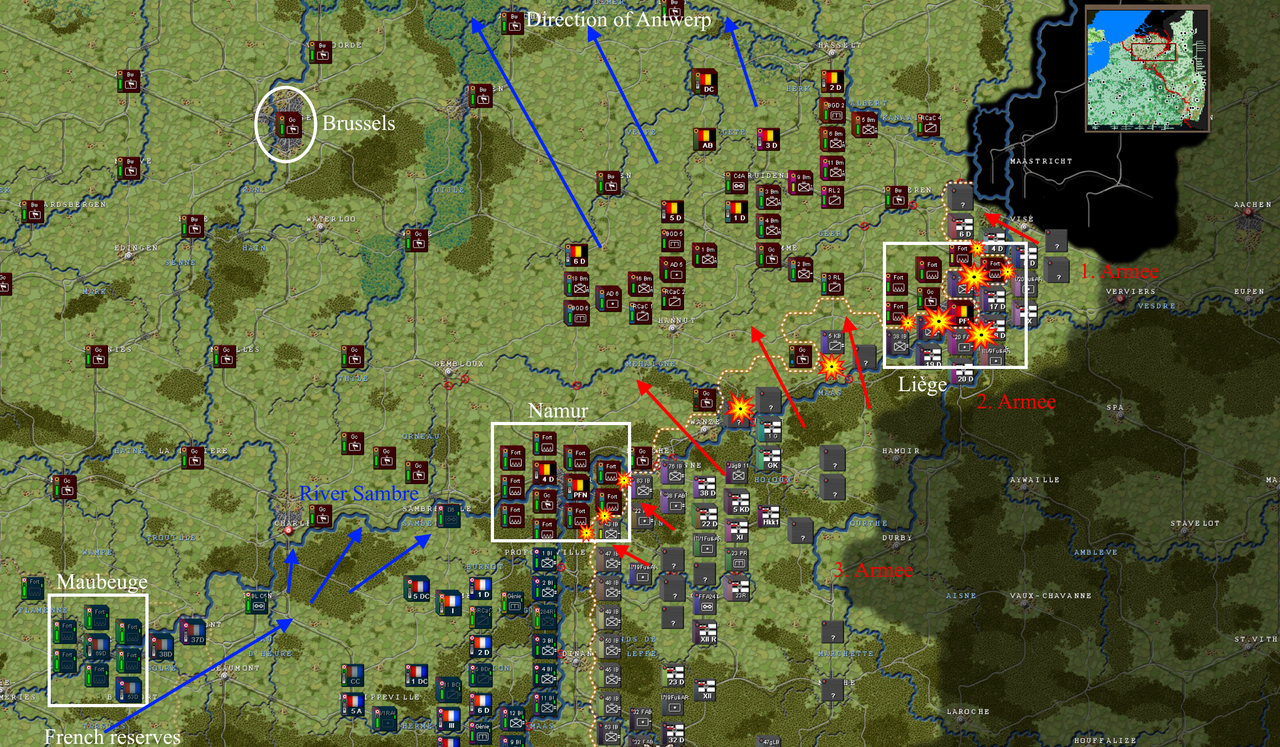
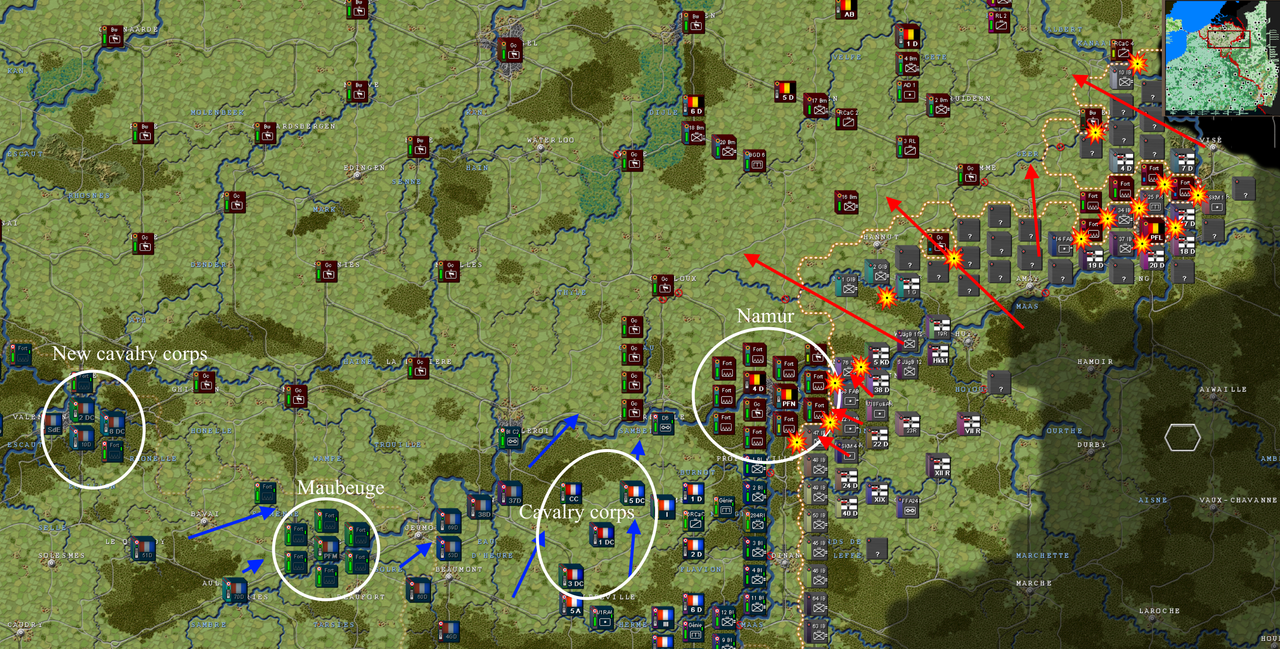
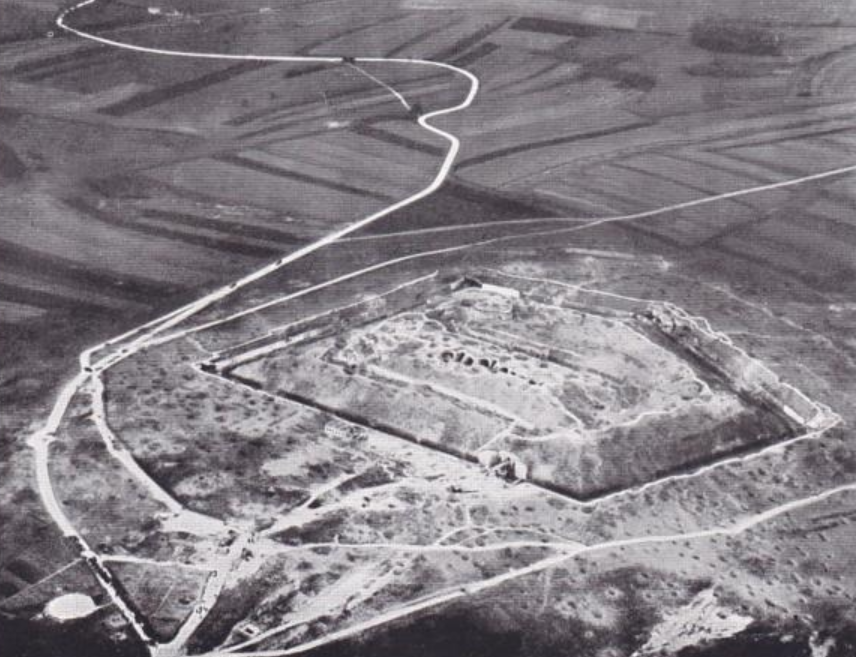
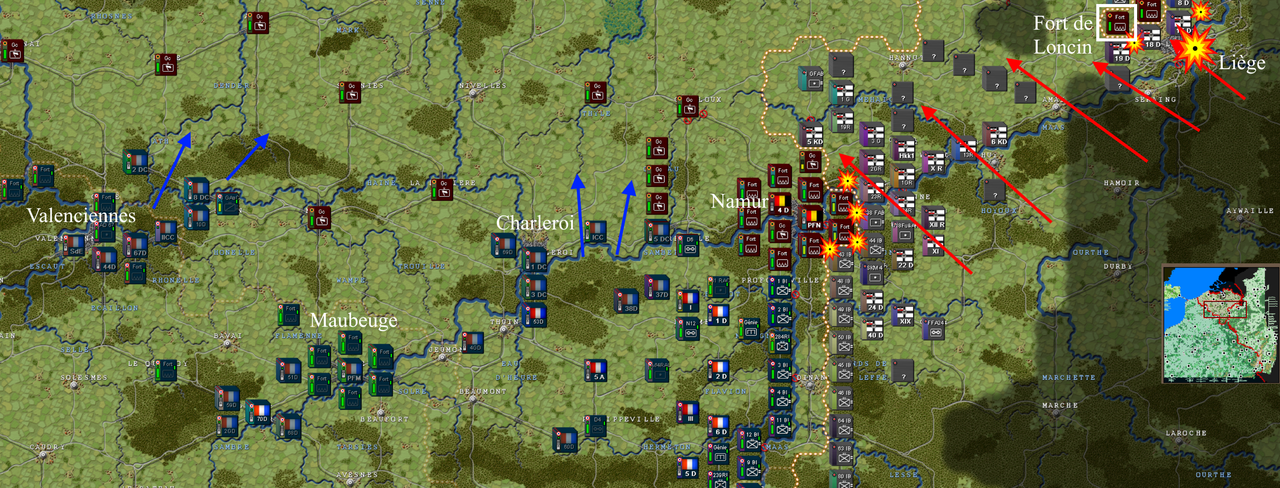
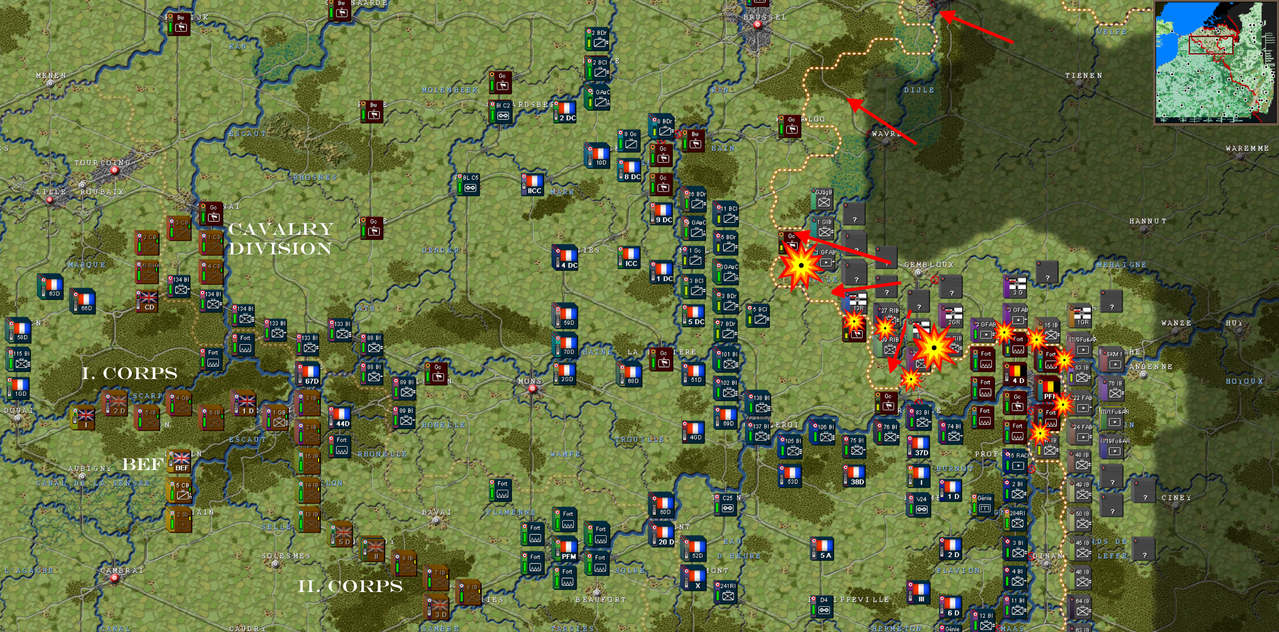
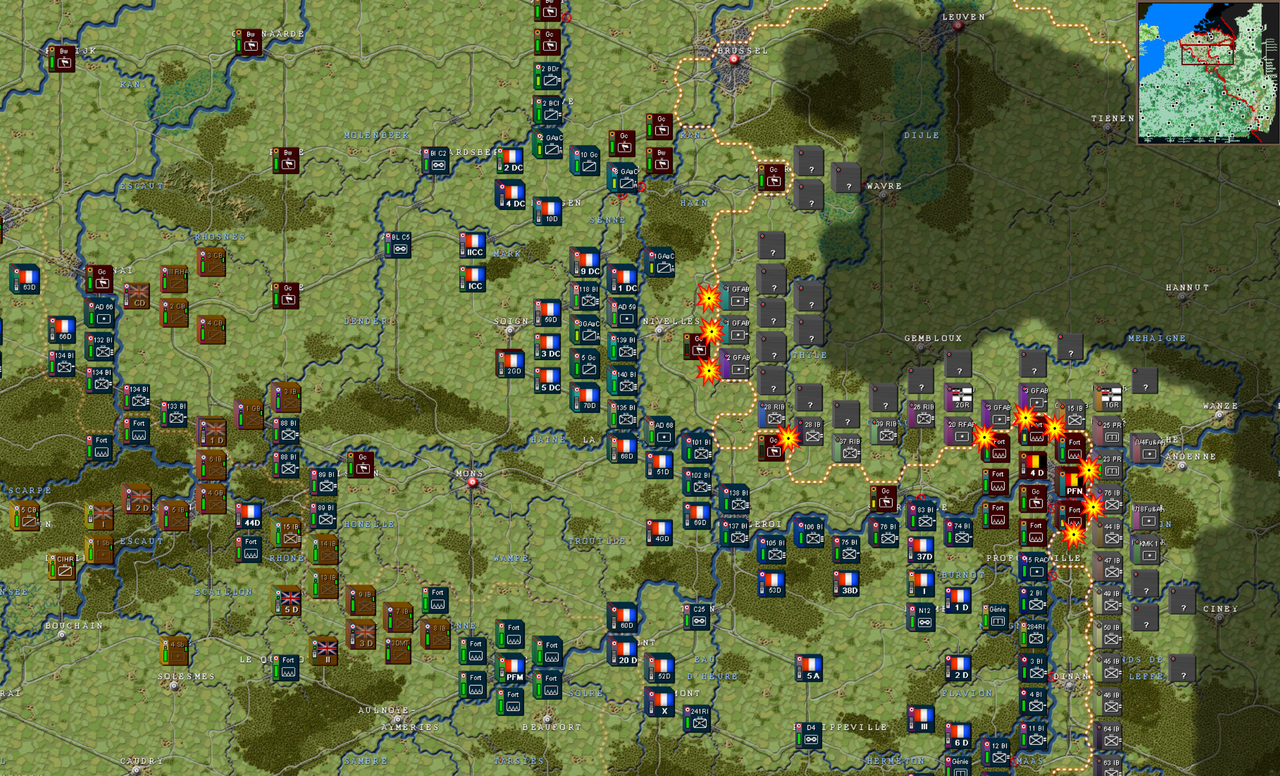
Liège stands tall and thus the French left flank since
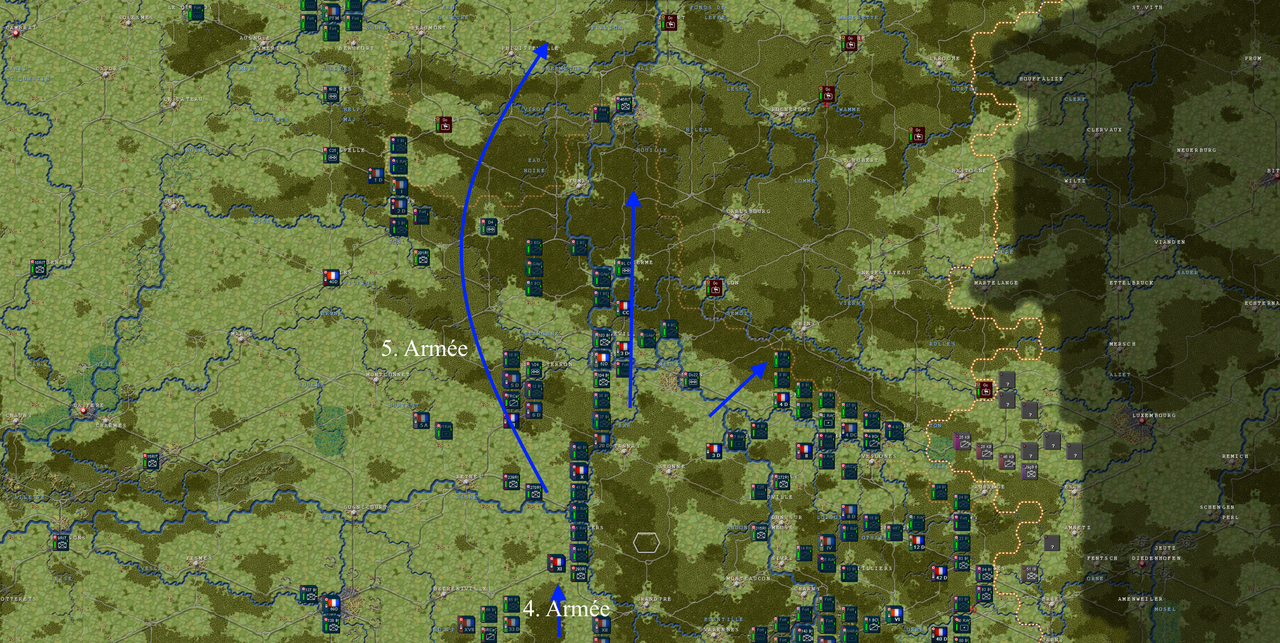
5. Armée just linked up with the Belgians at Namur. Meanwhile the decisive battles of this war have begun according to Emile Belin and Henri Berthelot at the
Grand Quartier général (GQG). In Lorraine
2. Armée attacks while
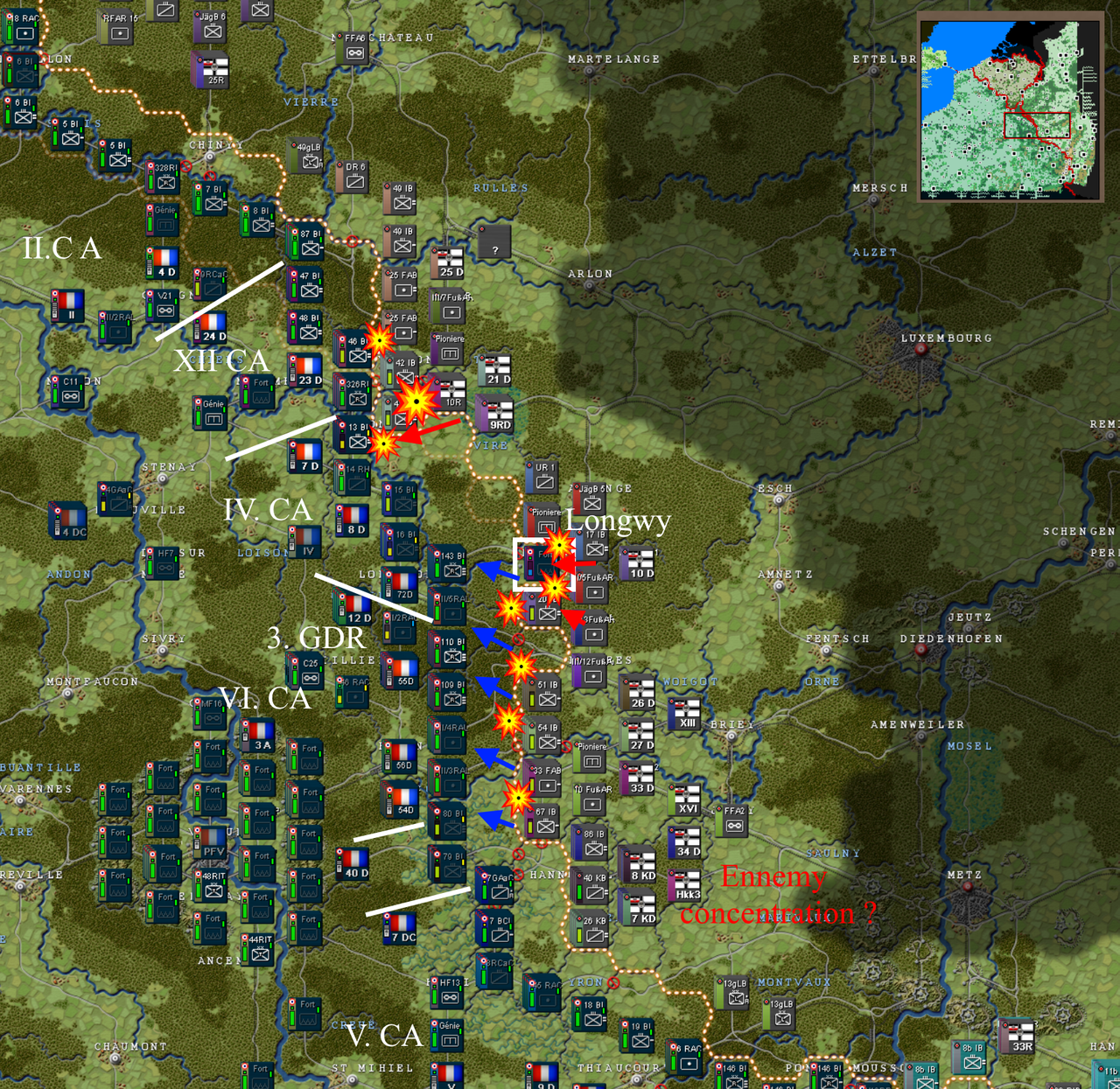
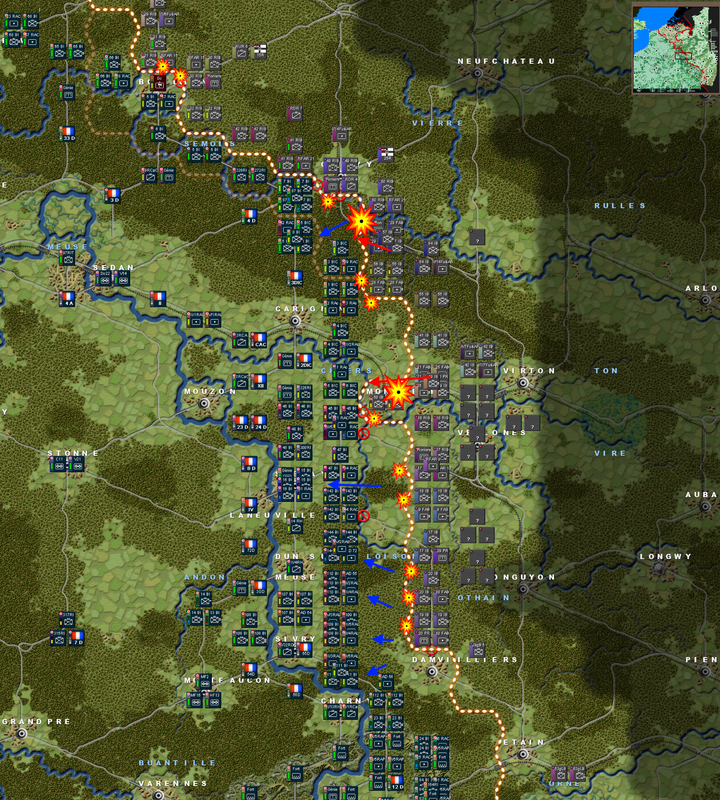
1. Armée absorbs the punches thrown by the Bavarians; around Longwy the army of the German crown prince has started it's attack.
Dispatches from Belgium:
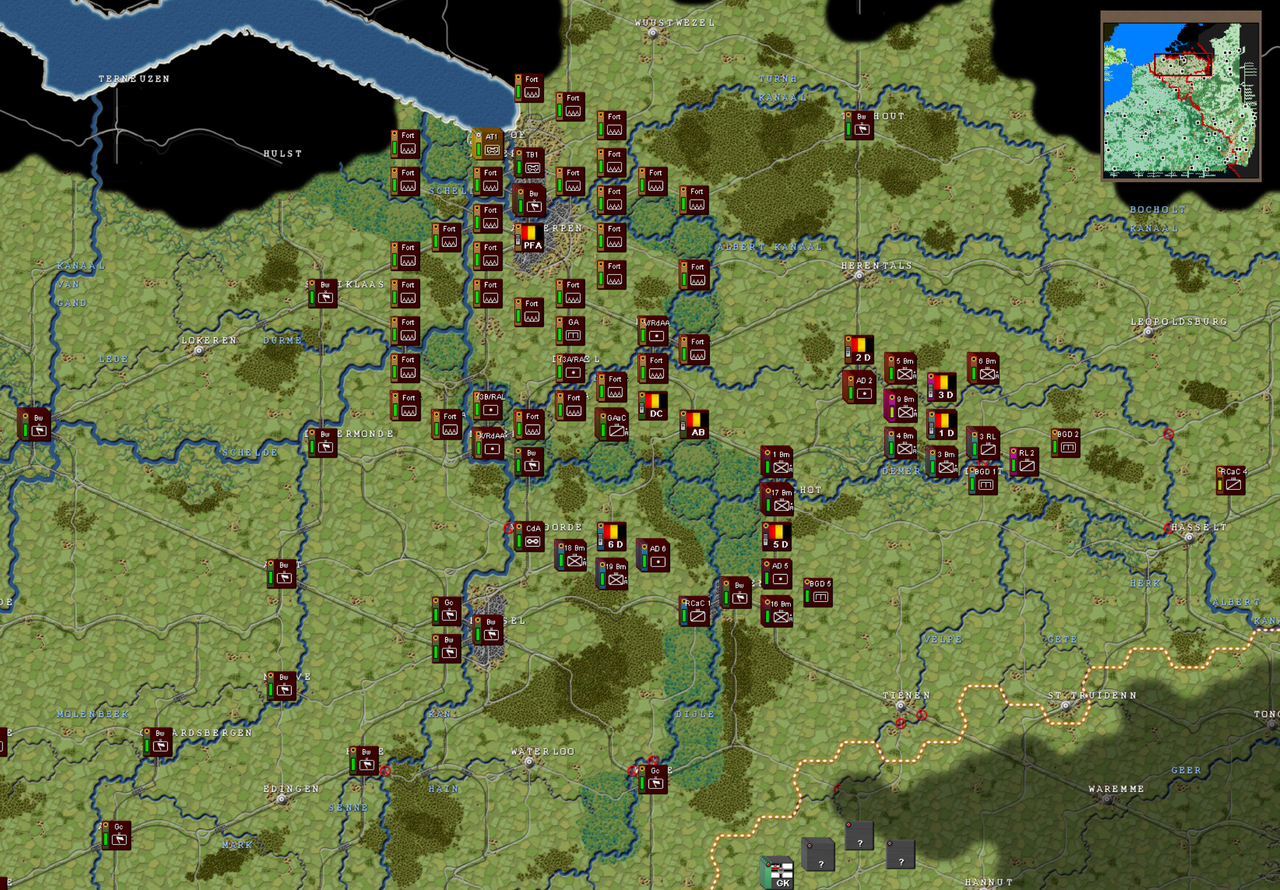
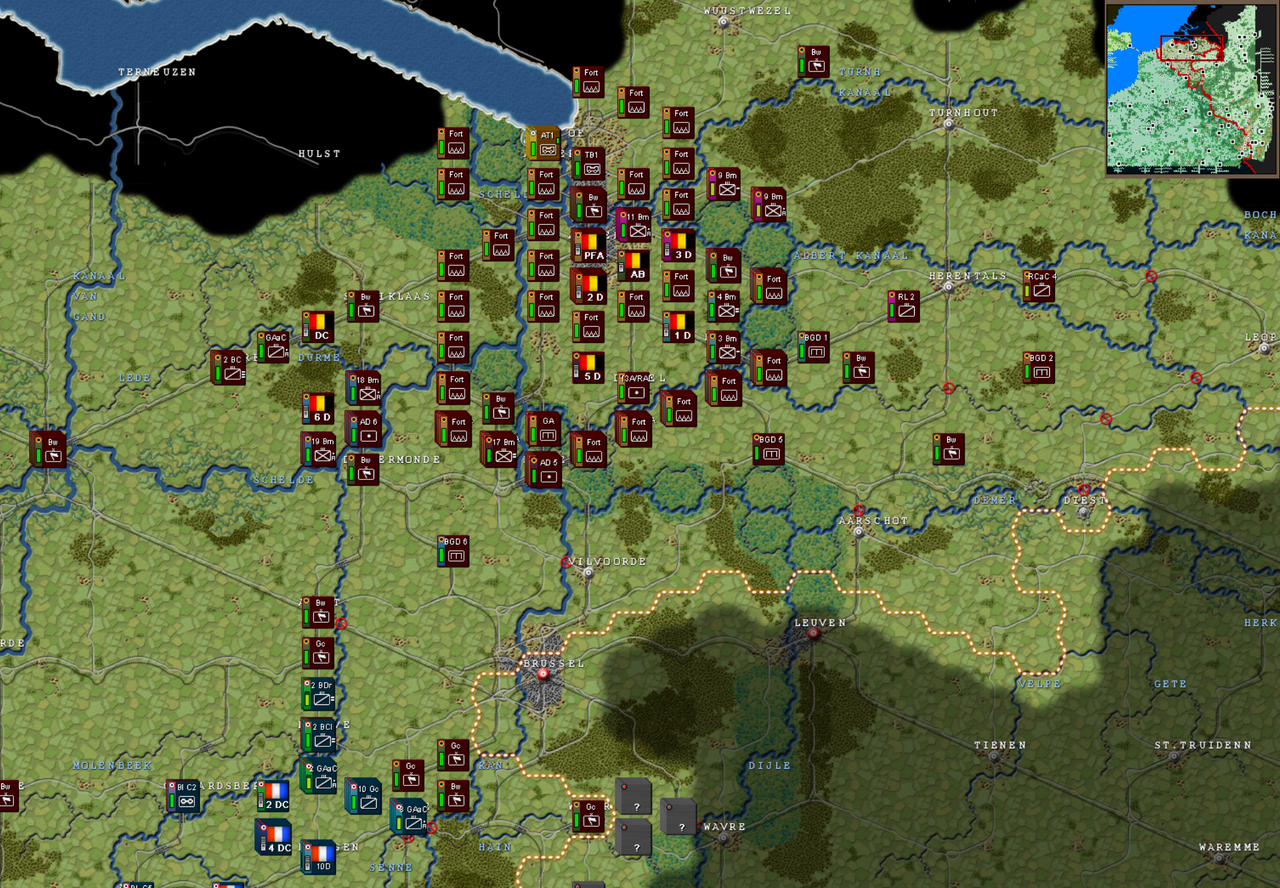
Liège is bent but unbroken: a secret report from the headquarters of Gérard Léman's
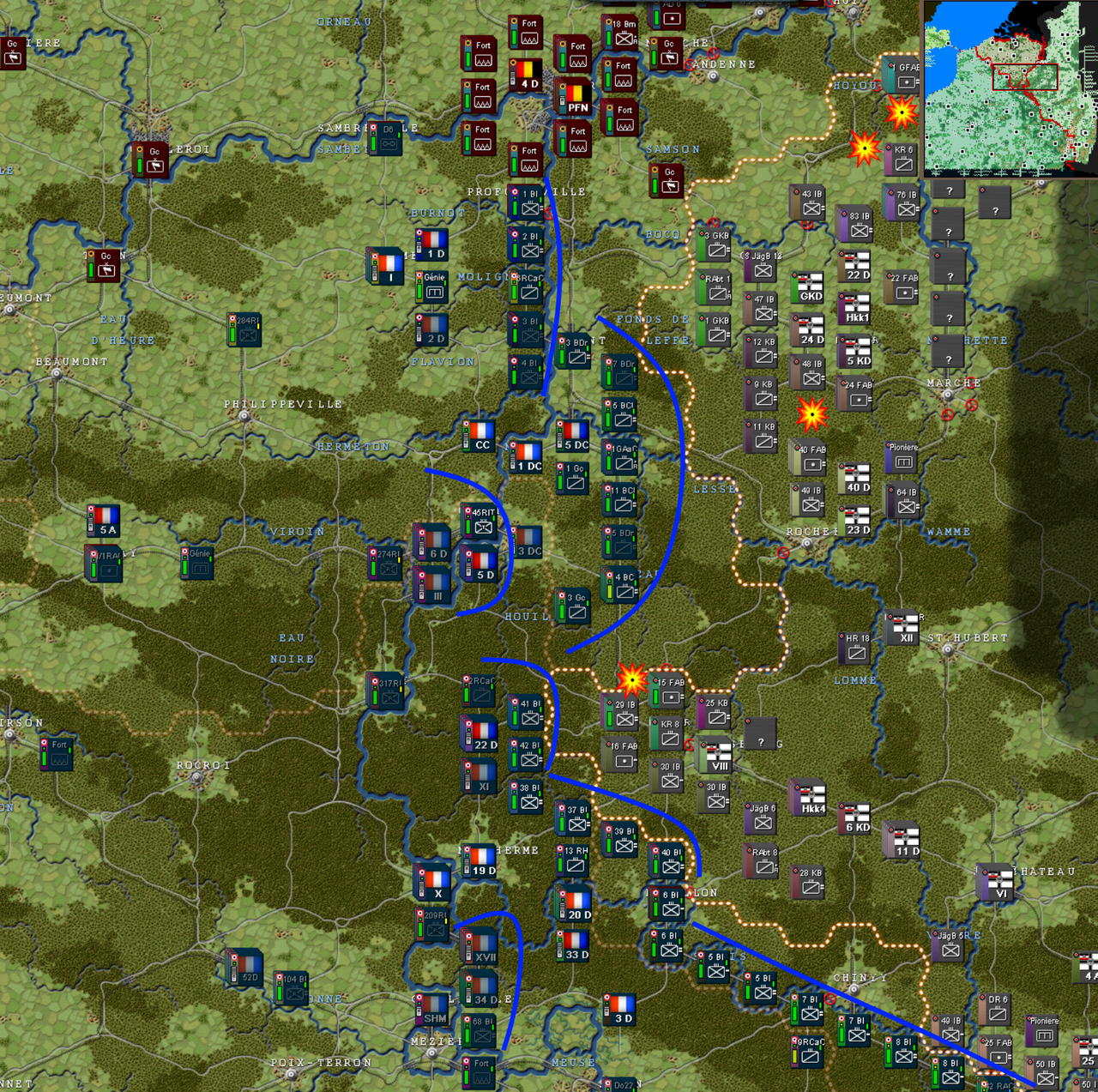
3. Division in charge of the defense acknowledges that super heavy German artillery is now firing at the forts on the right bank on the Maas. The Belgian cavalry was routed and is falling back behind the Maas where the bridges are being blown one after another.
Left flank:
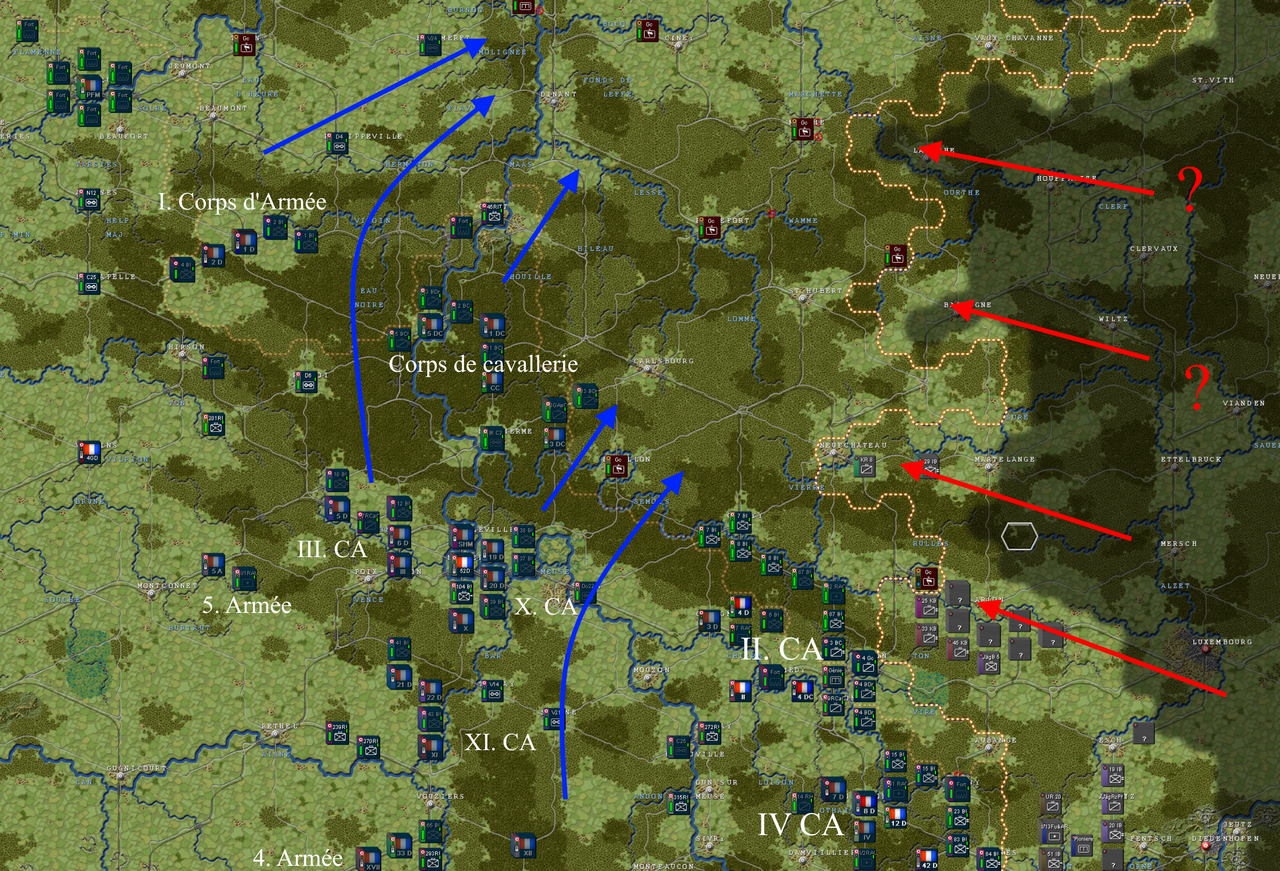
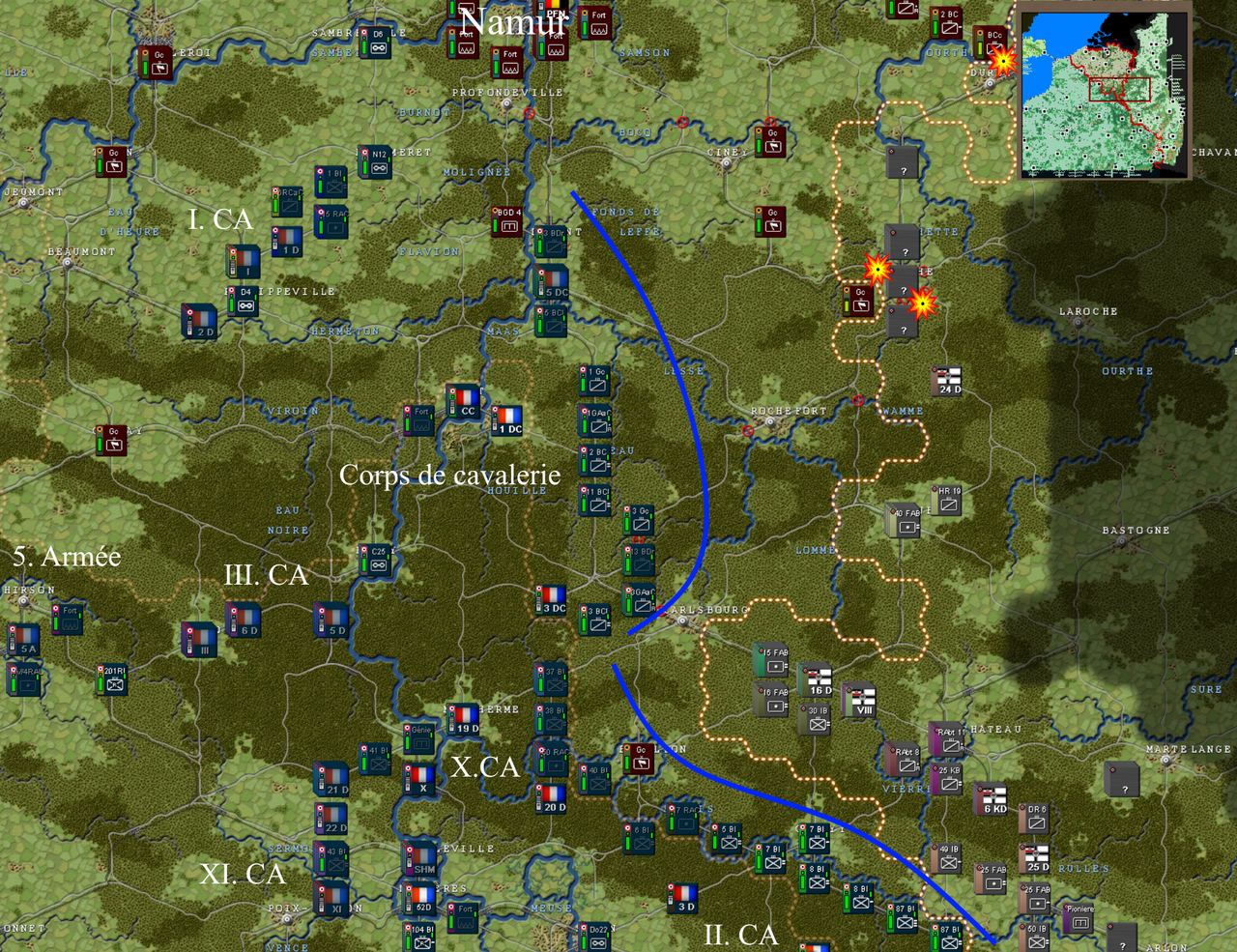
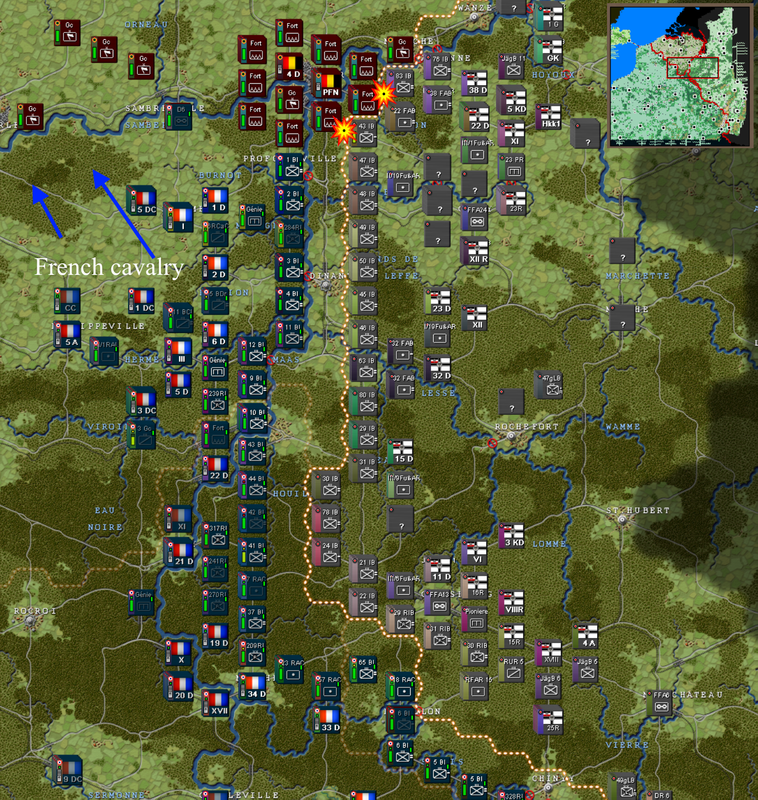
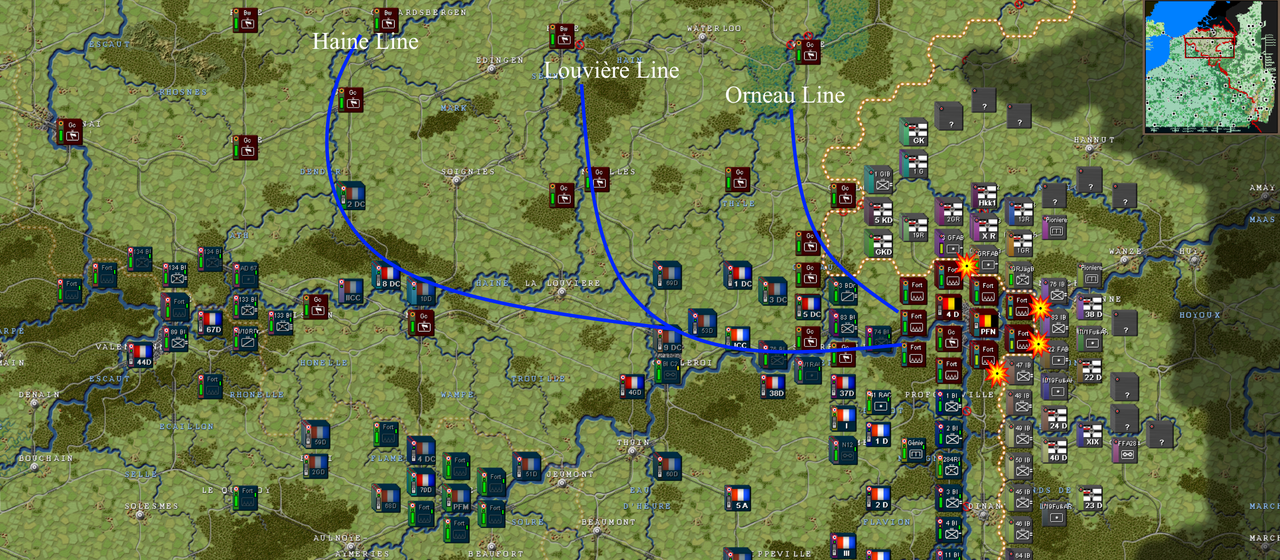
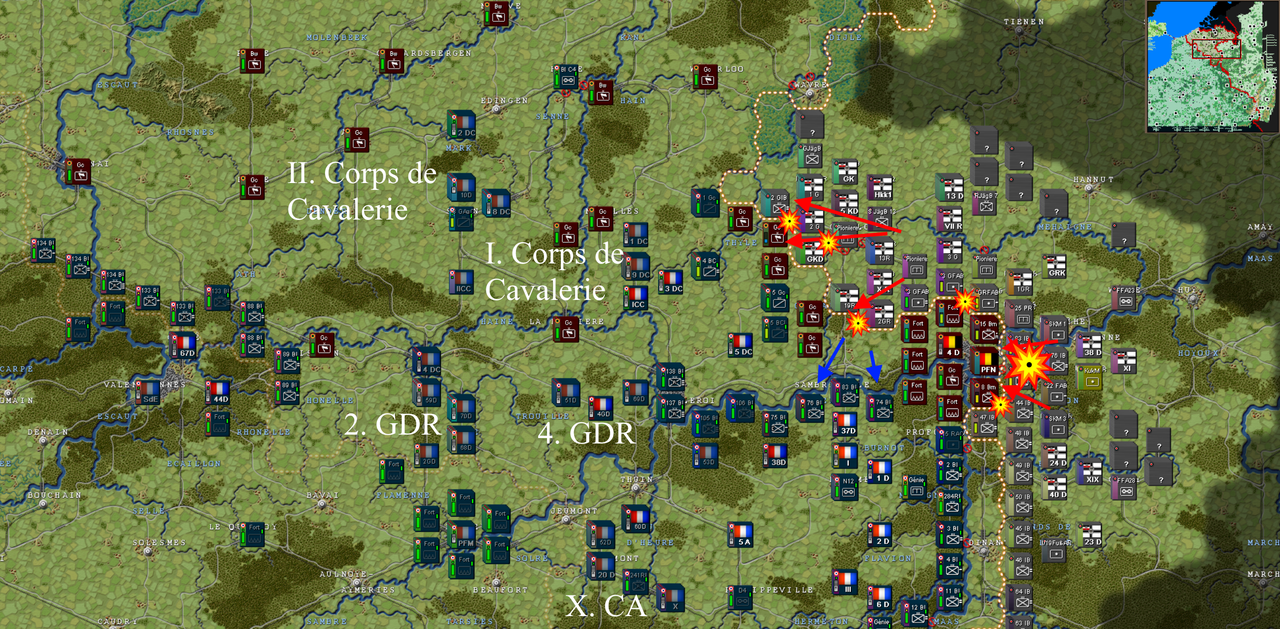
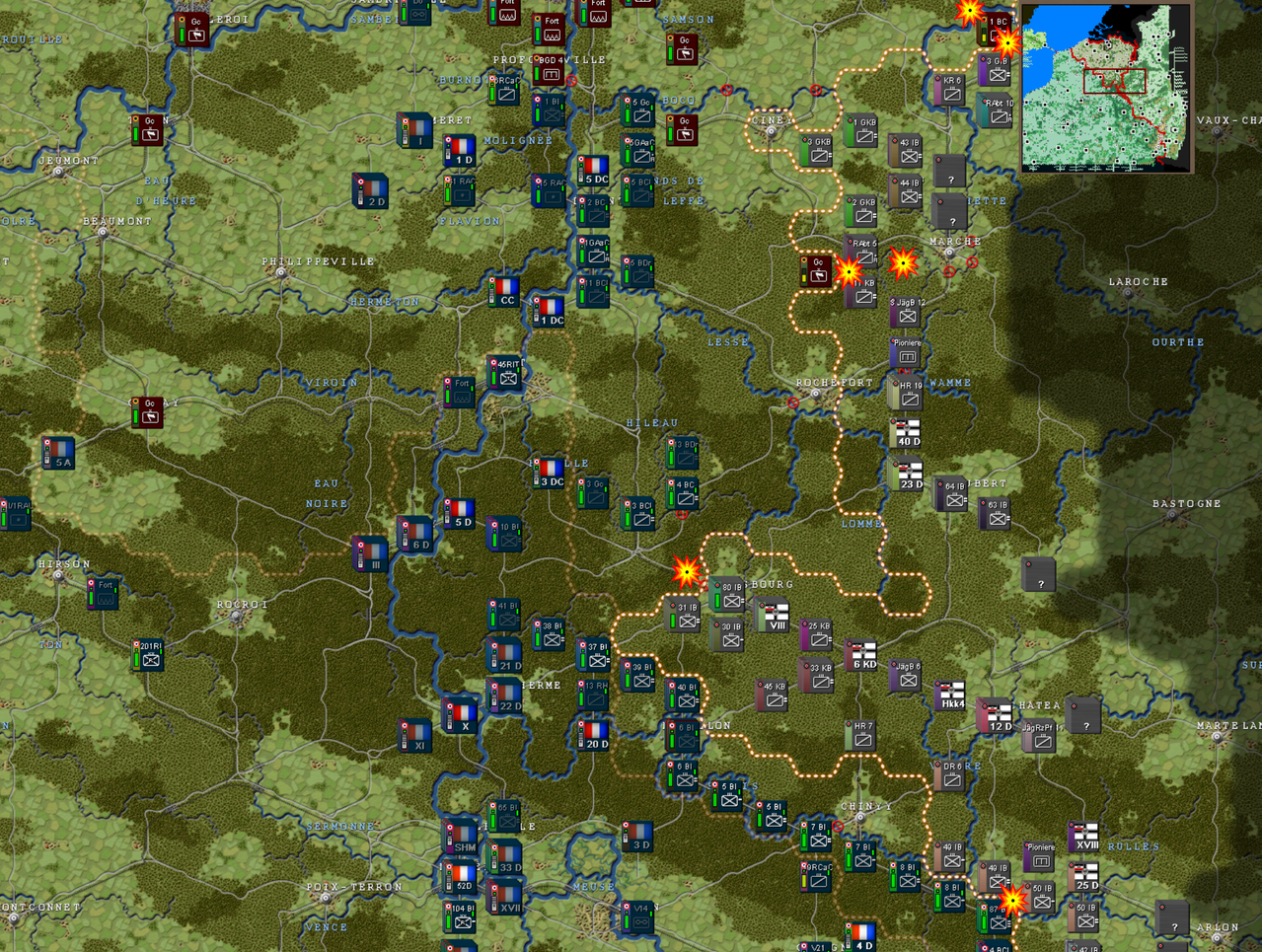 I. Corps d'armée
 (I.CA) made the connection with the Belgians at Namur while the
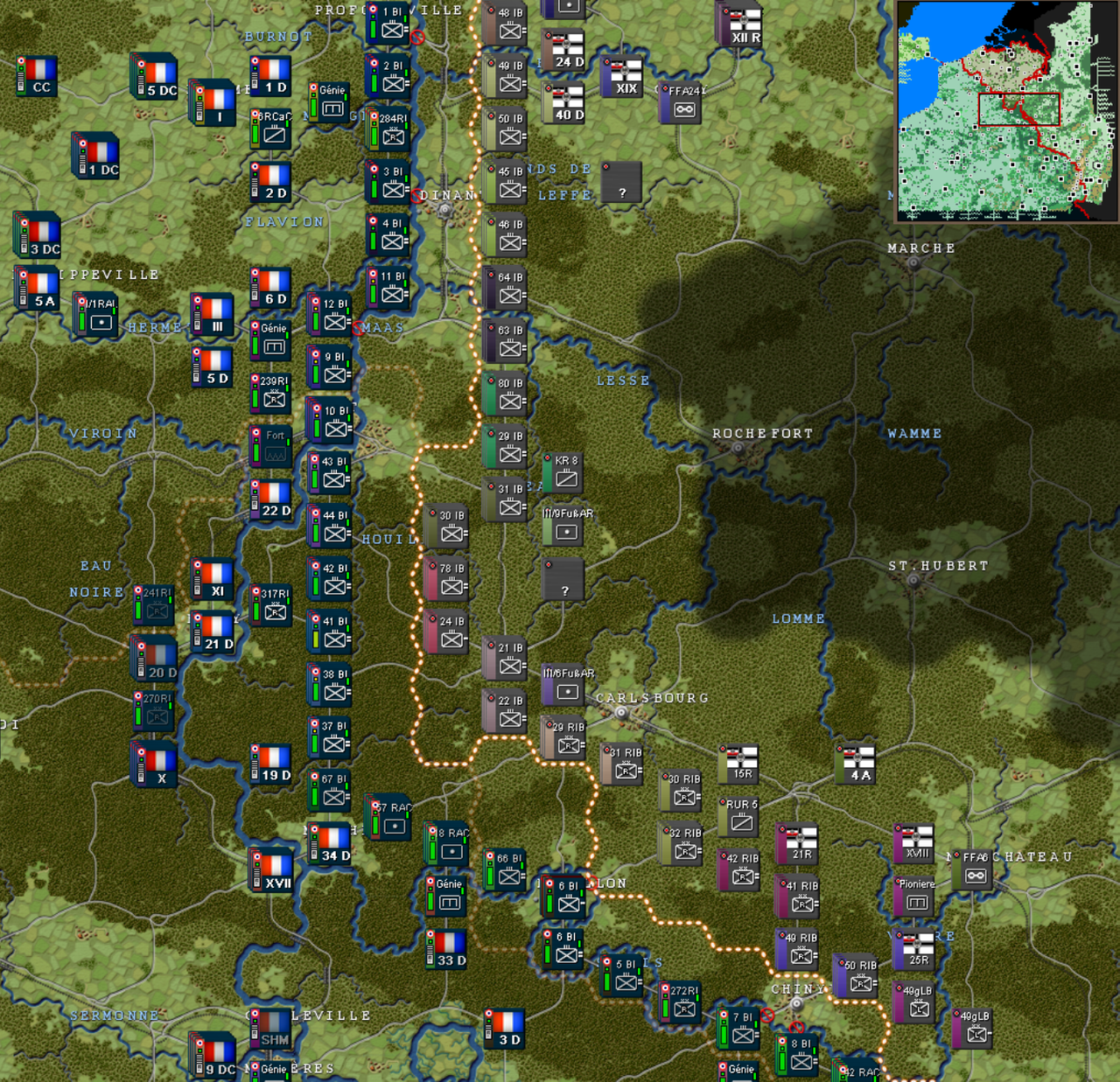
Corps de cavalerie is screening the Meuse crossing. The leading German column of infantry reached Carlsbourg where
3. Division de cavalerie blew the railway bridge under German artillery fire. In reaction of the battle at Longwy and to shorten it's frontline
II. CA abandoned Chiny and is currently blowing up the two bridges there.
Center left:
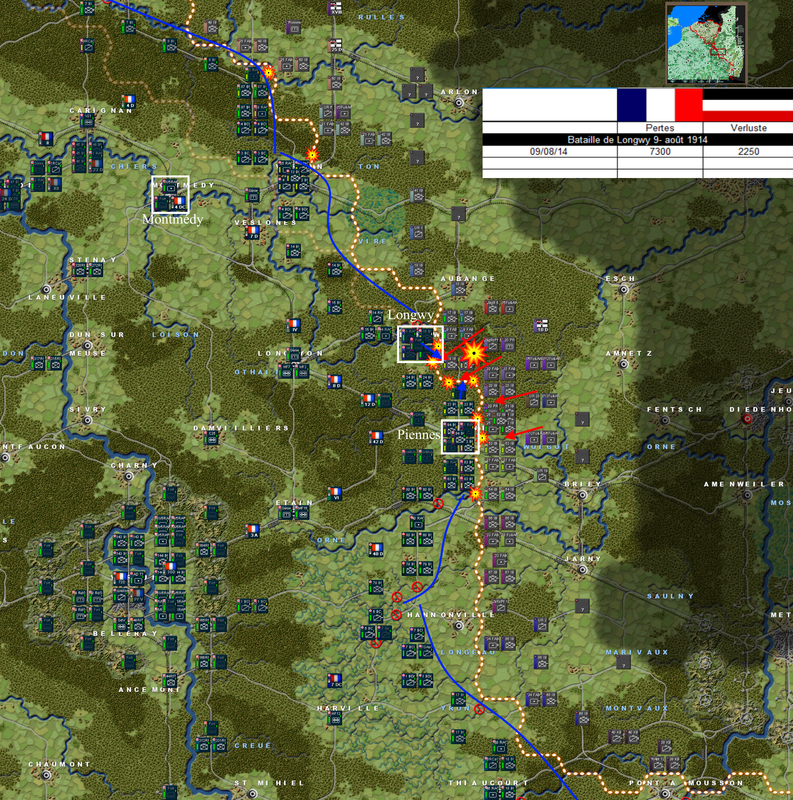
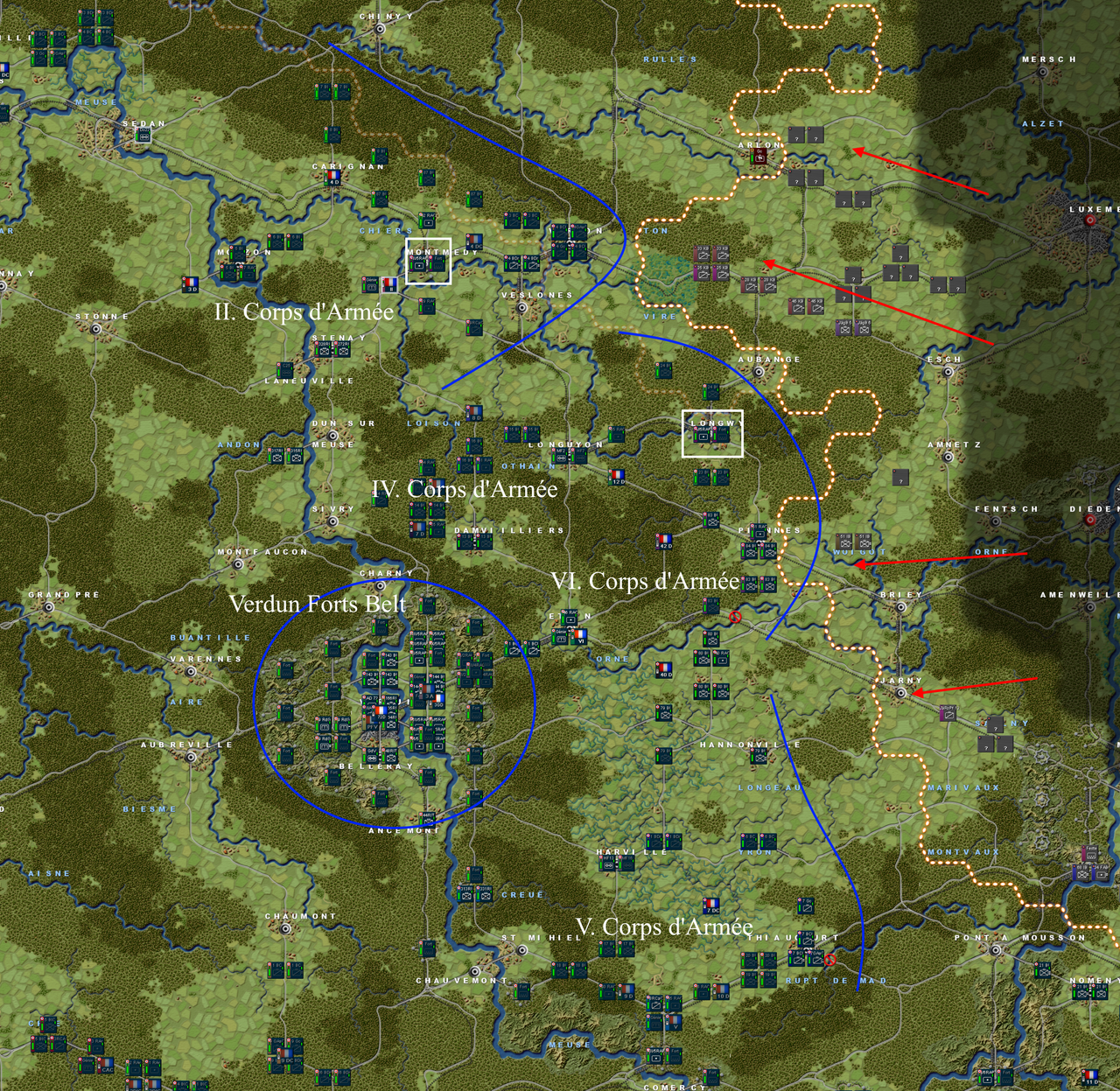
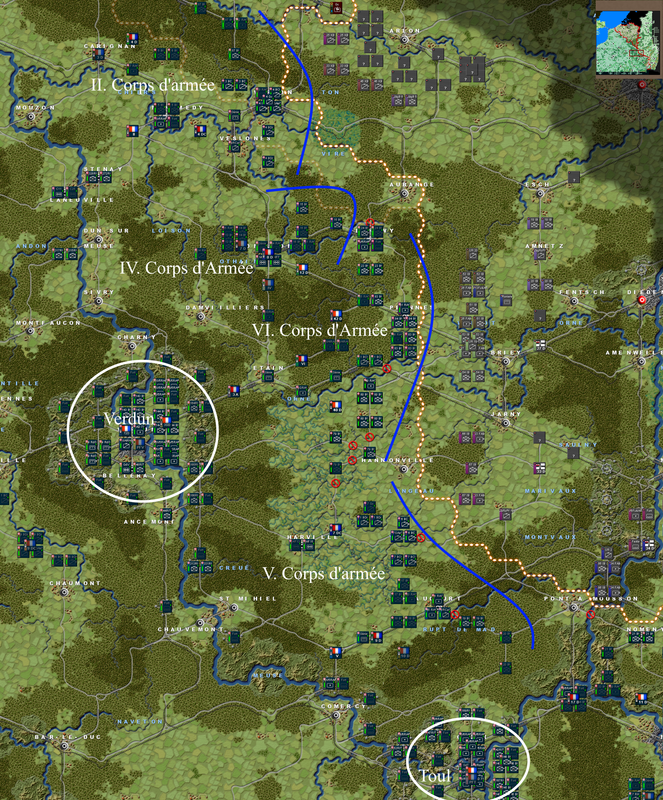
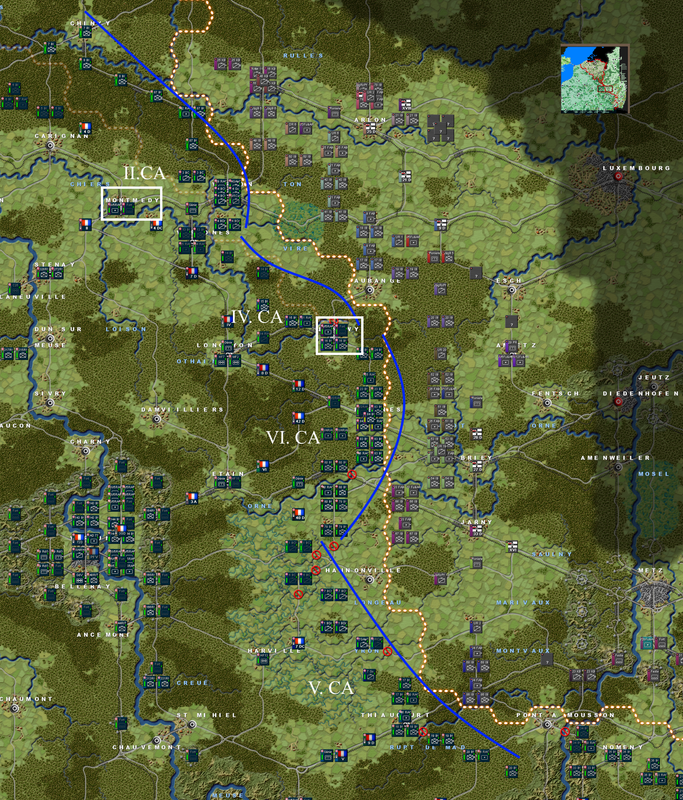
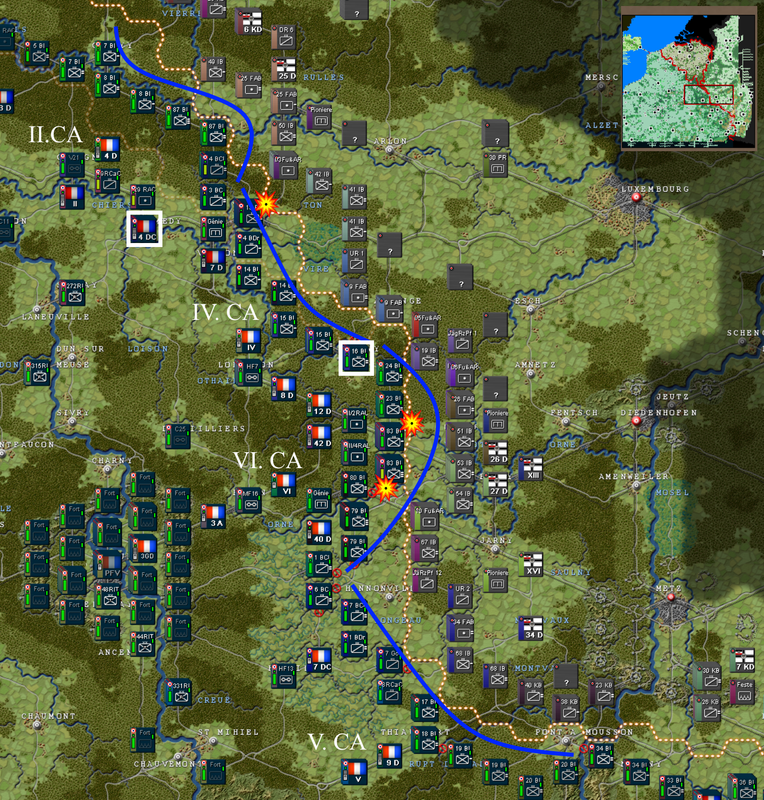
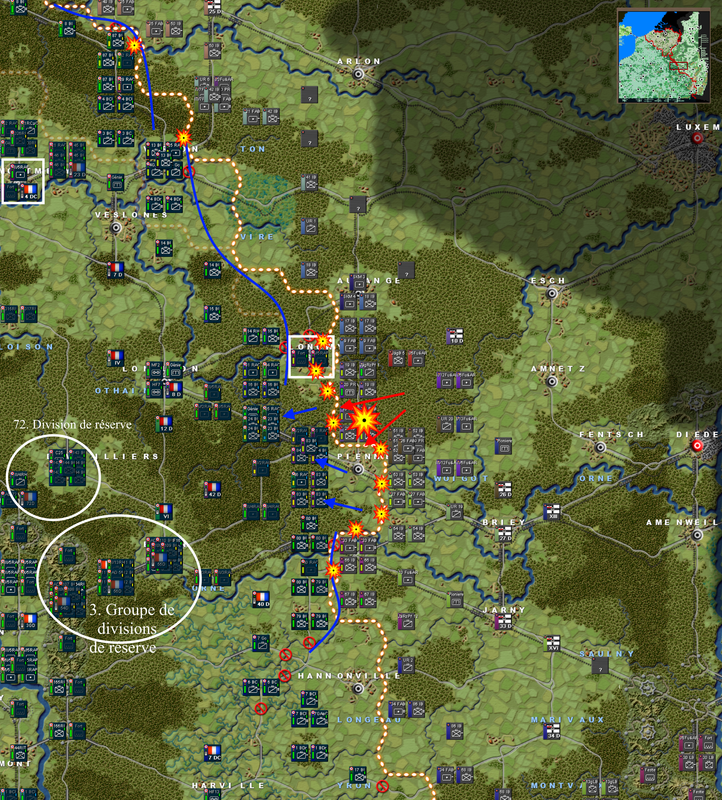
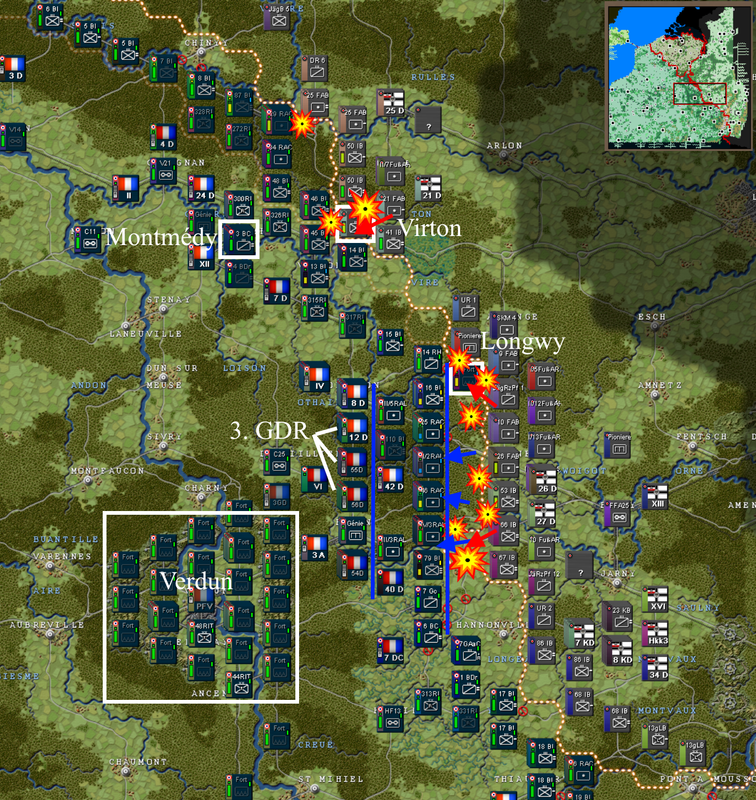
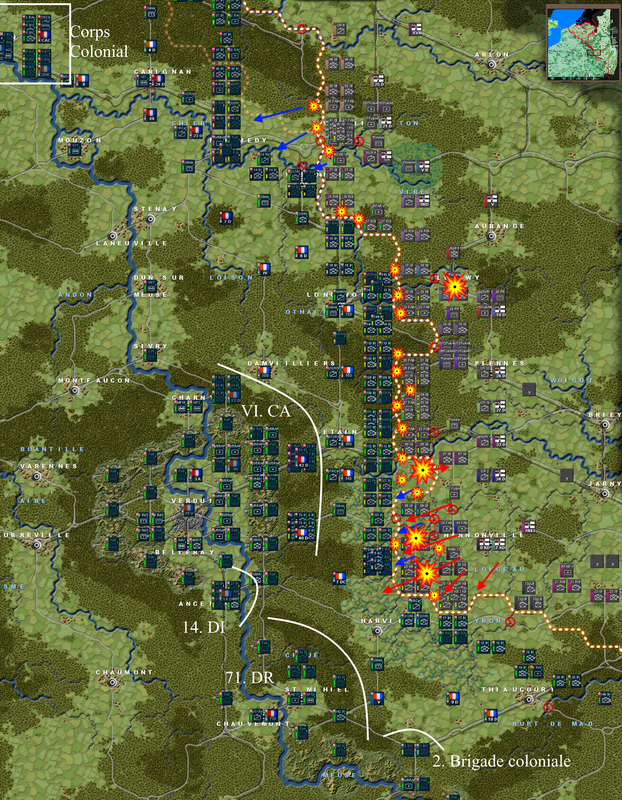
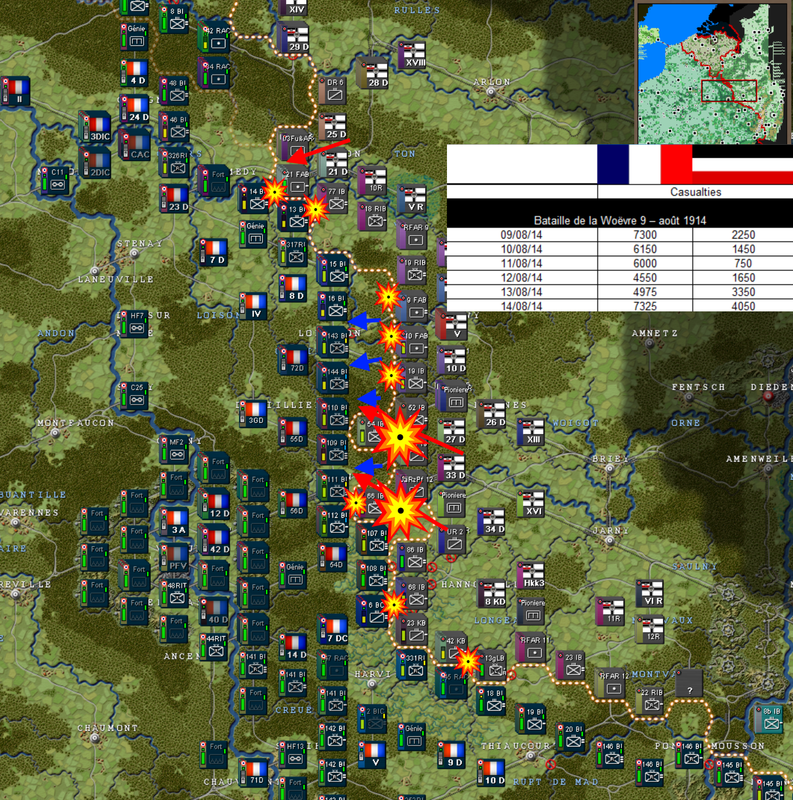
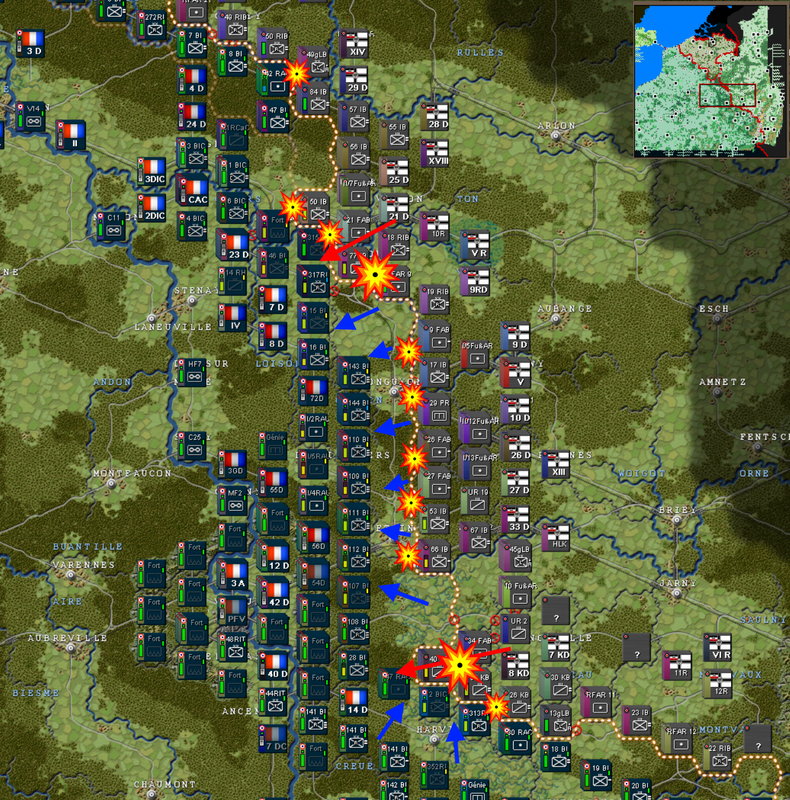
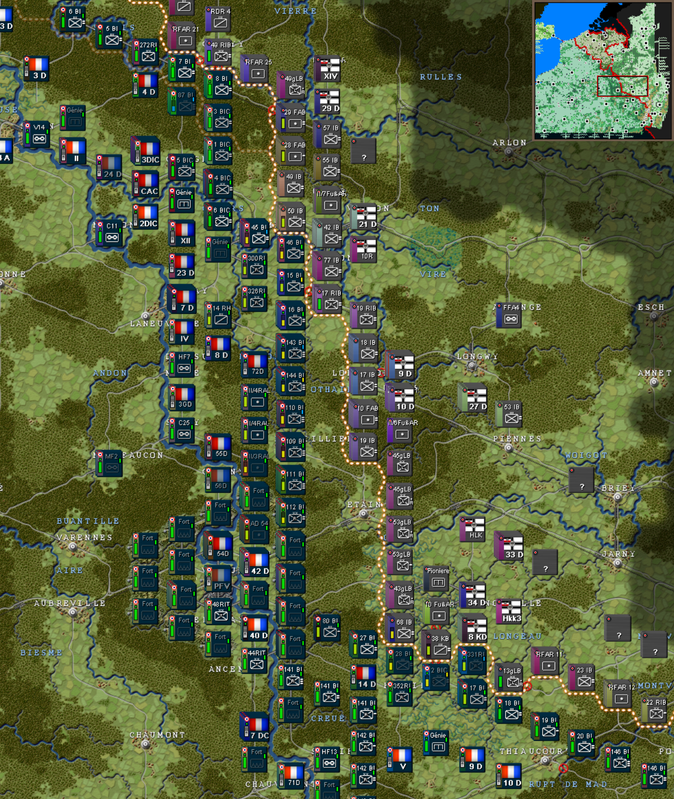
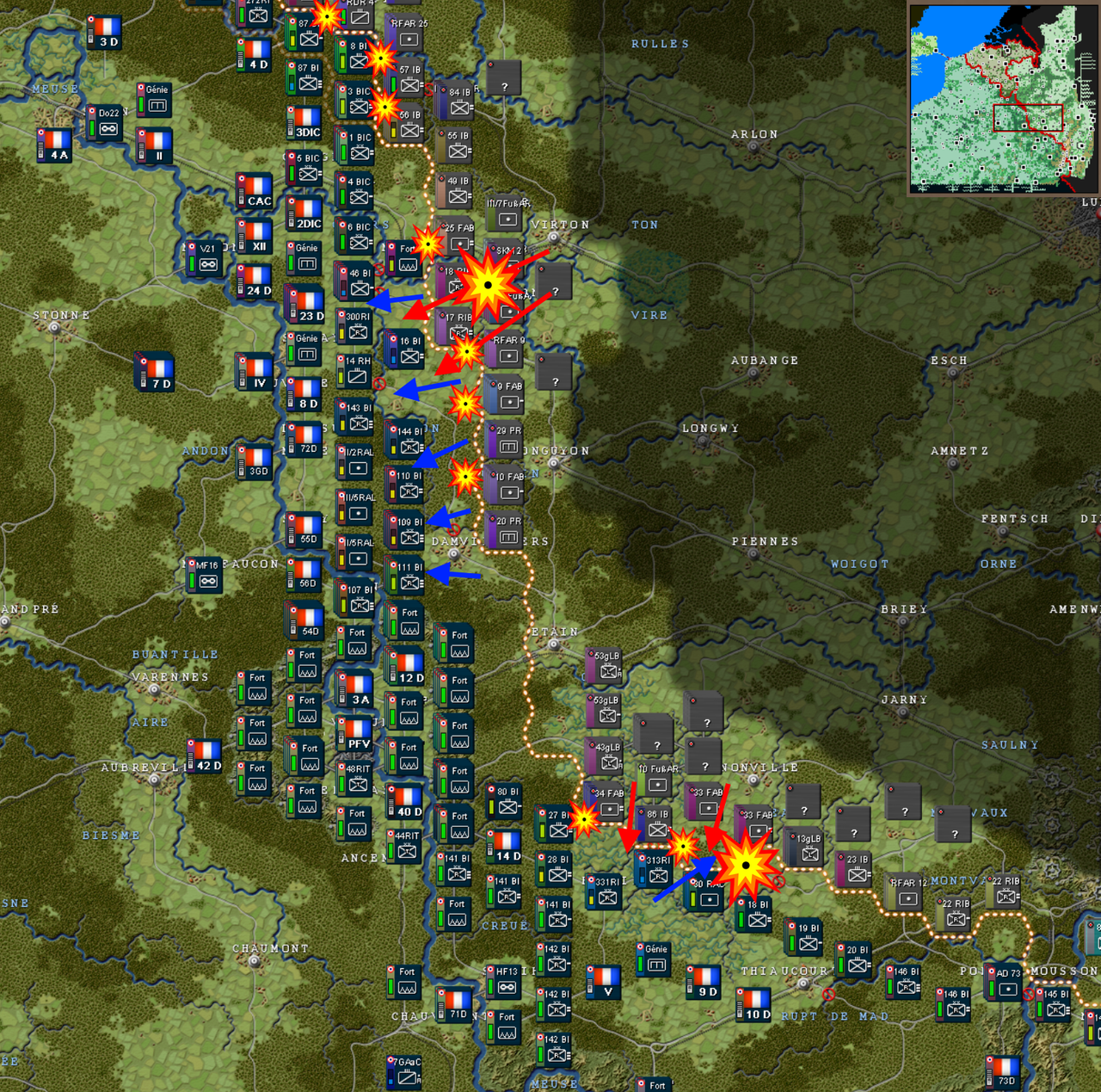
The expected German offensive in the center finally began, but the main attack occurred in the woods between Piennes and Longwy instead of hitting
42. Division d'infanterie. Thus it is Martial Verraux's
12. Division d'infanterie (12. DI) that took the brunt of the first day's offensive. Casualties where high with German heavy artillery, including
21cm Mörser shells, hammering the woods. The following infantry attack could not be stop and
24. Brigade d'infanterie (24. BI) suffered almost 40% casualties during the day. Victor Boëlle of
IV. CA ordered a counter attack from Longwy to aid the endangered
12. DI but
16. Brigade d'infanterie of
8. DI suffered heavy casualties trying to repulse the spearhead of the German 10th Division. Maurice Sarrail, commanding
VI. CA, sent several panicked messages to GQG asking for immediate aid from at the very least
72. Division de réserve still mobilizing as GQG reserve at Verdun.
Center right:
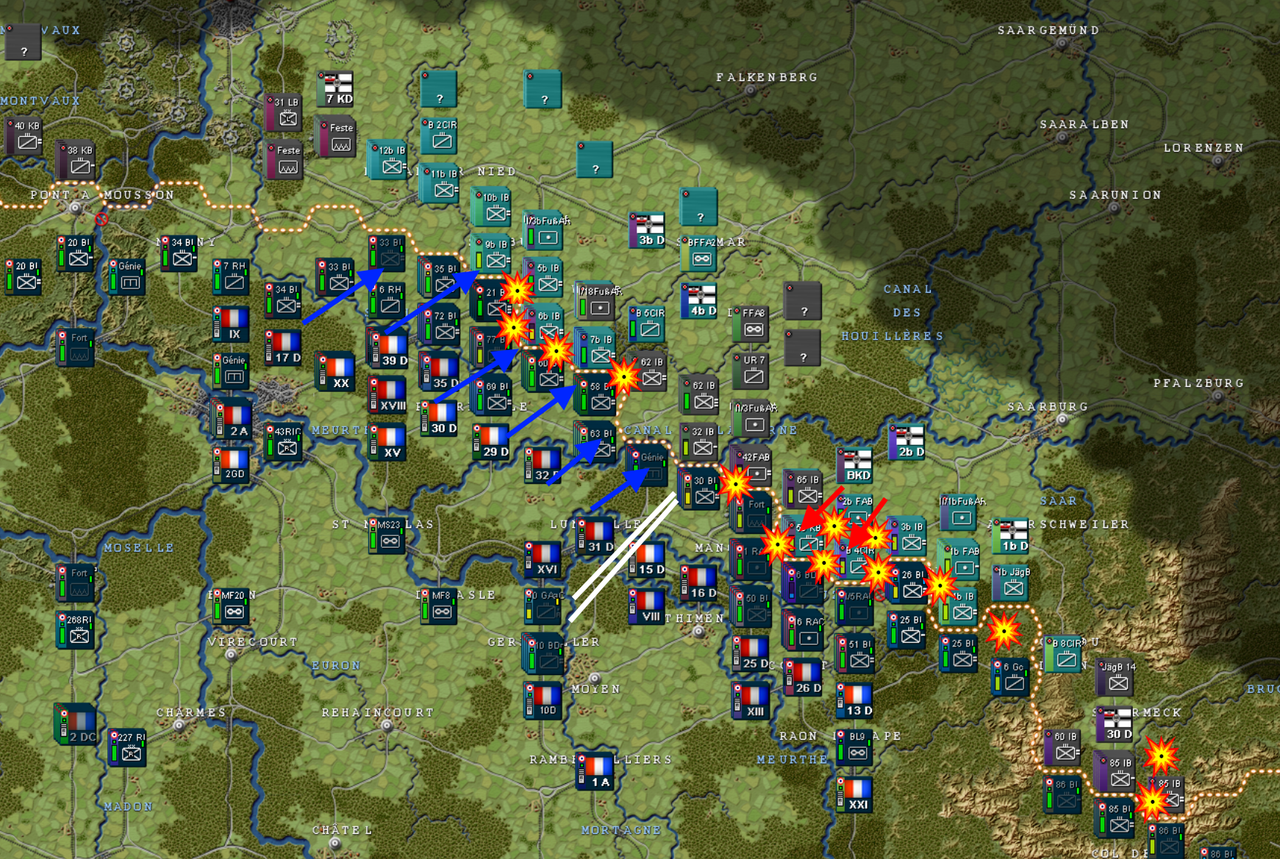
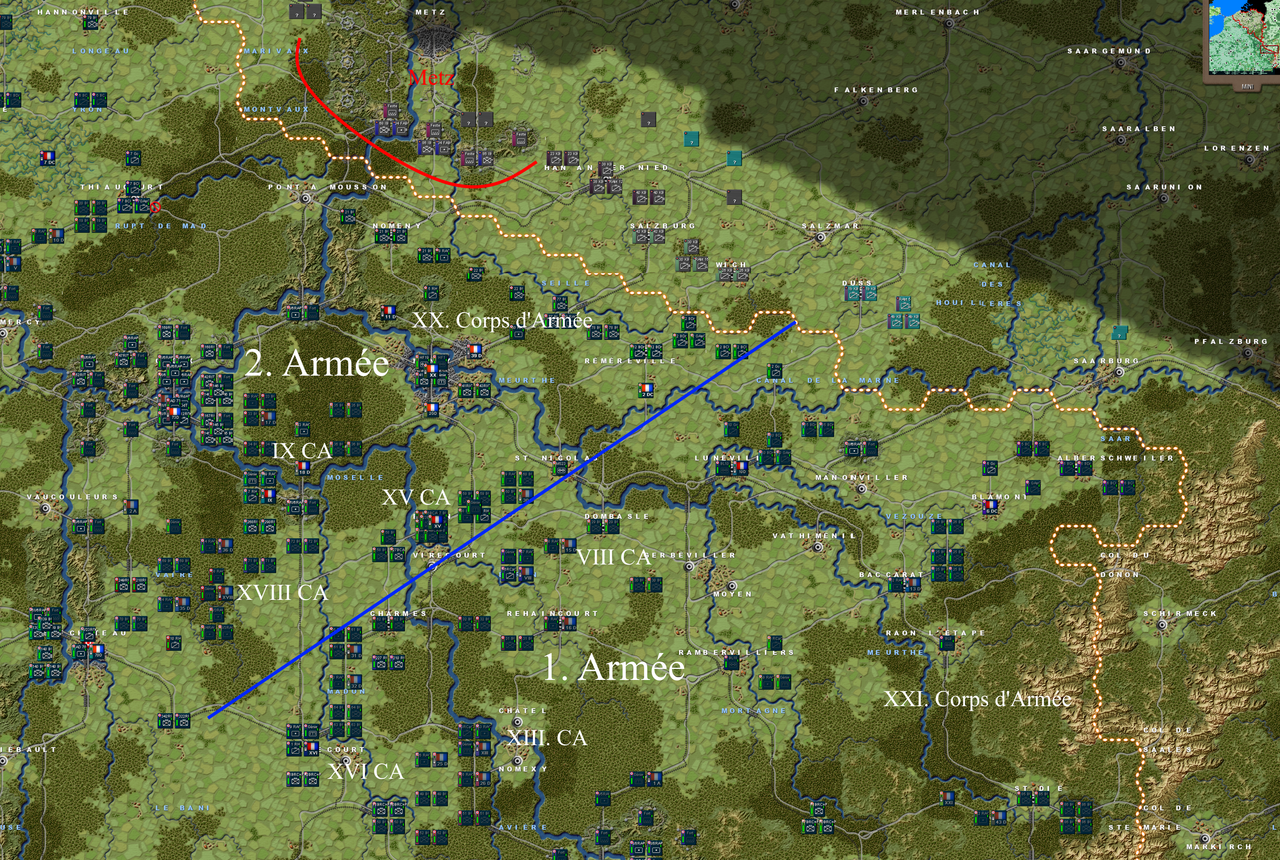
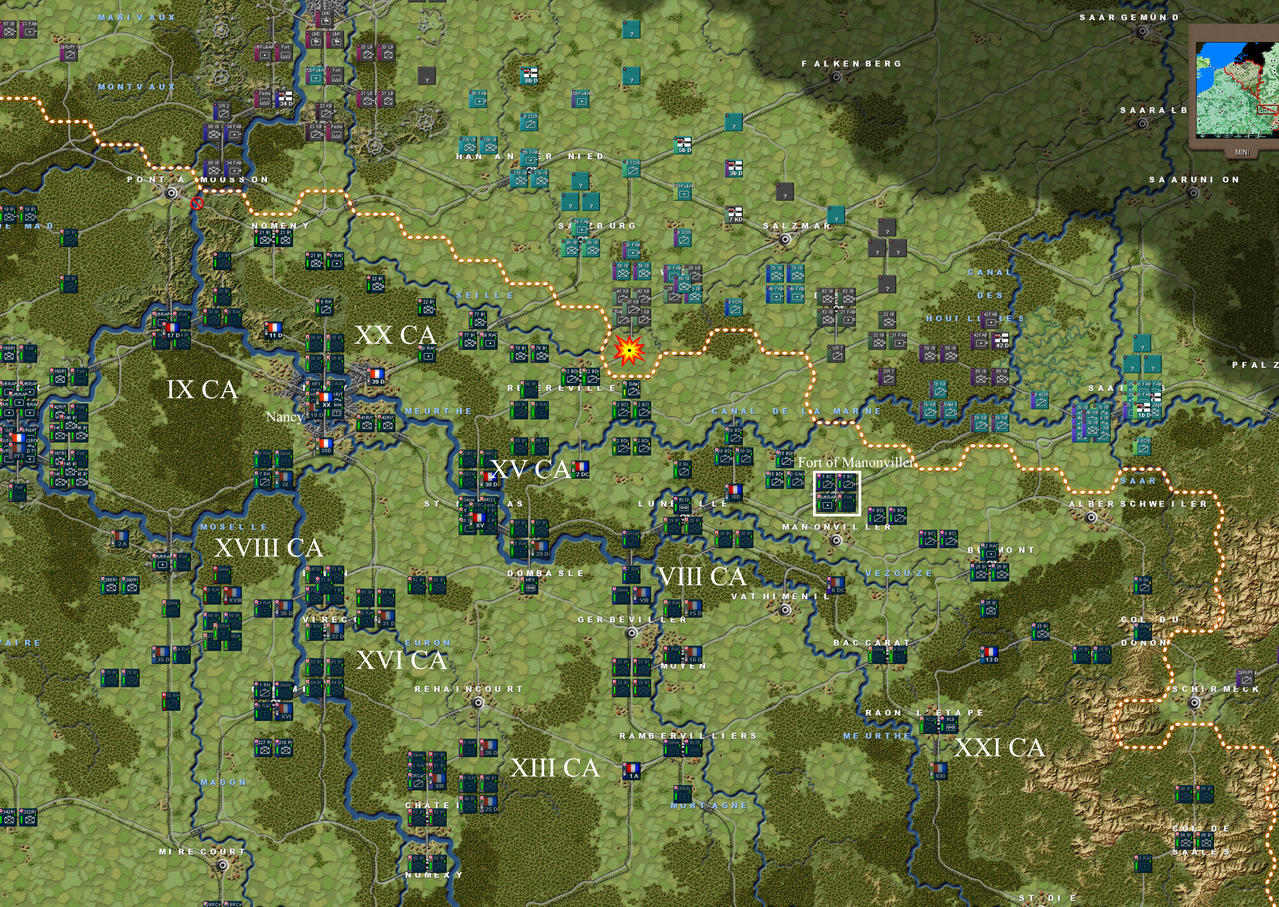
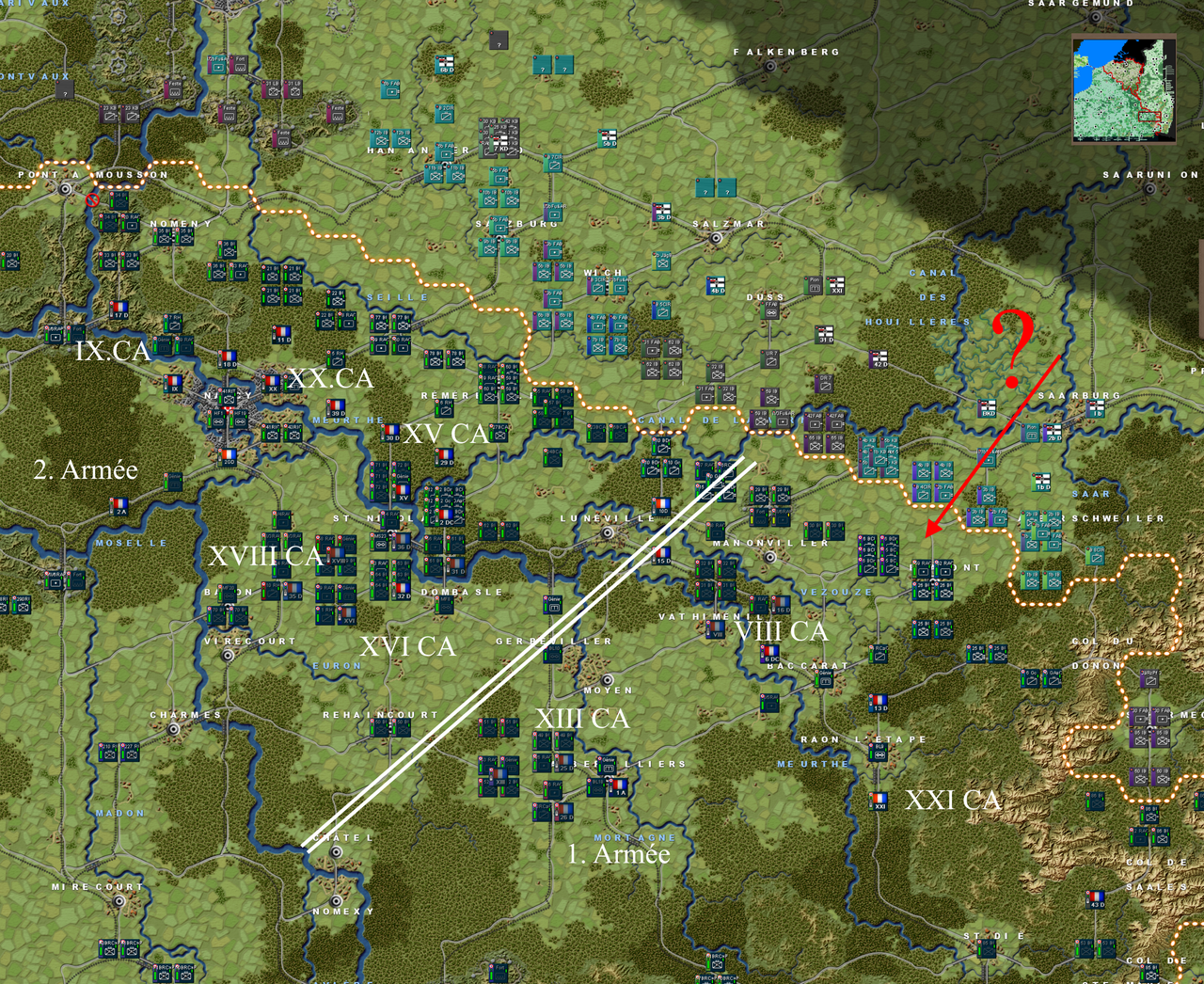
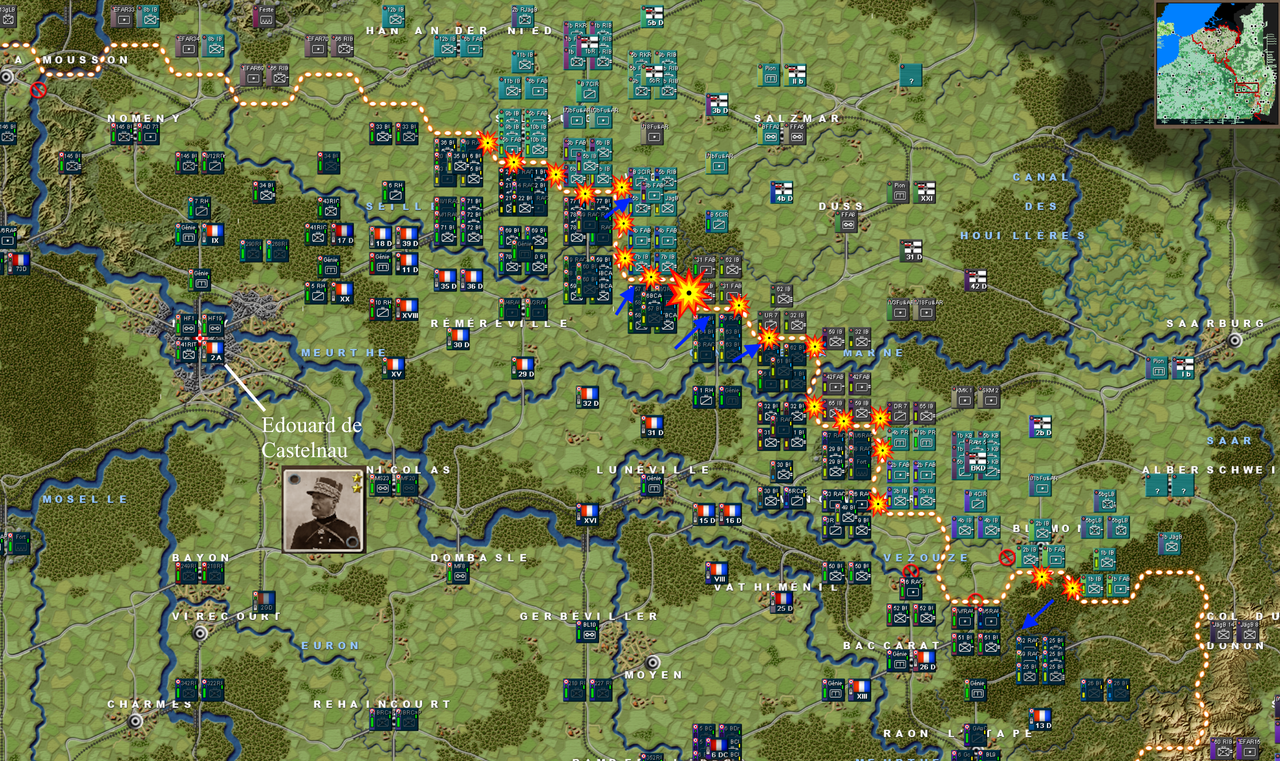
De Castelnau's offensive is starting with 6 divisions in front followed by 2 more.
39. Division d'infanterie launched the first unsuccessful assault but the real fighting should start of the 10th.
10. Division de cavalerie was pulled out of the front as initially intended and will move west with
2. Division de cavalerie in the coming days.
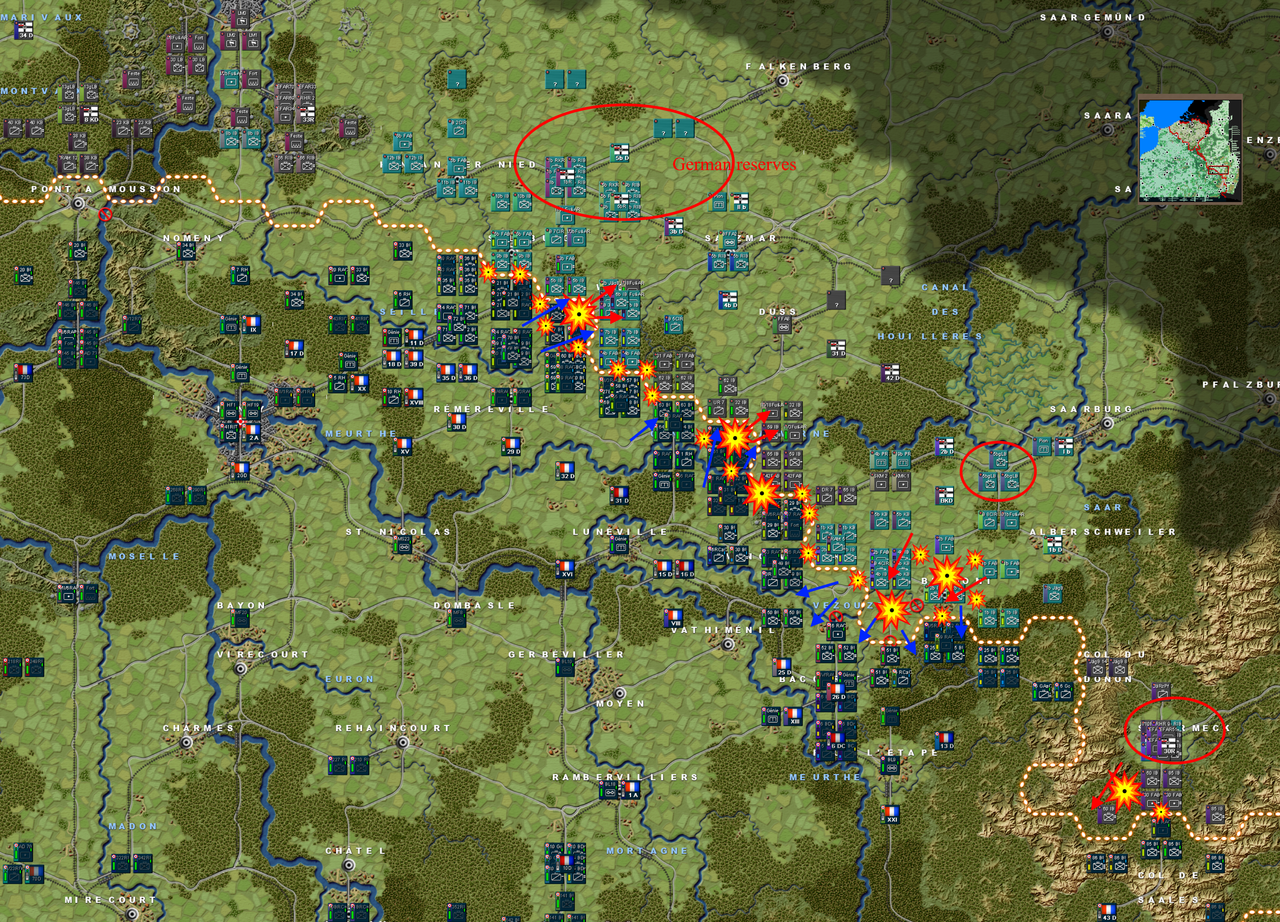
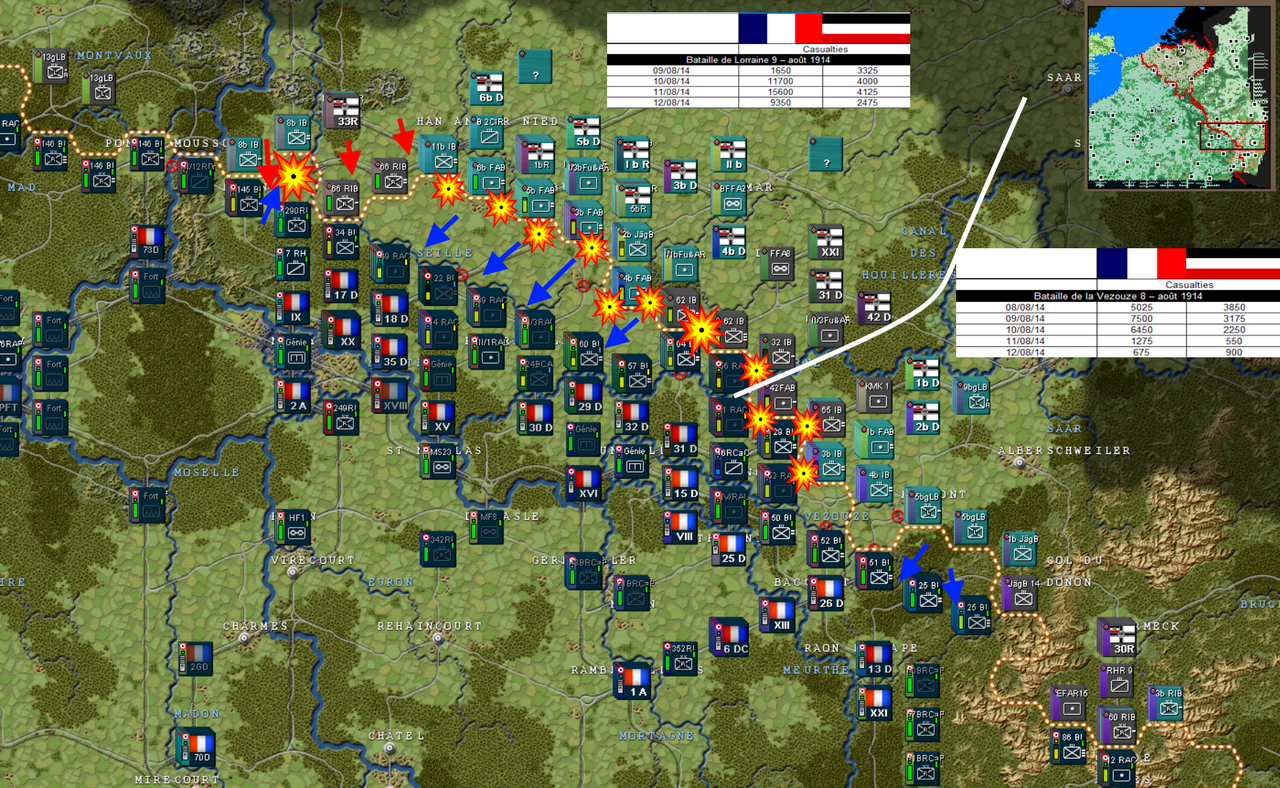
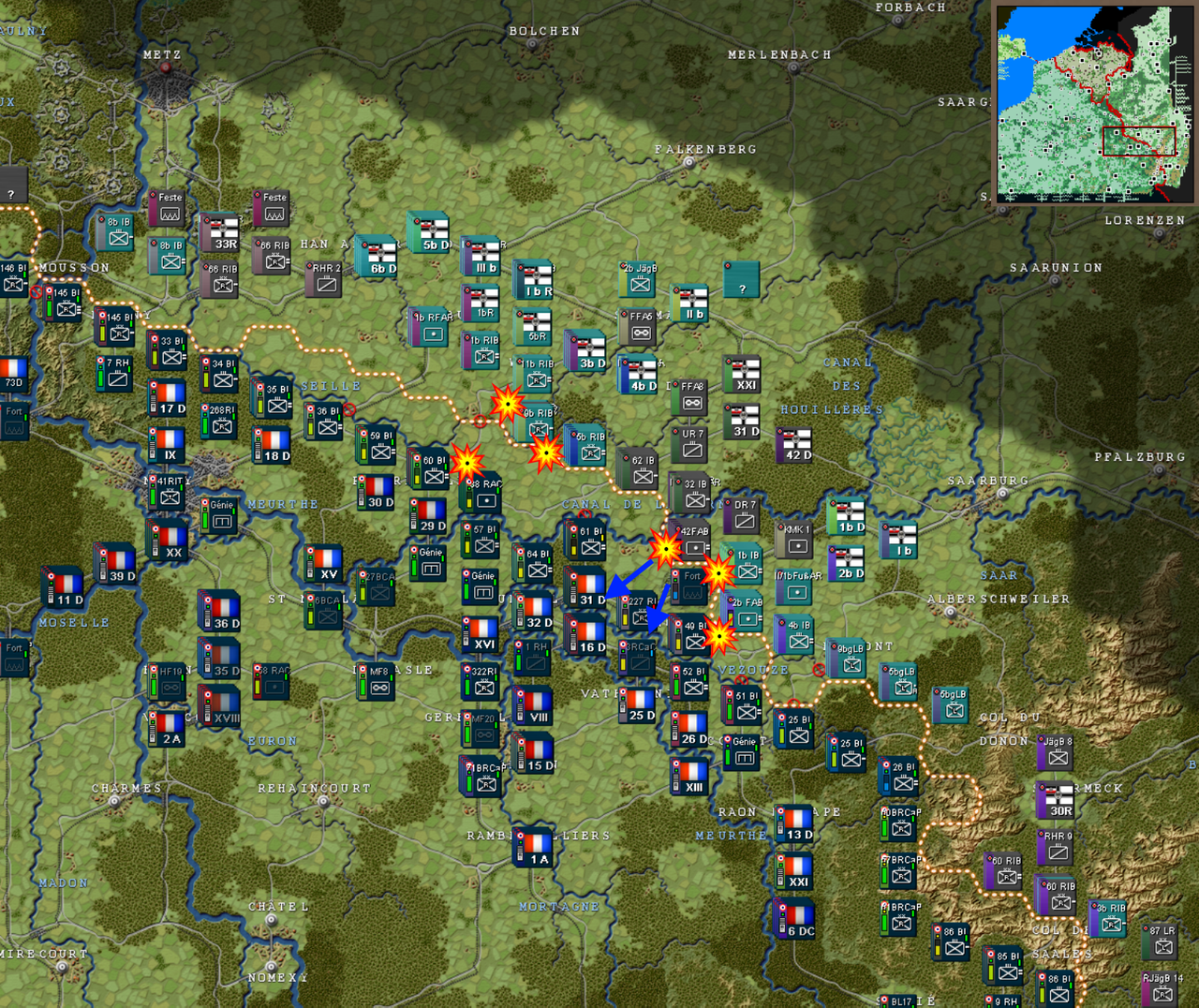
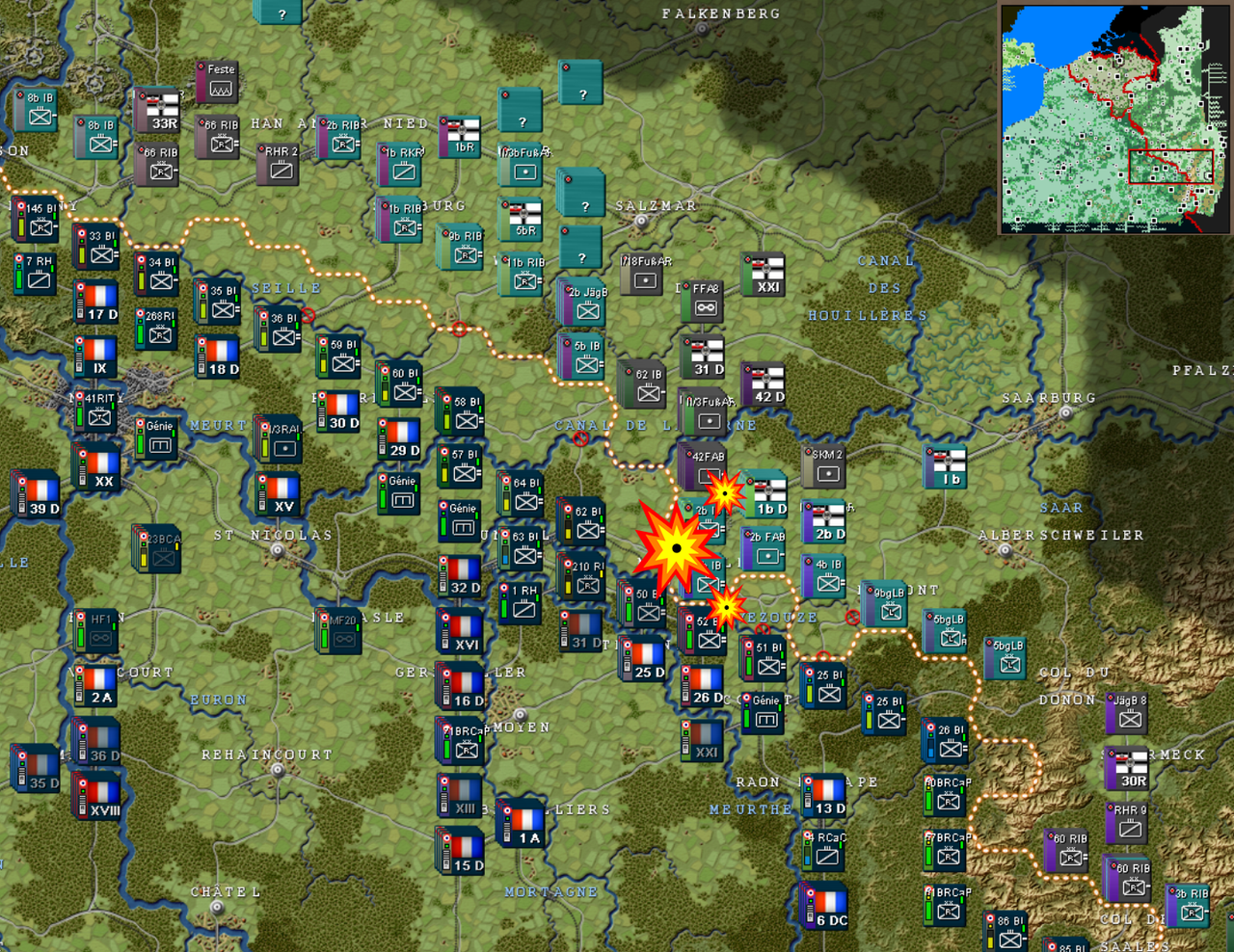
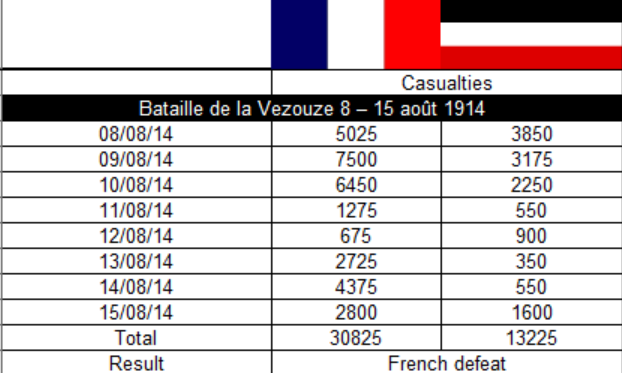
The main fighting was further east as the second day of the Battle of the Vezouze raged on:
Battle of the Vezouze
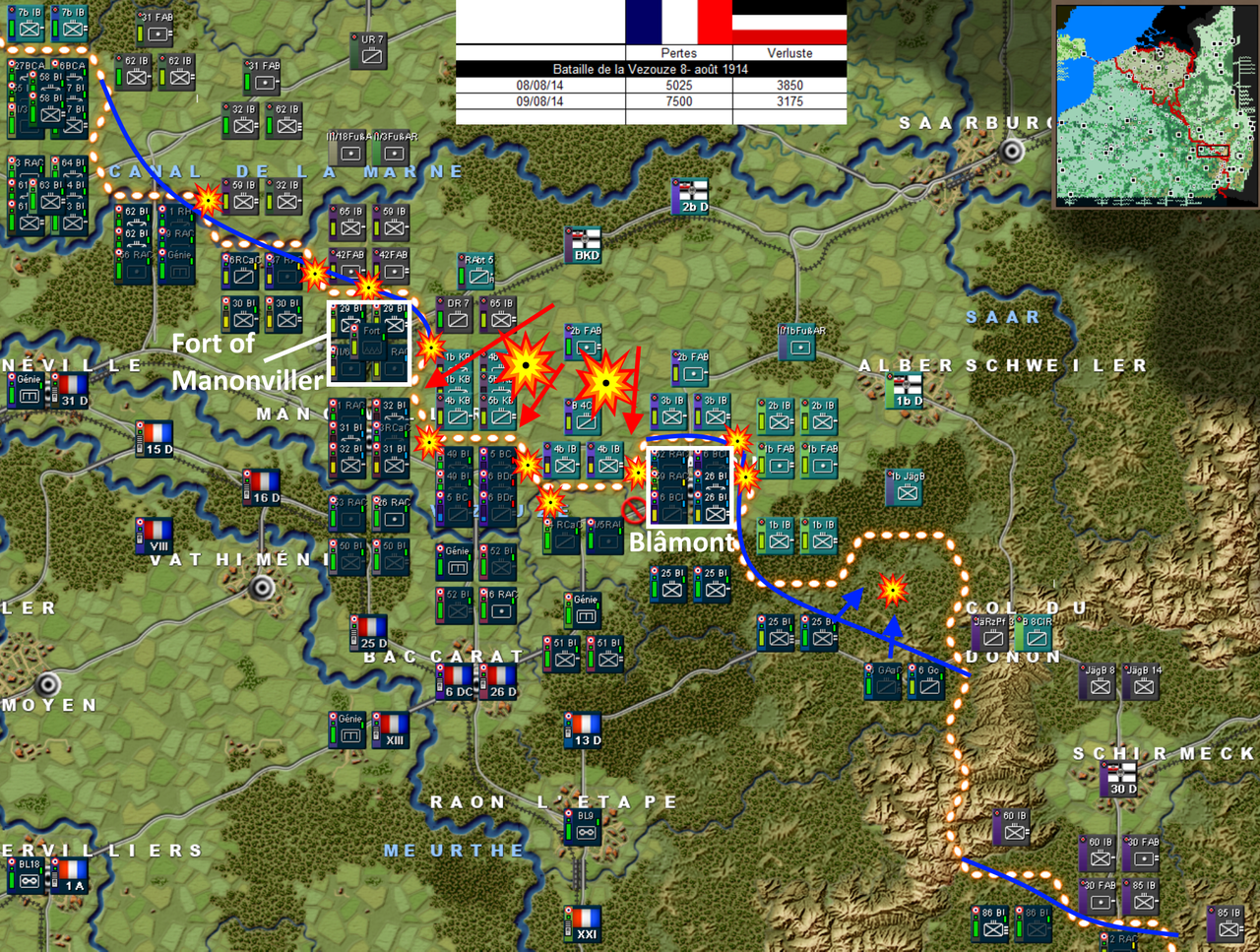
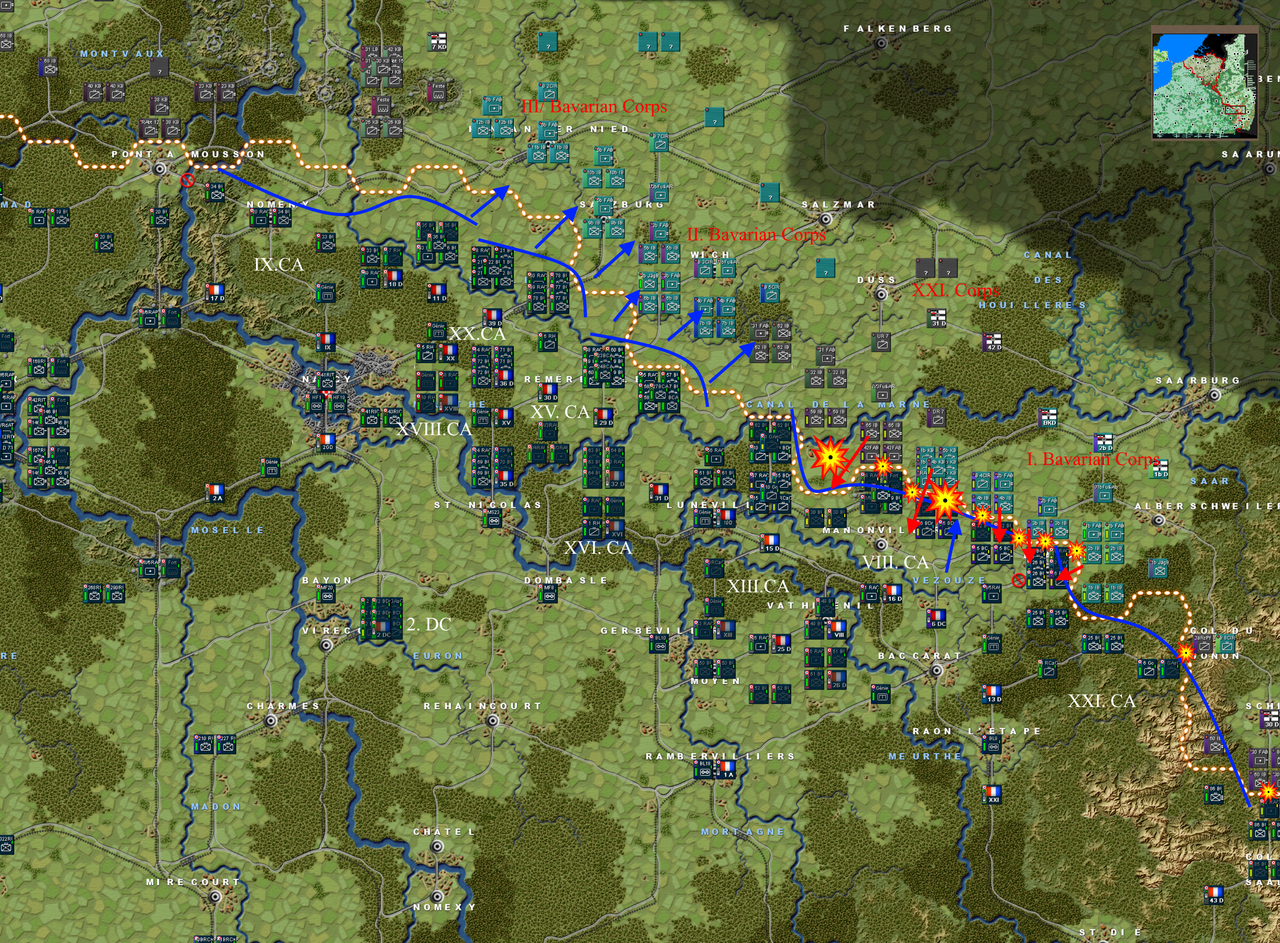
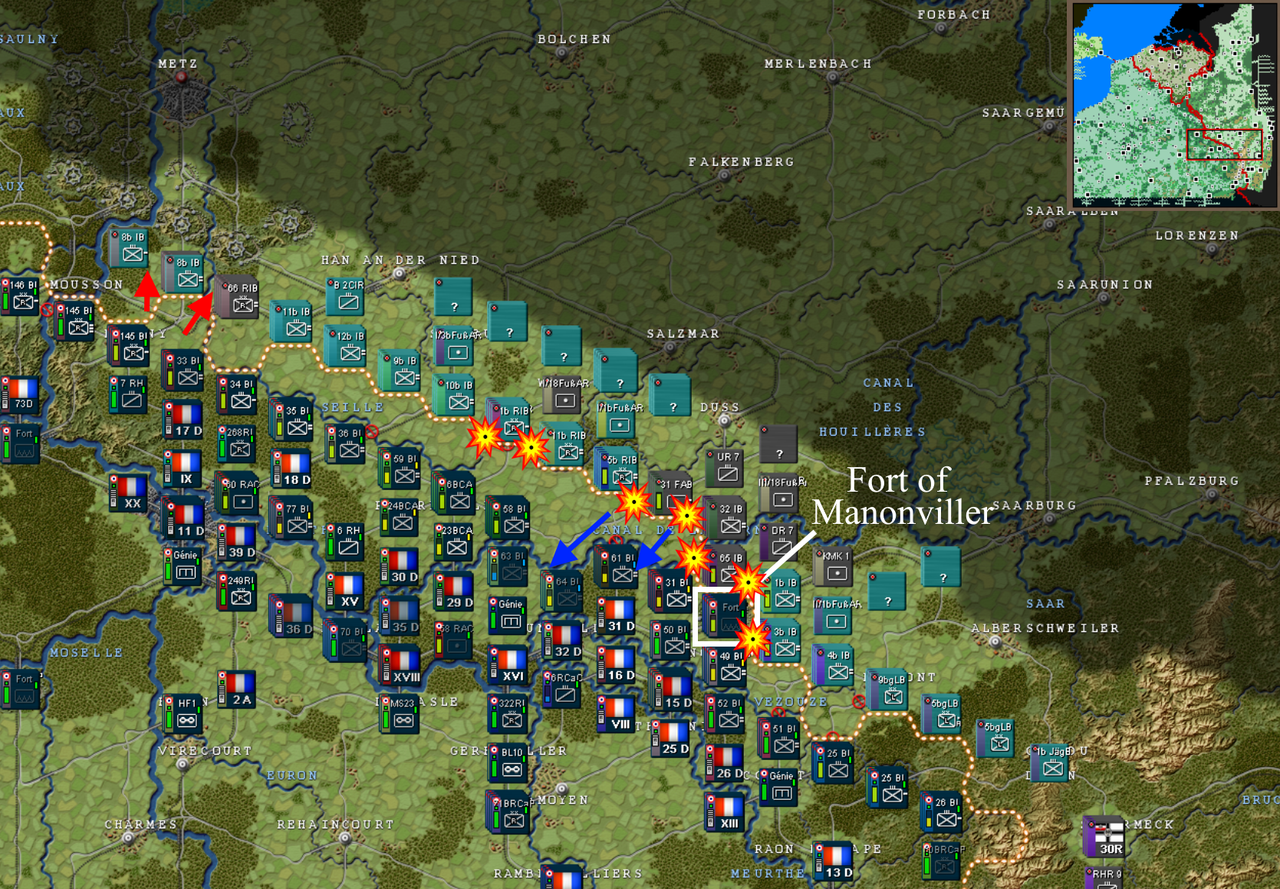
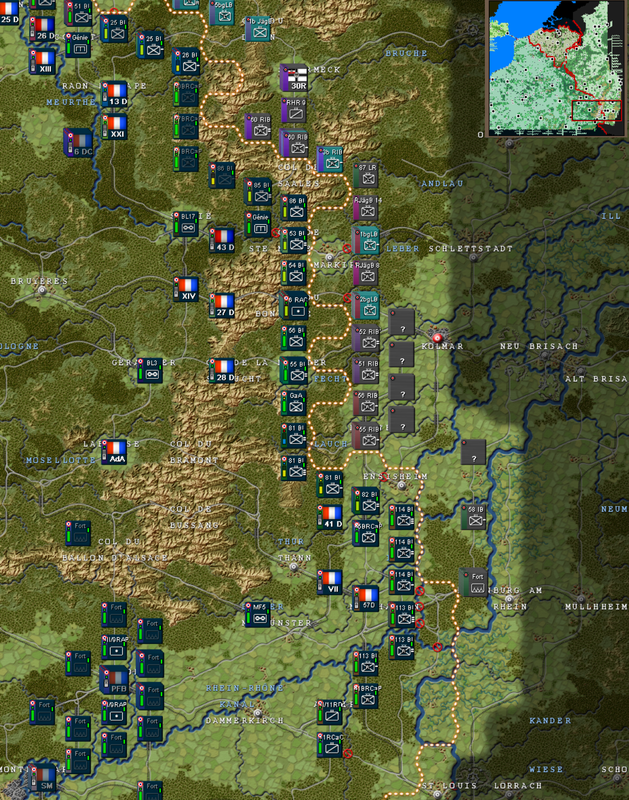
Following artillery barrages the Bavarian Cavalry division and 2nd Bavarian Infantry division renewed the attack for a second day between the fort of Manonviller and Blamont, attacking the newly arrived
16. Division d'infanterie. The Bavarian cavalry once again performed impressively and 16. DI lost 40% of it's strength during the day of attacks and counter attacks. With
XIII. CA still a few kilometers away general Dubail had a choice of either abandoning Blâmont or engaging
6. Division de cavalerie (6. DC) to gain time. Refusing to give up his right flank Dubail ordered the cavalry charge and Levilain's
6. DC attacked: unfortunately he did not perform as well as the Bavarians and his attack was torn to shreds by machine guns of 4th Bavarian Infantry brigade.
5. Brigade of cuirassiers was down to 30% effective manpower by days end.
1. Armée and
XXI. CA are debating wherever to abandon Blâmont or hope for XIII. CA to change the course of the battle. The effect of
2. Armée's offensive is also expected to relieve pressure from the front if the Bavarians have to reroute artillery to defend their center.
Right flank:
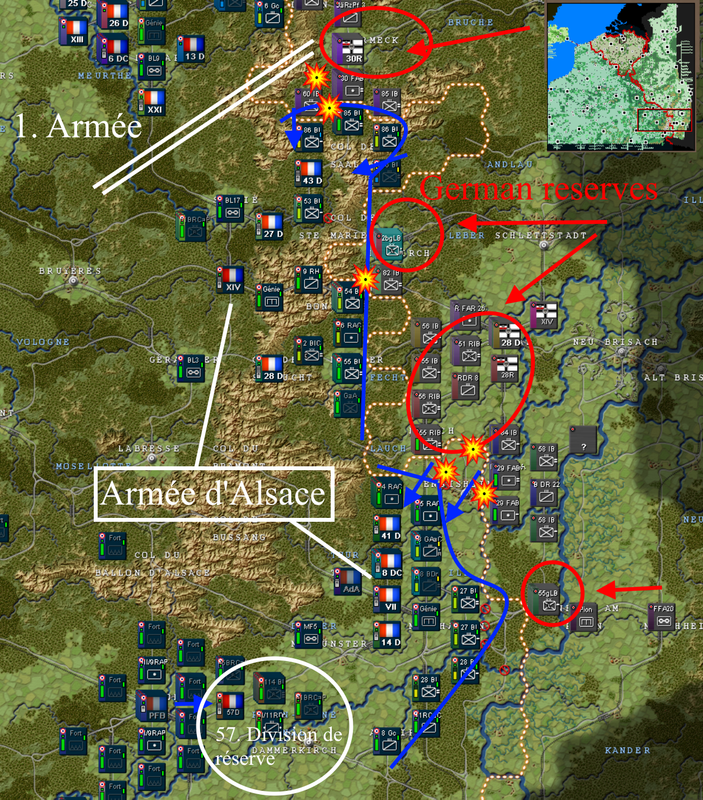
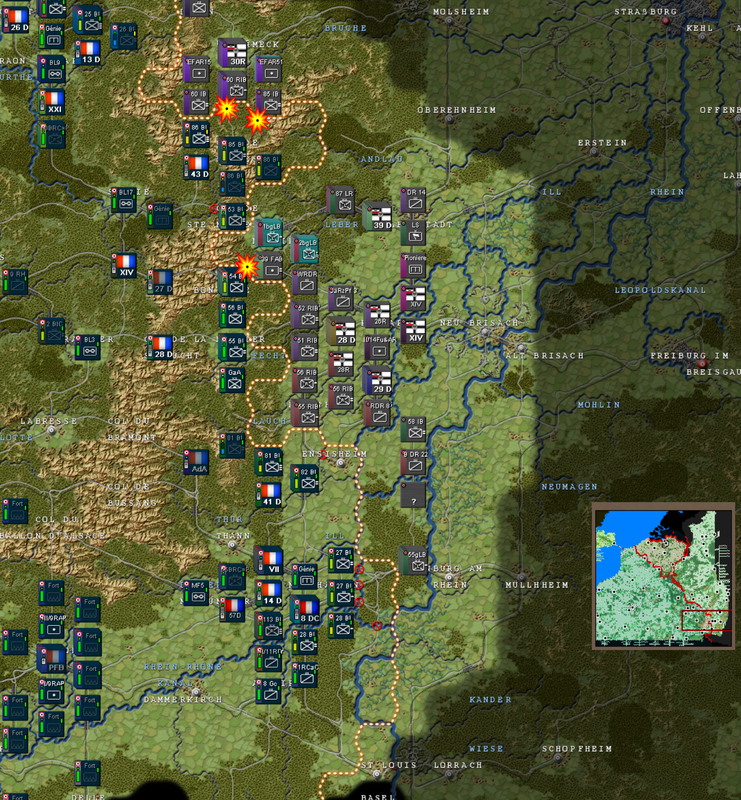
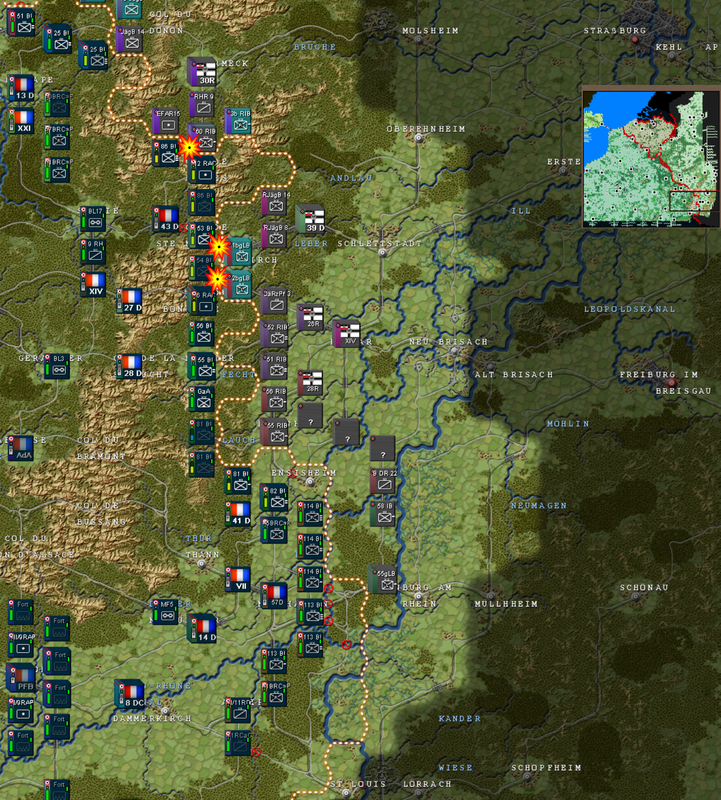
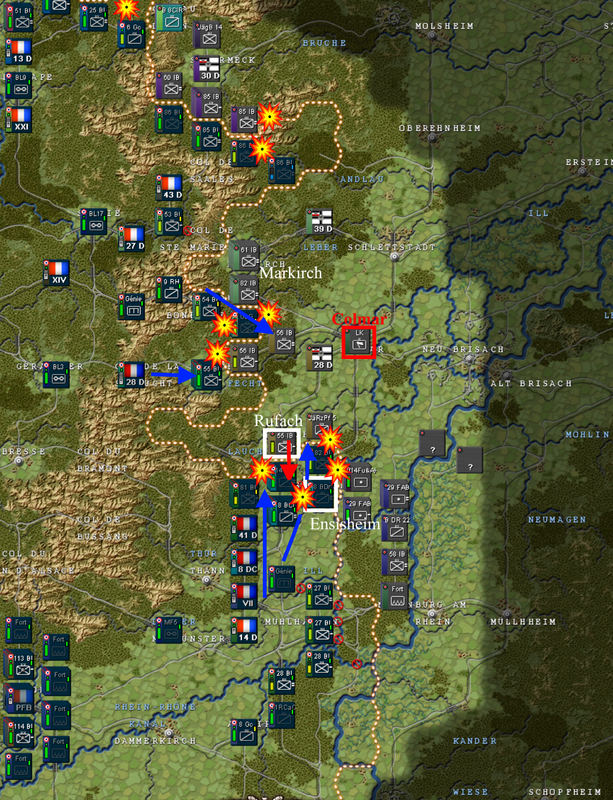 81. Brigade d'infanterie
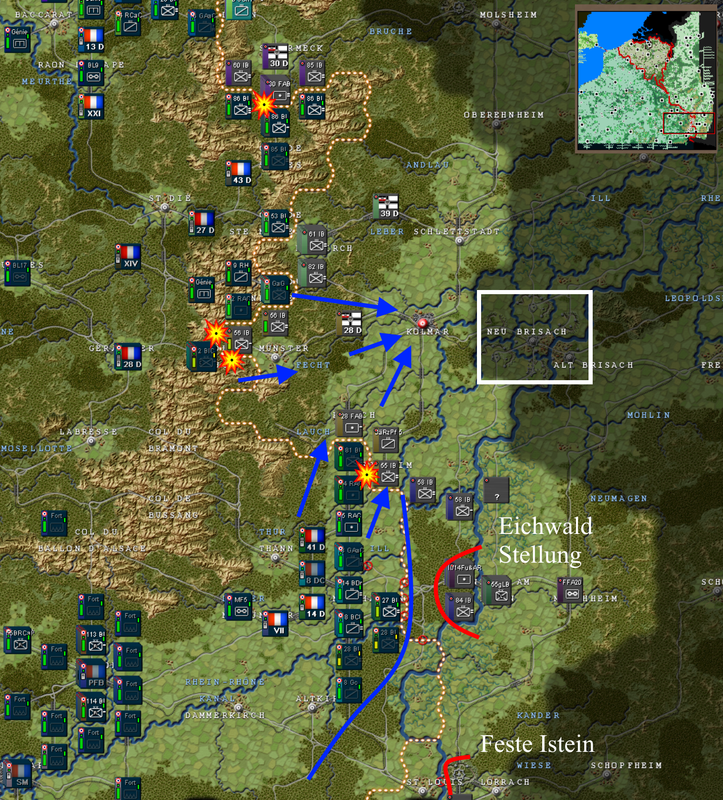
 was caught off guard by a German counter attack and suffered heavy losses, especially since German artillery is occupying the right bank of the river Ill. Thankfully
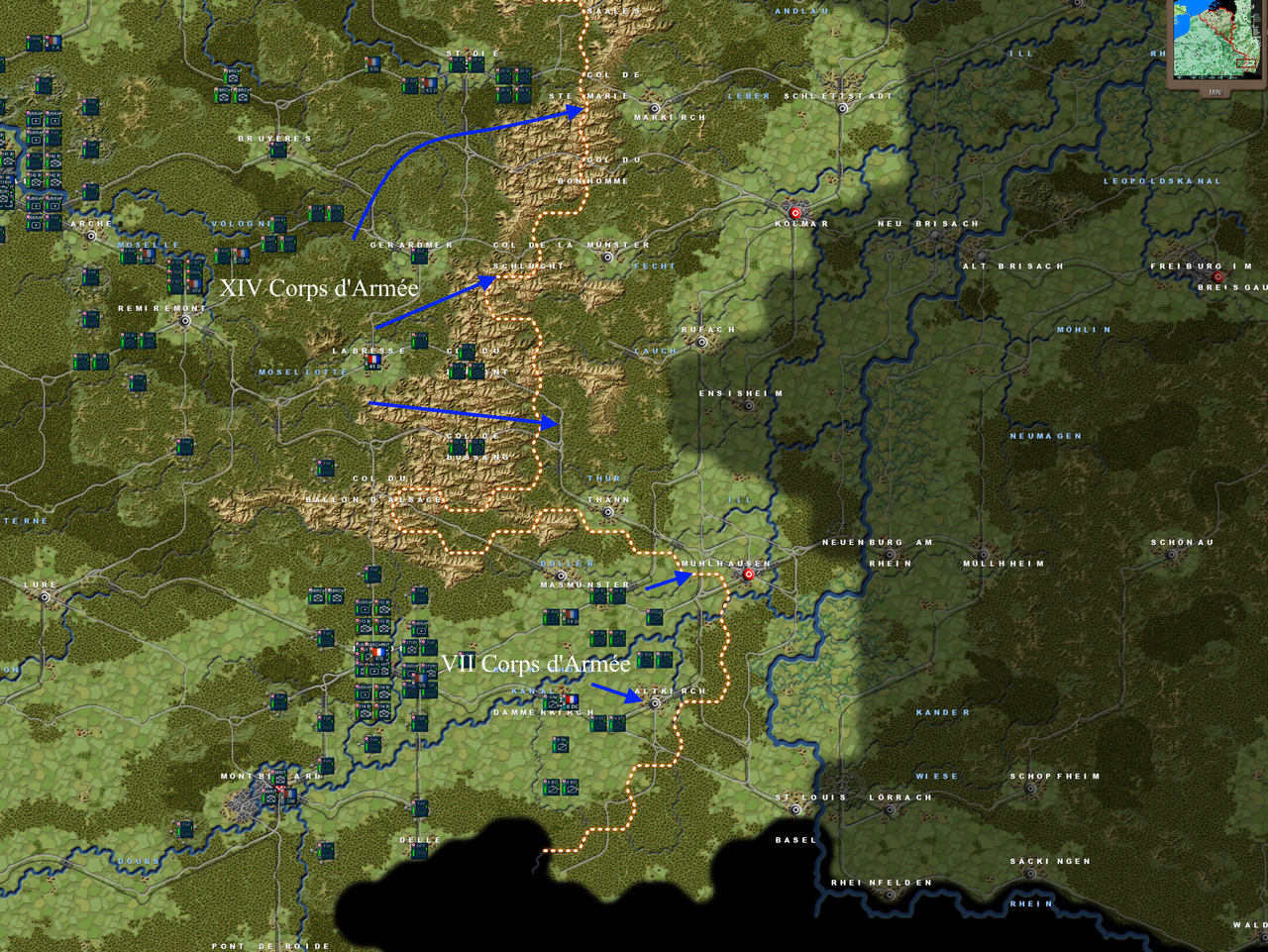
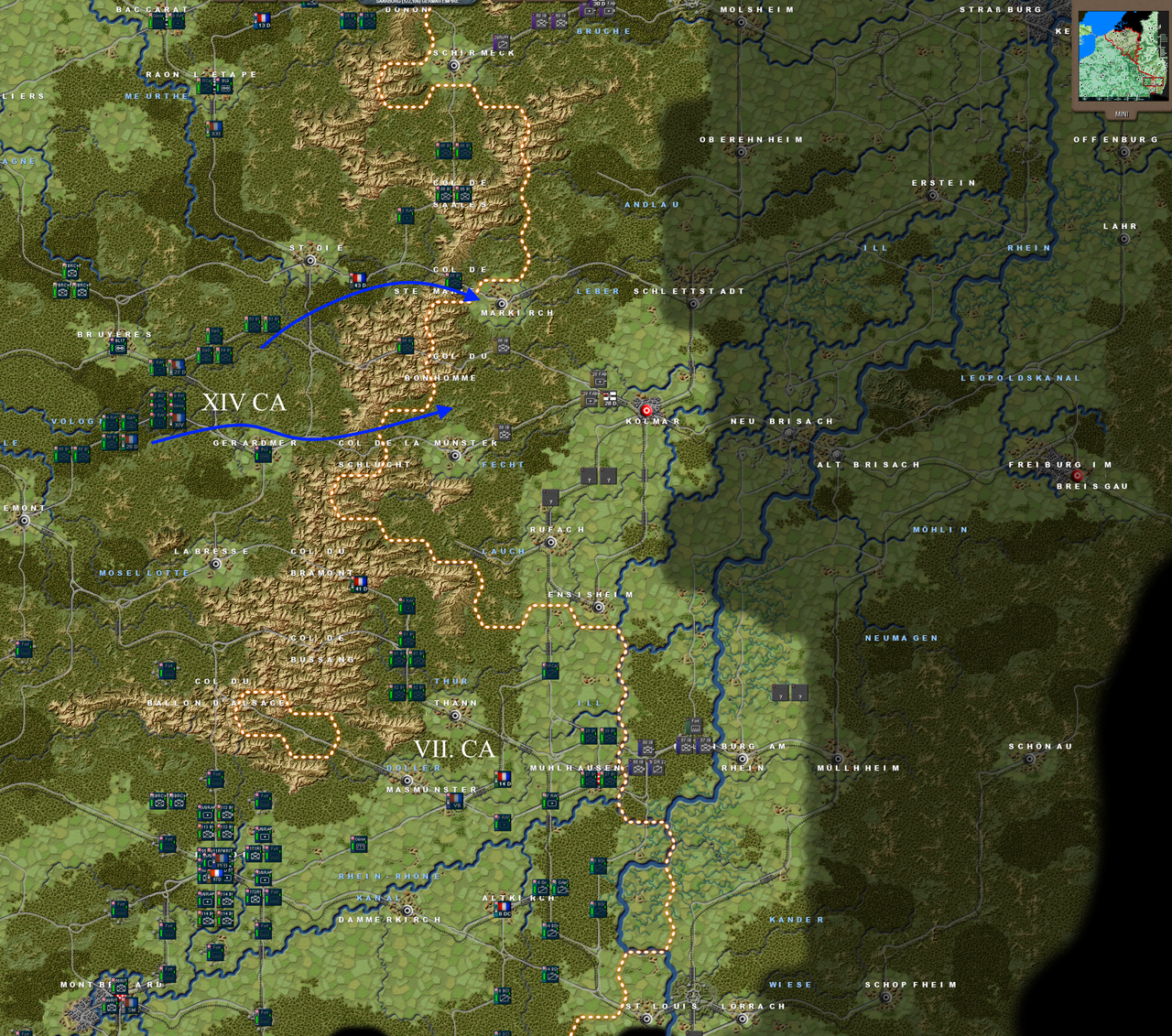
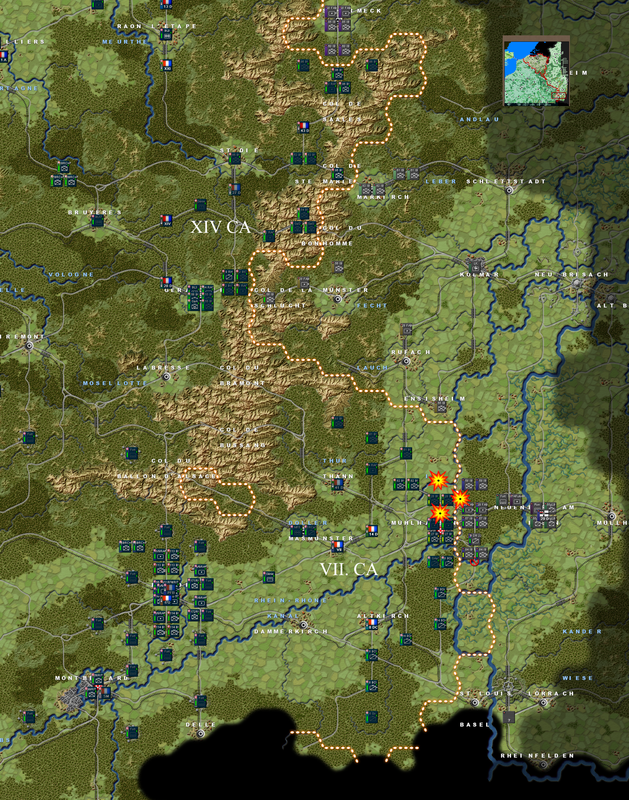
82. BI with artillery support stormed Ensisheim and pushed the Germans back. Louis Bonneau is worried he doesn't have the troops to dislodge the German artillery and asks for reserves to come quickly to be able to push on. The good news is that the
chasseurs alpins of Grenoble and Draguignan managed to advance and put pressure on the German 28th Division.
In other news:
- The second stage of mobilization is coming to an end, we expect reserve units to start be ready tomorrow 10. August and our railroad transport capabilities to free up for redeployment of our units.
- General Paul Pau is rumored to have been recalled from retirement and to be traveling east from Paris to take over a new army in Alsace to coordinate the offensive towards Colmar. This would allow
1. Armée to concentrate on the Battle of the Vezouze.
Conclusion:
Heavy casualties due to artillery seems to be defining the initial battles, although the Bavarian cavalry is making the case that cavalry is in fact not obsolete. Rising casualty numbers worry the GQG though, for Joffre did not intend to commit reserve divisions to active frontlines immediately. Calls from his army commanders, like Sarrail, are mounting to mitigate losses and replace active divisions on quiet frontlines with the reserves: they may experience the steel thunderstorm of artillery rather sooner than later.