PaxMondo wrote: Thu Sep 10, 2026 5:42 pm
RedConkristador wrote: Thu Sep 10, 2026 4:33 pm
Regarding refining: Japan operated the not-so-random Sixth Naval Fuel Depot (Dai-Roku Kaigun Nenryō-shō) at Takao (Kaohsiung), with synthetic facilities at Shinchiku. It is thoroughly documented in the post-war U.S. Strategic Bombing Survey (USSBS Report No. 64) and later formed the core of the post-war CPC Kaohsiung refinery. Because full operations began in 1942, starting the points damaged accurately models that construction and commissioning lag within the game engine.
Distributing refinery capacity to naval depots like Tokuyama and Takao rather than grouping it in commercial hubs like Tokyo reflects historical fleet support infrastructure while giving players authentic logistical trade-offs.
Ok, wow. So Kaohsiung, modern day Kaohsiung City, is Hengchun on our WitP map (southern most tip of the island). Shinchiku is now modern day Hsinchu which is SE of Taipei, a little ways SE from Taoyuan. Yes, there was an
experimental sugar-cane gasification unit there, of which many liters of almost AvGas quality fuel were in fact made before it was annihilated in an air raid on 17 October 44. It never achieved anything like "operations". While this unit was targeted and hit during the raid, the primary targets of the raid were the air base there (not explicitly on our game map, but contained with the Taihoku hex) and more likely the large LPG turbine Electrical generating plant which supplied the entire area with electricity.
Refining and depots are not the same, they are discrete items because depots are very easily targeted and destroyed, but also very quick to be re-built. Refineries, are not as easy to hit, but the repairs are lengthy and costly. Generally speaking, war economies want to separate these as much as possible. Even commercially, due to fire hazards, these are generally separated by a mile at least. Using Baytown as a good example, the refinery is inland a bit to isolate it from Hurricane storm surge. The initial Tank Farm is about 1/2 mile away towards the coast. The on/off loading stations are situated off the coast about 1 mile into the seaway (there are a whole string of them).
https://www.alamy.com/stock-photo/baytown-refinery.html gives you some idea about this ...
I'm dropping out of this as I don't have anything else to contribute. Again, your mod as you choose. No reply necessary.

I just want to put these claims to rest once and for all. No reply necessary of course! Unless you think you have something further to contribute.
 What was the Imperial Japanese Navy Sixth Naval Fuel Depot?
Located in Takao, authorized by the 5th Naval Armaments Supplement Program, and formally organized in April, 1941, it was intended to be a forward deployed refining facility to support naval and aviation operations. Construction started in 1943 and the first facility came online in mid 1944. Since you like links, this is directly from the
Reports of the U.S. Naval Technical Mission to Japan
The Navy had three refineries, e 17,000 bbl/ day plent at YOKKAICHI (The Second Naval Depot) , a 9500 bbl/day. unit 8t TOKUYAMA (The Third Naval Fuel Depot), and a unit at Formosa (The Sixth N eval Fuel Depot). X-38(N)-10 Japanese Fuels and Lubricants-Article 10, Miscellaneous Oil Technologyand Refining Installations
According to the attached report
(Industrial space research from the Sixth Naval Fuel Plant Headquarters to the Chinese Petroleum Corporation Kaohsiung Oil Refinery (1942-1954)), the core mission of the depot was refining heavy fuel oil for naval vessels. Even though it never reached its planned capacity, naval fuel was the single largest volume product generated by the depot.
What was its capabilities and capacity?
The Refining Division, located adjacent to Takao Naval Base, had the capability for atmospheric and vacuum crude distillation, thermal cracking, leaded blending, and fuel oil bunkering. It was planned to support approximately 17,200 bbl/day but never reached this capacity because of Allied shipping interdiction.
In game terms, it could have anywhere from 150 to 250 refinery points, while it's actual historical output never reached 50 to 80 points.
How did Japan use the facility?
The facility was part of the Hi Convoys network; convoys operating between Singapore, Balikpapen, and the Home Islands used Takao as a staging and replenishment port.
What happened to the facility after the war?
The Republic of China took control of the facility and it became part of the Chinese Petroleum Corporation. It was closed in 2015. Some of the depot's administrative buildings became historical landmarks, including the Mount Banpingshan Underground Tunnels (a late war effort to protect refining infrastructure from Allied attacks).
What WITPAE engine limitations affect the inclusion of this facility in CRS?
WITPAE does not differentiate between different types of fuels or internal ownership of refineries (civilian vs naval vs army, for example). It also does not allow the construction of new facilities where none exist. This is actually a very interesting oversight in the design of the game, given its scope and the amount of detail concentrated on tactical and technical aspects. Therefore, the only way to model strategic decisions such as establishing forward depots is to have them present (damaged) at the start of the game, and allow the player to decide if it's worth repairing.
Allied aerial reconnaissance photograph of the 6th Naval Fuel Depot's Refining Division, including distillation and refining blocks
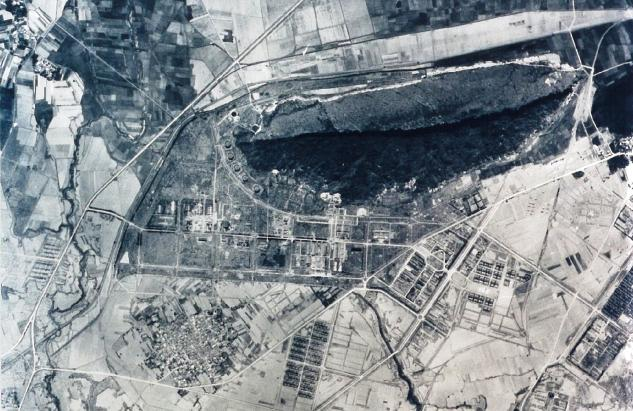
- aerial.png (501.08 KiB) Viewed 237 times
Here's same location today.

- today.png (644.49 KiB) Viewed 234 times
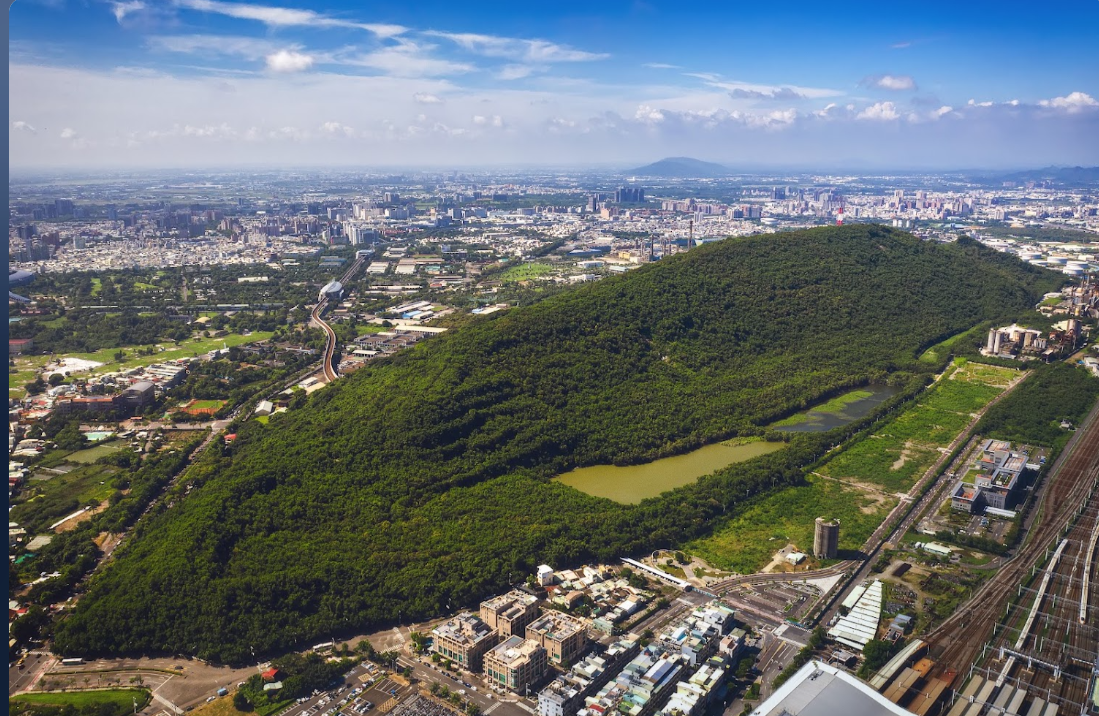
- Screenshot 2026-09-14 224723.png (1.58 MiB) Viewed 234 times
Like you said - it's my mod, so my choice. Hope that clarifies things.



 my
my